


Water damage is a homeowner’s worst nightmare, especially in a coastal environment like Melbourne, Florida. Whether it is a burst pipe in the middle of the night, a leaking appliance, or the aftermath of a sudden Florida thunderstorm, the clock starts ticking the moment moisture hits your floors. The first 24 to 48 hours are critical for preventing permanent structural damage and the inevitable growth of mold.
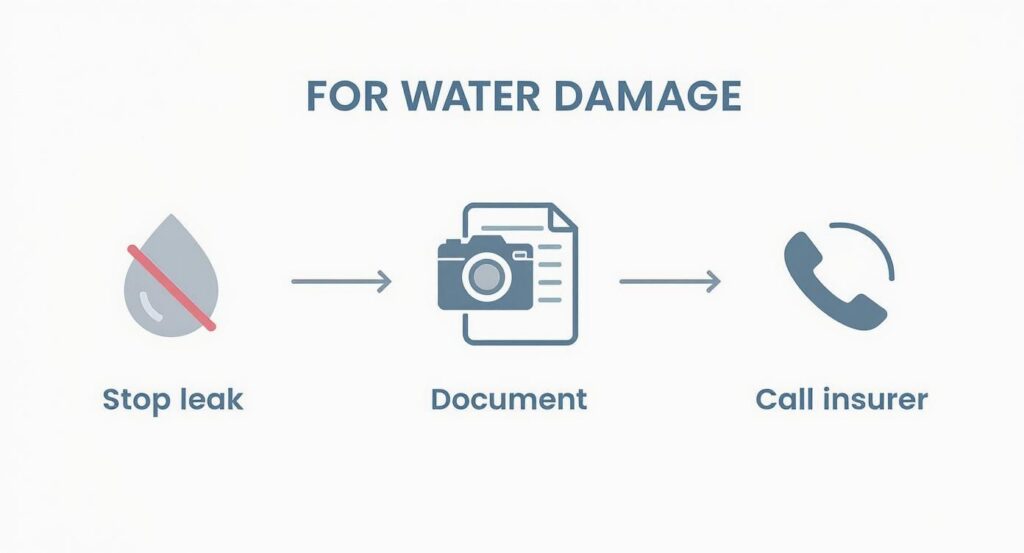
However, in the chaos of a flooded living room or a soaking wet office, most people panic. They make quick decisions that can lead to denied insurance claims, increased repair costs, or safety hazards.
This guide is designed to provide clarity during a crisis. We will walk you through exactly who to call first, the specific steps to take for property owners in Brevard County, and most importantly, the critical mistakes you must avoid to protect your investment.
The First 48 Hours: Why Immediate Action is Non-Negotiable
In Melbourne, our humidity levels are naturally high. When you introduce standing water into an indoor environment, the air becomes saturated. Materials like drywall, baseboards, and hardwood floors act like sponges. Within hours, wooden furniture can begin to swell and crack. Within a day, the glue in your carpet padding can begin to dissolve.
Read Also: Can Mold Grow in 24 to 48 Hours in Florida’s Humidity? (Melbourne Case Study)
More importantly, mold spores exist naturally everywhere. All they need to colonize is a food source (like your drywall) and moisture. In the Florida heat, mold can begin to grow in as little as 24 hours. This is why waiting until Monday is never an option for water damage.
Who to Call First: The Priority List
When you realize your property is taking on water, your phone is your most important tool. But who do you dial first? The order of these calls can significantly impact the speed of your recovery.
1. The Source Fixer: A Licensed Plumber
If the water is coming from inside the house (a burst pipe, a water heater failure, or a toilet overflow), your very first call must be to a plumber. A restoration company can dry the water, but they cannot fix the pipe that caused it.
Before you even dial, locate your main water shut-off valve. In many Melbourne homes, this is located near the street or where the main line enters the house. Turn it clockwise to stop the flow. Once the “bleeding” has stopped, get a plumber on-site to perform the necessary repairs. Keep the receipts and the faulty parts, as your insurance company may want to see them.
2. The Restoration Experts: PuroClean of Melbourne
Once the source is controlled, your second call should be to a professional restoration company like PuroClean of Melbourne at (321) 378-2400.
A common misconception is that you should call your insurance company first. While you do need to notify them, calling a restoration professional first is often more beneficial. Why? Because the insurance company’s primary goal is to mitigate the loss. By getting a certified team on-site immediately to start extraction and drying, you are fulfilling your policy’s requirement to prevent further damage. We provide the documentation and moisture readings that your adjuster will need to process your claim accurately.
3. Your Insurance Agent or Carrier
Once the plumber is on the way and the restoration team is mobilized, notify your insurance company. Inform them that you have an active water loss and that you have already contacted professionals to begin mitigation.
What NOT to Do: The Most Common Water Damage Mistakes
In our years of serving the Melbourne and Palm Bay area, we have seen well-meaning homeowners accidentally make their situation much worse. Here is what you should avoid at all costs.
Do NOT Use a Standard Vacuum
Never use your household vacuum cleaner to suck up water. These machines are not designed for liquids. You risk a fatal electric shock, and you will almost certainly destroy the vacuum’s motor. Only professional grade wet-vacs and industrial extractors should be used.
Do NOT Turn on the HVAC System
If the water damage is extensive or if it involves a Category 3 source (sewage or groundwater), do not turn on your air conditioning or heating. Your HVAC system can spread contaminants or mold spores throughout the entire house via the ductwork. Wait for a professional to clear the air quality first.
Do NOT Wait to Document
Do not start throwing away damaged items before taking photos. Even if a rug is ruined and smells like sewage, the insurance company needs proof of its existence and condition to reimburse you. Take photos and videos of everything: the source of the leak, the standing water, and every affected personal item.
Do NOT Enter Rooms with Sagging Ceilings
Water is incredibly heavy. If you see a bubble in your ceiling or notice it sagging, do not walk under it. The drywall could collapse at any second, leading to serious injury.
Do NOT Assume it is Dry Just Because it Feels Dry
This is perhaps the most dangerous mistake. Surface dry is not the same as structurally dry. Water often seeps behind baseboards and into the wall cavities. If you stop the drying process too early because the carpet feels dry to the touch, you are virtually guaranteeing a mold problem inside your walls three weeks later. Professionals use moisture meters and infrared cameras to ensure the hidden areas are completely dry.
The PuroClean Process: How We Restore Your Peace of Mind
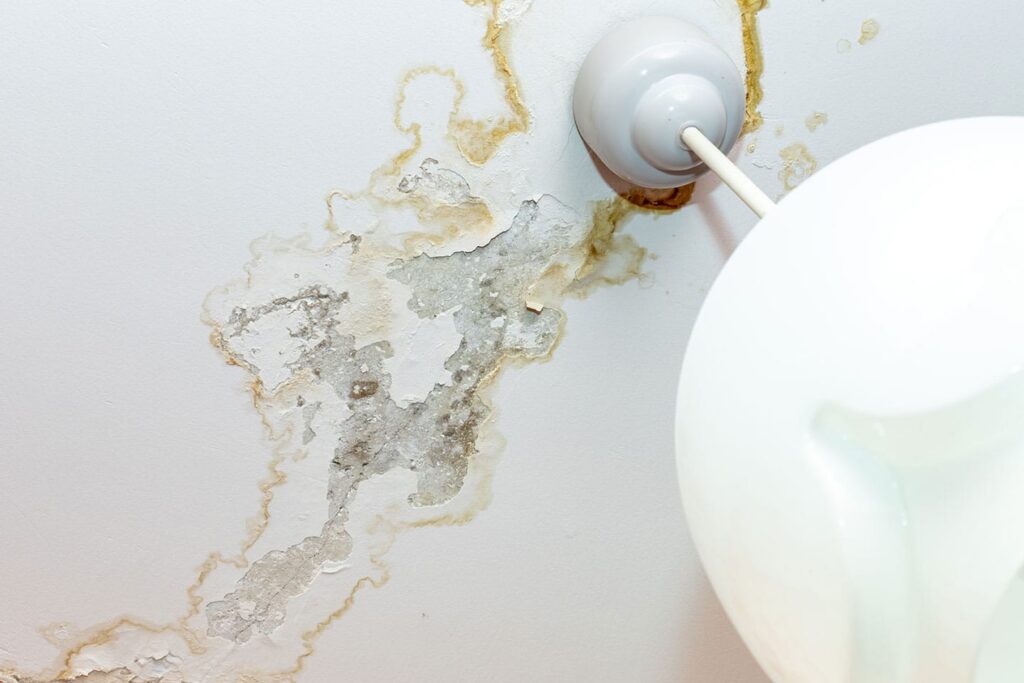
When you call PuroClean of Melbourne, you are not just getting a crew with fans. You are getting a systematic, scientific approach to property recovery.
Step 1: Inspection and Assessment
We use advanced thermal imaging to find water tucked away in places the human eye cannot see. We categorize the water (Category 1: Clean, Category 2: Gray, or Category 3: Black) to determine the necessary safety protocols.
Step 2: Water Removal
Our high powered extraction equipment removes the bulk of the water. This is the most critical step because mechanical removal of water is much faster than evaporative drying.
Step 3: Drying and Dehumidification
We strategically place industrial air movers and LGR (Low Grain Refrigerant) dehumidifiers. These machines pull the moisture out of the air and the building materials, preventing mold and secondary damage.
Step 4: Cleaning and Sanitizing
Water damage often brings odors and bacteria. We use professional grade antimicrobial treatments to ensure your home is not just dry, but healthy.
Step 5: Monitoring
We do not just set it and forget it. Our technicians return daily to take moisture readings and adjust the equipment as needed to ensure the fastest possible drying time.
Why Melbourne Residents Trust PuroClean
We live and work right here in Brevard County. We understand the local architecture, from the stucco homes in Viera to the waterfront properties in Melbourne Beach. When you call us, you are talking to neighbors who are committed to bringing your property back to pre-loss condition as quickly as possible.
Read Also: How to File a Water Damage Insurance Claim in Melbourne, FL (Step-by-Step)
We are available 24 hours a day, 7 days a week. Whether it is 2 AM on a Tuesday or mid-day on Christmas, we are ready to respond.
Final Thoughts: Staying Calm in the Storm
Water damage is overwhelming, but it is manageable when you have the right team behind you. Remember the sequence: Stop the water, call the restoration experts, and then call your insurance. By avoiding the common pitfalls of DIY drying and waiting it out, you can save your home from long term structural issues and health risks.
If you are facing water, fire, or mold damage in Melbourne, Florida, do not wait. Call PuroClean of Melbourne at (321) 378-2400. We are here to help you navigate the process from the first drop of water to the final walkthrough.

Connect With Us on Social Media!
Instagram | Facebook | Direction | Check Reviews | Yelp