 PuroClean of Coral Gables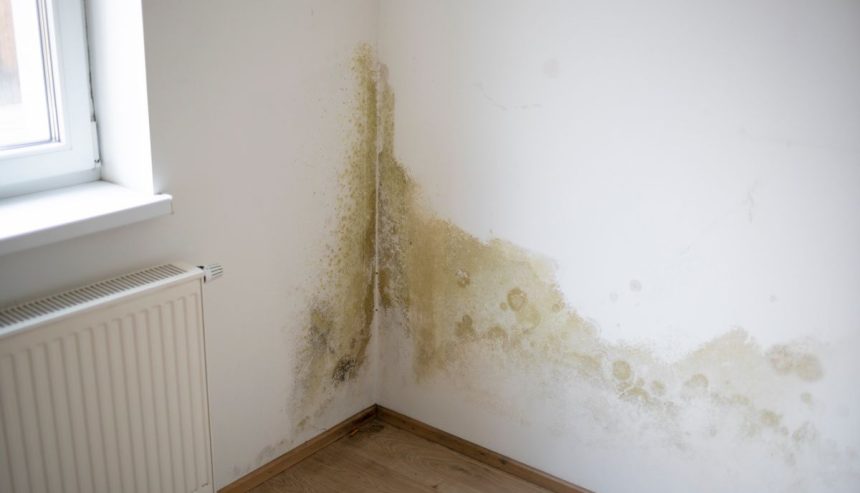
Table of Contents
Yes, Water cause mold. Moisture is the essential trigger for mold growth. Within 24–48 hours, mold can begin to develop on porous materials like wood, drywall, and insulation. A rapid response with drying and remediation can stop mold in its tracks, protecting both your health and your property. In this article, we’ll explain why water causes mold, how quickly it happens, signs to look out for, common causes, prevention tips, and when to call in professionals like PuroClean of Coral Gables.
Why Water Cause Mold: The Science Explained
Mold spores are everywhere around us. They are microscopic, invisible to the naked eye, and float through both indoor and outdoor air. On their own, spores don’t necessarily cause harm. They only become a problem when they land on a damp surface.
This is why water plays such a critical role. Mold needs three main ingredients to grow: spores, food, and moisture. Food sources are easy to find in most homes, wood, drywall, paper, fabric, or carpet all serve as perfect meals for mold. Spores are always present. The deciding factor is water. Without water, spores remain dormant. Add water or high humidity, and mold growth begins.
This is why controlling moisture is the foundation of mold prevention. A leak, spill, or even consistently high humidity levels indoors can set the stage for mold. Once it begins, mold can spread rapidly, damaging property and affecting air quality.
How Fast Does Mold Appear After Water Exposure?
One of the most surprising facts about water and mold is how quickly growth can begin. Under the right conditions, mold can start within 24 to 48 hours after water exposure. That means a small leak left unattended for even a day or two could turn into a much bigger issue.
Warm, humid climates like Coral Gables make the process even faster. The combination of high temperatures and natural humidity creates the perfect environment for spores to multiply. Homeowners in South Florida must be especially vigilant.
This is why fast action is so important. The longer water sits, the more likely mold becomes established. Drying quickly and thoroughly is your best defense.
Signs That Water Has Caused Mold
Knowing how to spot early warning signs can help you stop mold before it spreads. Here are the most common indicators:
- Musty odors: A persistent earthy or damp smell is often the very first clue that mold is present.
- Visible growth: Dark spots, green patches, or fuzzy streaks on walls, ceilings, or furniture.
- Discoloration or stains: Yellowing, browning, or unusual marks on drywall, paint, or wood.
- Warping or bubbling: Water damage can make surfaces swell, peel, or crack, often signaling mold behind the scenes.
- Health symptoms: Increased coughing, sneezing, or breathing difficulties, particularly in individuals with allergies or asthma.
If you notice any of these signs after water exposure, it’s likely that it has already caused mold.
Common Situations Where Water Cause Mold
Mold can develop in many different scenarios where water is present. Some of the most common causes include:
- Plumbing leaks: Slow drips under sinks, behind walls, or from toilets often go unnoticed until mold takes hold.
- Roof damage: Even small roof leaks can introduce water into ceilings and attic spaces, where mold thrives unseen.
- Flooding or storm damage: South Florida residents know how quickly floodwaters can enter a property, leaving behind saturated floors and walls.
- High humidity: Indoor humidity above 60% encourages condensation, which feeds mold. Bathrooms, kitchens, and laundry areas are especially vulnerable.
- Condensation: Poor insulation or ventilation allows the droplets to form on walls, windows, and pipes.
Everyday household activities like cooking, showering, or drying clothes indoors can also raise moisture levels enough to allow mold growth if ventilation is poor.
Prevention: How to Stop Water from Causing Mold
Preventing mold is all about controlling moisture. Here are proven strategies every homeowner should follow:
- Act fast after water exposure: Dry within 24 hours. The faster you respond, the less chance mold has to grow.
- Fix leaks promptly: Whether it’s a roof, pipe, or appliance, don’t put off repairs. Even minor drips create major mold problems over time.
- Control humidity: Keep indoor humidity between 30–50%. Use dehumidifiers, run air conditioning, and turn on exhaust fans in kitchens and bathrooms.
- Ventilate: Good airflow helps moisture evaporate. Open windows when weather allows, and make sure attics and crawlspaces are properly vented.
- Check hidden areas: Inspect basements, attics, and under sinks regularly. Catching the damage early is the key to prevention.
- Insulate surfaces: Insulation reduces condensation on cold walls, pipes, and windows.
- Use professionals for serious damage: Experts have industrial fans, moisture meters, and advanced tools to make sure everything is truly dry.
By making these practices part of your routine, you significantly reduce the chances of it leading to mold.
What Happens When Water Causes Mold?
If left untreated and mold begins to grow, the consequences go beyond just appearances.
- Health risks: Mold exposure can aggravate asthma, cause allergy symptoms, and irritate the eyes, nose, and throat. Long-term exposure can lead to more serious respiratory issues.
- Structural damage: Mold feeds on organic building materials like wood and drywall. Over time, it can weaken the integrity of your property.
- Decreased property value: A mold infestation makes selling a home difficult, and remediation costs can be high.
- Higher repair costs: Fixing a small leak is inexpensive. Repairing widespread mold damage is not.
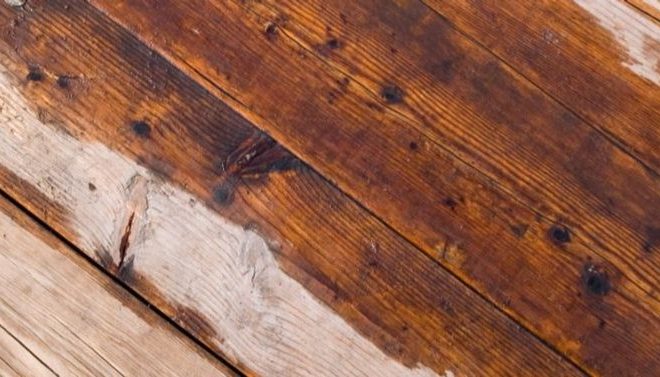
Ignoring mold only makes the situation worse.
FAQs: Does Water Cause Mold?
Q1: Does it Cause Mold even if cleanup is quick?
If water is completely dried within 24 hours, mold growth is much less likely. However, if moisture seeps into walls or flooring where it can’t be seen, mold can still develop.
Q2: Can humidity alone cause mold?
Yes. High indoor humidity creates condensation, which feeds mold just as effectively as a leak. That’s why controlling humidity is essential.
Q3: How fast does mold really grow?
In warm, humid climates like South Florida, mold can begin growing in as little as 24 hours. Within days, visible colonies may appear.
Q4: Can I clean mold myself?
Small surface spots can sometimes be cleaned with household solutions. However, large infestations or hidden mold behind walls should always be handled by professionals to ensure safety and complete removal.
Q5: If it dries, does mold go away on its own?
No. Drying stops mold from spreading, but colonies that already exist remain in place. They can become active again if moisture returns.
Final Summary
So, does water cause mold? Absolutely. It cause mold almost every time if not dealt with quickly. Moisture is the deciding factor between harmless spores and a damaging mold problem. Within 24 to 48 hours, growth can begin, and without proper drying and remediation, mold can spread throughout your property.
The bottom line: fix leaks immediately, dry out the damage thoroughly, and don’t ignore the signs of mold. Prevention is always less costly than remediation.
Call the Experts: PuroClean of Coral Gables
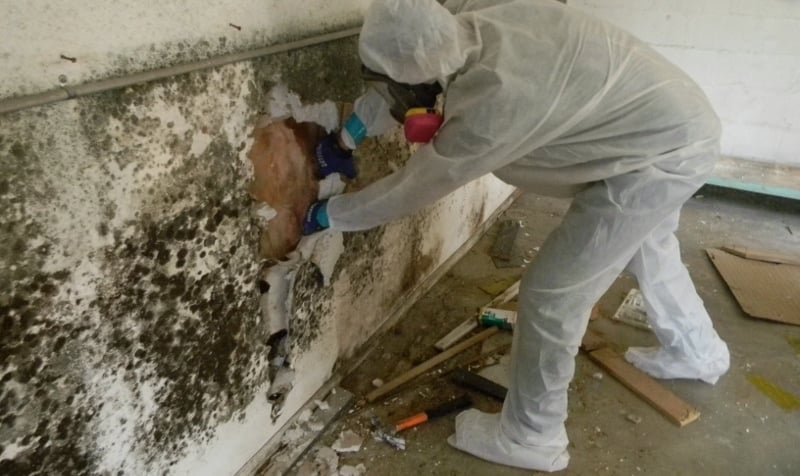
If you suspect that it has caused mold in your home, don’t wait. Mold grows fast, spreads quickly, and poses serious risks. PuroClean of Coral Gables specializes in mold remediation and damage restoration.
Our certified team responds quickly, using advanced drying technology and proven mold removal methods to restore your home safely. We don’t just clean the surface, we find the source, eliminate moisture, and ensure your home is fully protected.
Protect your property and your health. Call PuroClean of Coral Gables today at (305) 894-4343 for professional mold remediation and water damage services.



 PuroClean of Coral Gables