


Table of Contents
Mold allergy symptoms can sneak up on you like a silent invader wreaking havoc on your immune system. But knowing what to watch for and when to seek help empowers you to act fast.
Why It Matters
It’s not just seasonal sniffles. Mold allergies can lead to asthma attacks, chronic sinusitis, and skin irritation. Indoor mold exposure, especially when moisture is present, can trigger year-round reactions. Being proactive helps protect your health and home.
Common Signs of Mold Allergy
1. Upper Respiratory Symptoms
- Sneezing, runny or stuffy nose, and postnasal drip are frequent with mold allergy exposure.
- Itchy or watery eyes, throat irritation, and mild coughing are also classic signs .
2. Skin Reactions
Some suffer itchy, scaly skin or rashes, especially after touching moldy surfaces .
3. Asthma and Lung Issues
Mold allergy symptoms in asthma sufferers can escalate to wheezing, shortness of breath, chest tightness, and persistent coughing. Severe reactions like allergic bronchopulmonary aspergillosis can occur with certain molds (e.g., Aspergillus).
4. Year-Round or Seasonal
Although outdoor mold peaks in late summer and fall, indoor mold can cause mold allergy symptoms throughout the year, especially in humid climates.
Why You Get Symptoms
Immune System Overreaction
Your body treats mold spores as intruders, triggering the release of histamines, which cause sneezing, itching, and congestion.
Hidden Mold Sources
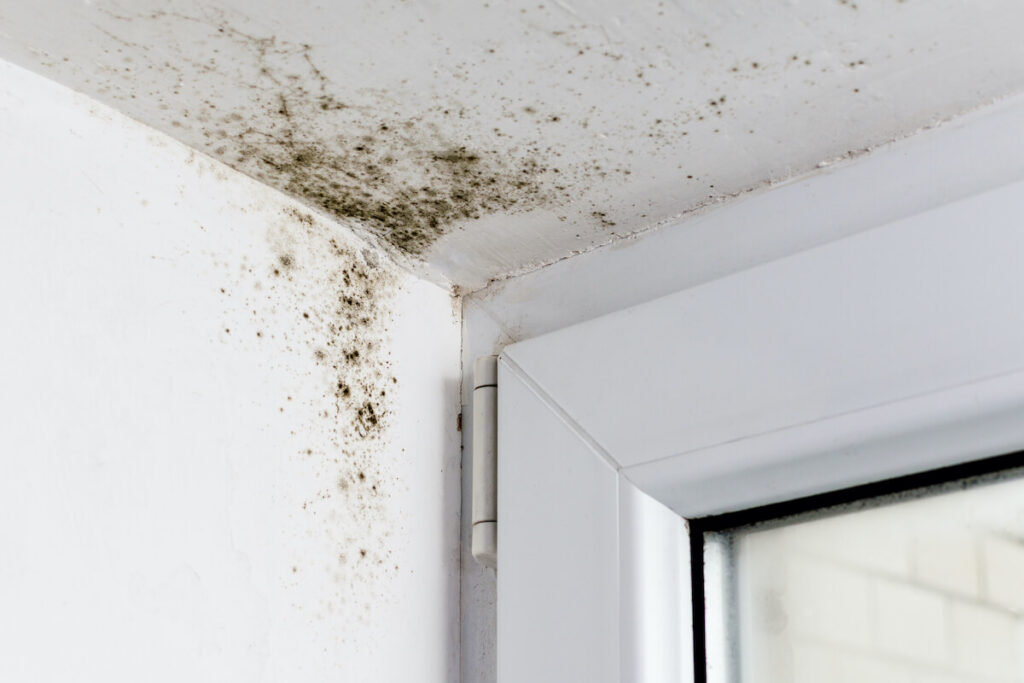
Basements, bathrooms, laundry areas, and HVAC systems are common safe havens for mold growth. Disturbing these surfaces releases spores into the air.
Risk Factors
You’re more likely to react if you have:
- A history of allergies or asthma
- Chronic sinus or lung conditions
- Humid home environments (>50% humidity)
- Jobs with mold exposure (e.g., farming, baking).
Diagnosis: Identifying the Culprit
Allergist Testing
- Skin-prick tests quickly identify mold-specific reactions.
- Blood tests (IgE) help confirm suspicion if skin tests aren’t viable .
Symptom Journaling
Note where and when mold allergy symptoms flare—like in your basement or garden—to spot living mold sources.
Treatment Options
1. Reduce Exposure
- Keep indoor humidity below 50% with dehumidifiers and ventilation.
- Promptly fix leaks, clean moldy surfaces, and use HEPA filters in HVAC systems.
2. Medications
OTC and prescription options include:
- Antihistamines for itching and sneezing
- Nasal corticosteroid sprays for congestion
- Bronchodilators for asthma-like symptoms.
3. Immunotherapy
Allergy shots or SLIT (sublingual tablets) gradually build tolerance to mold allergens .
4. Severe Cases
Rare conditions like allergic bronchopulmonary aspergillosis or hypersensitivity pneumonitis may require specialist care, steroids, or antifungal therapies.
Prevention Tips
| Strategy | Why It Helps |
|---|---|
| Dehumidify & ventilate | Mold thrives in humidity >50% |
| Clean spills & leaks quickly | Stops growth before it starts |
| Use exhaust fans in bathrooms/kitchens | Clears moisture-rich air |
| Remove moldy items promptly | Avoids spore release |
| Run HVAC with HEPA filters | Traps airborne mold |
| Test if symptoms persist | Identifies mold as the cause |
When to See a Doctor
- Symptoms persist beyond 2 weeks or are getting worse
- Difficulty breathing, wheezing, or chest tightness
- High fever, green nasal discharge, or sinus pain
- Triggers asthma attacks
Early medical intervention avoids complications and helps you regain control.
FAQs
Q: How do mold allergy symptoms differ from a cold?
A: Mold allergy symptoms can causes itching, sneezing, and clear mucus. Colds often come with fever, colored mucus, and sore throat.
Q: Are mold allergies seasonal?
A: Outdoor molds peak late summer–fall; indoor mold exposure is year-round in humid homes.
Q: Can mold allergies trigger asthma?
A: Yes, mold spores can induce asthma symptoms like wheezing and shortness of breath.
Q: Can children get mold allergy symptoms?
A: Absolutely. Kids often show sniffles, cough, and breathing difficulties. Persistent symptoms should be assessed by a pediatric allergist .
Q: Does black mold make symptoms worse than other molds?
A: Symptoms are similar, sneezing, coughing, itchy eyes—though exposure to mycotoxins from black mold can worsen irritation.
Conclusion + Summary
Mold allergy symptoms like sneezing, congestion, itching, asthma flares, and even skin rashes are more than just seasonal nuisances. They can reflect serious immune reactions to indoor or outdoor mold. If symptoms persist, seek testing and treatment. Use dehumidifiers, quick cleanup, medical treatments, and consider immunotherapy. For severe or persistent mold issues, professional mold remediation is your next safe step.
PuroClean of Coral Gables offers expert mold remediation services. We locate and remove mold safely, restore your indoor air quality, and help you regain peace of mind. Call us today on (305) 894-4343.