 PuroClean of Coral Gables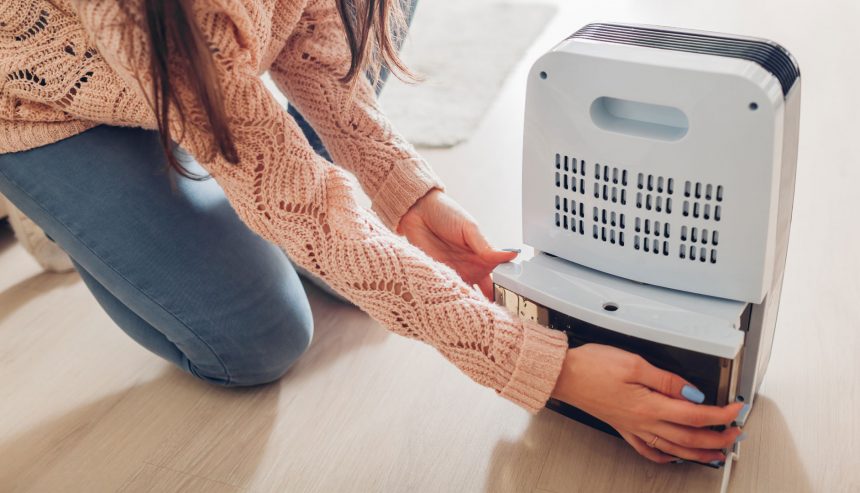
Table of Contents
A dehumidifier is an essential tool after water damage because it removes hidden moisture from the air and materials, accelerates drying, prevents mold growth, and protects your home from long-term structural damage. While air movers or fans can circulate air, they cannot remove the moisture trapped inside walls, flooring, or insulation. This guide explains how dehumidifiers work, why they are critical after water intrusion, the science of structural drying, and when professional restoration is necessary. By the end, you’ll understand why a dehumidifier is more than just a machine — it’s a safeguard for your home and health.
Why a Dehumidifier Matters After Water Damage
When your home experiences water intrusion — whether from flooding, a burst pipe, leaking appliances, or a roof leak — the visible water is only part of the problem. Moisture quickly penetrates porous materials such as drywall, wood framing, insulation, carpets, and flooring. Even if surfaces appear dry, water may remain trapped deep within, creating an environment where mold can grow and structural components can weaken.
A dehumidifier for water damage is designed to remove that hidden moisture from both the air and the building materials. It lowers humidity and extracts water vapor continuously, preventing mold, odors, and structural decay. Without proper dehumidification, even minor leaks can lead to major problems over time.
Many homeowners assume that opening windows, running fans, or using a small portable dehumidifier is enough. In reality, effective drying after water damage requires professional-grade equipment and techniques designed to reach hidden moisture in walls, flooring, and other materials.
The Science Behind Dehumidification
A dehumidifier works by drawing in humid air, removing the moisture, and releasing dry air back into the room. There are two main types of dehumidifiers commonly used in water damage restoration:
1. Refrigerant (Coil-Based) Dehumidifiers
These units pull air over cooled coils, causing moisture to condense and collect in a tank or drain. Refrigerant dehumidifiers are highly effective in warm, humid spaces and can remove significant amounts of water each day.
2. Desiccant Dehumidifiers
Desiccant units use a moisture-absorbing material such as silica gel to remove water from the air. They work well in cooler environments or for specialized drying tasks where traditional refrigerant units may be less effective.
Regardless of the type, the principle remains the same: extract moisture, lower humidity, accelerate drying, and prevent mold growth.
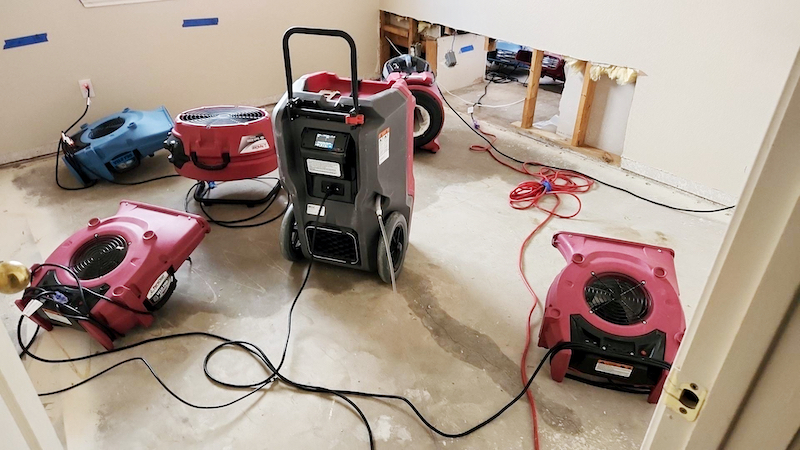
In professional water damage restoration, dehumidifiers are paired with air movers. While fans and air movers circulate air and speed evaporation, they do not remove moisture from the air itself. Without a dehumidifier, the humidity rises, slowing the drying process and increasing the risk of mold growth.
Why Air Movers Alone Are Not Enough
Many homeowners rely solely on fans or high-powered air movers to dry out water-damaged areas. Unfortunately, this method has major limitations:
- Fans only move air – They circulate moisture-laden air without actually removing water from the environment.
- Humidity remains high – Moist air can condense back onto surfaces or seep deeper into walls, subflooring, and insulation.
- Surface drying only – While the visible areas may appear dry, moisture can remain hidden, leading to mold and structural problems later.
For true structural drying, a combination of air movers and a professional dehumidifier for water damage is required. This approach ensures that water is removed both from surfaces and from the air, leaving the home fully dry and safe.
7 Powerful Reasons to Use a Dehumidifier for Water Damage
1. Prevent Mold Growth Early
Mold spores exist everywhere, but they only grow where moisture is present. After water damage, humidity levels often rise above the threshold that allows mold to develop. A dehumidifier removes that moisture, preventing mold growth before it starts. Mold can begin to grow in as little as 24–48 hours if left unchecked.
2. Protect Your Home’s Structure
Wood framing can warp, drywall can swell or crumble, and insulation can lose its effectiveness when exposed to excess moisture. Dehumidifiers help maintain proper humidity levels, keeping structural materials stable and reducing the risk of long-term damage.
3. Remove Hidden Moisture
Water often hides in areas you cannot see, such as inside walls, under baseboards, beneath carpeting, and inside insulation. A professional dehumidifier extracts moisture from these hidden areas, preventing secondary problems like mold or material decay.
4. Eliminate Lingering Musty Odors
Moisture promotes bacteria and mildew growth, leading to persistent musty smells. Dehumidifiers reduce humidity and remove water vapor, which not only helps materials dry but also improves indoor air quality and eliminates odors.
5. Accelerate Drying Time
Using a dehumidifier can dramatically reduce the time it takes to dry a water-damaged home. Faster drying minimizes disruption to daily life and helps prevent additional damage caused by prolonged moisture exposure.
6. Avoid Costly Repairs
Without proper drying, hidden moisture can lead to mold remediation, warped floors, drywall replacement, or even structural repairs weeks or months later. Using a dehumidifier early can save thousands of dollars in repair costs.
7. Maintain a Healthy Indoor Environment
Excess moisture encourages allergens, dust mites, and mold spores, which can trigger respiratory problems and allergies. Dehumidification helps maintain a safer, healthier living environment for your family.
How Long Should a Dehumidifier Run After Water Damage?
The duration depends on the severity of the water intrusion, the size of the affected area, and the materials involved:
- Minor leaks: 24–48 hours
- Moderate water damage: 3–5 days
- Major flooding: 5–7 days or longer
Professionals use moisture meters to monitor the progress and ensure that areas reach safe moisture levels. This method eliminates guesswork and ensures that drying is thorough and complete.
Signs Your Home Still Needs a Dehumidifier
Even if a room feels dry, hidden moisture may still be present. Watch for:
- A damp or musty smell
- Condensation on windows or walls
- Humidity above 55%
- Cold or clammy indoor air
- Warped floorboards or bubbling paint
- Soft or swollen drywall
If any of these signs appear, continued dehumidification is necessary.
Should You Use a Home Dehumidifier or Call a Professional?
Standard household dehumidifiers can help with minor humidity issues, but they are not sufficient for true water damage restoration. They lack:
- Capacity to remove deep moisture
- Continuous runtime for days
- Structural drying capabilities
- Moisture monitoring tools
For water that reaches flooring, drywall, or insulation, professional dehumidifiers are essential. They are designed to dry structures thoroughly and prevent secondary damage.
When to Call Water Damage Professionals
You should call restoration experts immediately if:
- Water reaches drywall, baseboards, or cabinets
- Carpets and padding are soaked
- You notice musty odors or visible mold
- Water intrusion is from a roof leak or major flood
- There is warping, bubbling paint, or soft spots in flooring
Professionals use commercial dehumidifiers, air movers, and moisture monitoring tools to ensure complete drying and prevent mold. Acting quickly minimizes long-term damage and reduces repair costs.
FAQs
Q: Can I dry water damage without a dehumidifier?
A: No. Fans alone cannot remove moisture from the air or materials, which means hidden dampness remains.
Q: How do I know when the area is fully dry?
A: Professionals use moisture meters to confirm dryness. Visual inspection alone is not reliable.
Q: Will mold grow if drying starts late?
A: Yes, mold can begin to grow within 24–48 hours if moisture persists.
Q: Can a small home dehumidifier handle water damage?
A: Not effectively. Only professional-grade equipment can remove moisture from walls, floors, and insulation.
Q: How long does the drying process take?
A: It depends on the severity of the water damage. Minor leaks may dry in 1–2 days, while major flooding may require several days of continuous drying.
Conclusion
A dehumidifier for water damage is not optional, it is essential. It removes hidden moisture, accelerates drying, prevents mold, protects your home’s structure, eliminates odors, and maintains a healthy environment. Fans alone cannot achieve these results. Professional dehumidification ensures that your home is restored safely and efficiently, reducing long-term costs and risks.
Need Professional Water Damage Cleanup in Coral Gables?
If your home has experienced water damage, don’t rely on guesswork or DIY drying methods. PuroClean of Coral Gables offers professional water damage cleanup, structural drying, mold prevention, and fast emergency response.
Call PuroClean of Coral Gables today at 305‑894‑4343 for a full inspection and expert drying service. Protect your home, your family, and your peace of mind — the right team makes all the difference.


 PuroClean of Coral Gables