

Table of Contents
If you are wondering whether mold dies when moisture disappears, here is the short answer: No, mold does not simply die without moisture. When mold loses its water source, it usually becomes dormant rather than dead. Dormant mold may look harmless, but it can remain alive for months or even years and reactivate as soon as moisture returns.
To permanently stop mold, you need to remove the mold itself and eliminate the moisture source. This post will explain why drying alone is not enough, what happens to mold when it loses moisture, and how homeowners can protect their property with professional help.

Understanding Mold and Moisture
Mold is a type of fungus that exists almost everywhere, indoors and outdoors. Its spores are microscopic and float in the air until they find a suitable surface to settle on. Once mold lands on a damp area, it begins to feed on organic materials like wood, drywall, carpet, or insulation.
The key ingredient for mold growth is moisture. Without moisture, mold cannot actively grow, reproduce, or digest materials. However, this does not mean mold dies instantly when an area dries. Instead, it often enters a dormant state, waiting for the right conditions to return.
So, when considering whether mold will die without moisture, it is essential to understand that drying stops growth but does not eliminate the problem.
Why Moisture is Critical for Mold Growth
Moisture serves several crucial roles in the life cycle of mold:
- Feeds Mold Spores: Mold spores need moisture to absorb nutrients from surfaces and spread. Without water, spores cannot grow.
- Humidity Matters Too: Even if surfaces feel dry, high indoor humidity above 60 percent can provide enough moisture for mold to survive and potentially reactivate.
- Hidden Moisture: Leaks behind walls, under sinks, or beneath flooring can keep mold alive even when everything appears dry.
Removing visible water is just the first step. Mold may still exist invisibly, ready to reactivate with the slightest hint of moisture.

What Happens to Mold When It Loses Moisture
When mold dries out, it does not die. It goes dormant, similar to seeds lying in dry soil: inactive but still alive. Here is what happens:
1. Mold Becomes Dormant
Mold stops reproducing and feeding but does not die. Dormant mold spores are incredibly resilient and can remain in your home, waiting for moisture to return.
2. Spores Remain Viable for Long Periods
Dormant mold spores can survive for months or even years. This is why mold often reappears after weeks or months if moisture comes back, such as from a small leak or high humidity.
3. Dry Mold Can Still Be Hazardous
Even dormant mold releases tiny fragments and spores that can float in the air. These particles can trigger allergic reactions, asthma attacks, and other respiratory issues. So a dry area does not automatically mean it is safe.
Common Misconceptions About Drying Mold
Many homeowners assume that fixing a leak or drying a flooded area is enough to eliminate mold. Unfortunately, this is not true. Here are some common misconceptions:
- Misconception One: “If the wall is dry, the mold is gone.”
Mold may still exist behind the wall, under flooring, or in insulation. Dormant mold can reactivate when hidden moisture is present. - Misconception Two: “Dehumidifiers kill mold.”
While dehumidifiers reduce humidity and slow mold growth, they do not remove mold that is already present. Complete mold removal requires physical cleaning and treatment. - Misconception Three: “Dormant mold is harmless.”
Even inactive mold spores can trigger health issues. Breathing in mold fragments can cause coughing, sneezing, itchy eyes, and respiratory irritation.
How to Stop Mold Permanently
Drying alone is not enough. To truly get rid of mold, you need a comprehensive approach:
1. Identify and Fix the Moisture Source
Whether it is a leaky pipe, a roof leak, or high humidity, addressing the cause of moisture is essential. Without solving the underlying problem, mold will return.
2. Proper Drying and Dehumidification
Using industrial fans, dehumidifiers, and moisture meters ensures that all surfaces, including hidden areas, are thoroughly dried. This step helps prevent dormant mold from reactivating.
3. Professional Mold Remediation
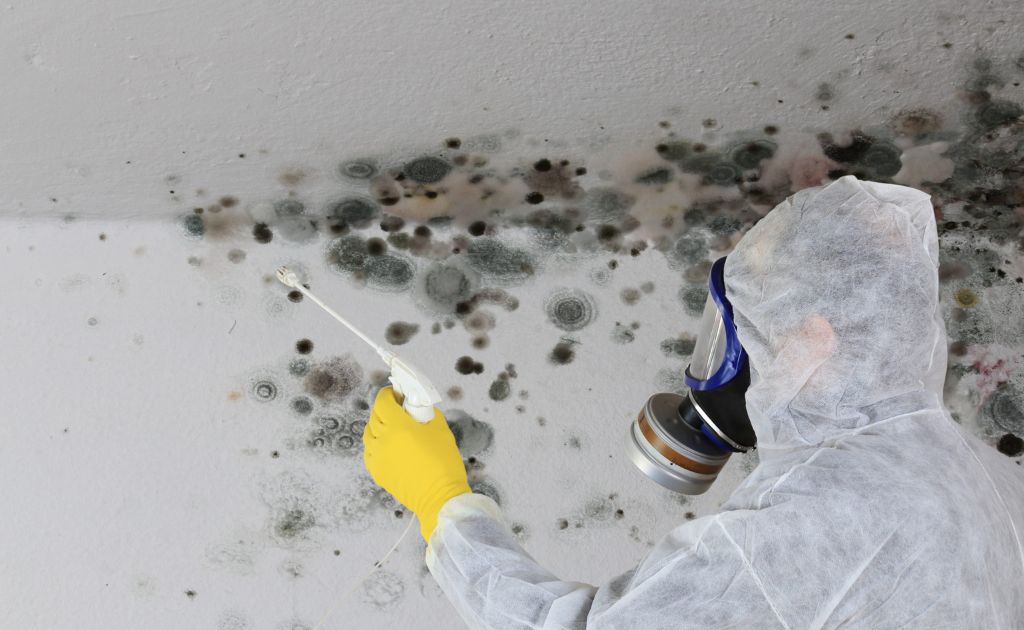
Professional mold remediation goes beyond drying. Experts remove mold, treat surfaces to prevent regrowth, and sanitize areas to ensure your home is safe. Attempting to remove mold yourself can be risky and often incomplete.
Mold and Your Health
Even when mold is dormant, it can still affect your health:
- Sneezing, coughing, and runny nose
- Itchy or watery eyes
- Skin irritation
- Asthma attacks and respiratory discomfort
Protecting your family and pets means addressing mold completely, not just drying the area.
FAQs: Will Mold Die Without Moisture?
Q: Will mold die if moisture is gone forever?
No, mold usually becomes dormant but does not die. It can remain viable for months or years.
Q: Can mold grow without any moisture?
No, mold needs moisture to grow. Without it, growth stops, but spores remain dormant.
Q: Does drying remove the health risk?
Not completely. Mold spores and fragments can still cause allergic reactions and respiratory issues.
Q: How long can mold spores survive without moisture?
Dormant spores can survive for months to years, waiting for the right conditions to reactivate.
Conclusion: Will Mold Die Without Moisture?
The short answer: No. Drying may stop mold growth, but it does not kill it. Dormant mold remains alive and can reactivate quickly if moisture returns. True mold control requires removing the mold and fixing the underlying moisture problem.
Protect Your Home with Expert Mold Remediation
If you have discovered mold or even suspect it, do not leave it to chance. At PuroClean of Coral Gables, we specialize in professional mold remediation that:
- Removes mold safely and completely
- Identifies hidden moisture sources
- Protects your home from future mold growth
Call us today for an assessment and ensure your home or business stays clean, safe, and mold free.
Final Summary
Will mold die without moisture? No. Mold becomes dormant, but spores can survive and reactivate when moisture returns. For lasting mold control, remove mold, fix water problems, and seek professional remediation. With proper action, your home can stay safe, healthy, and mold free.