

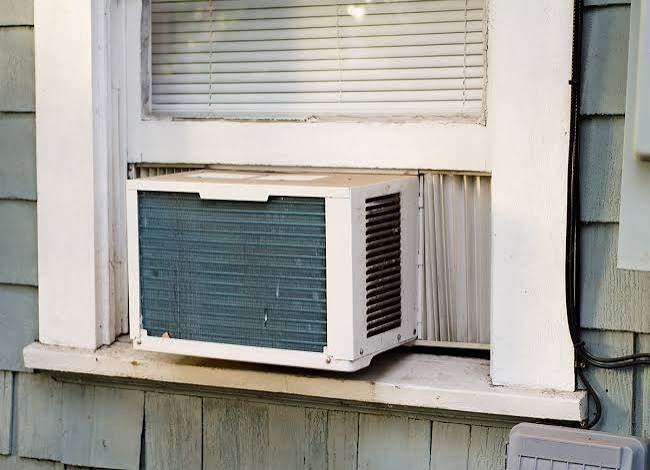
AC leaks are one of the leading causes of hidden water damage in Coral Gables homes. Left untreated, a slow drip from your air handler can destroy drywall, rot wood framing, and trigger toxic mold growth within 24 to 48 hours. This guide covers the causes, warning signs, and what professional AC water damage restoration actually involves so you know exactly what to do if it happens to you.
Living in Coral Gables means one thing is non-negotiable: your air conditioning runs almost year-round.
From the thick humidity of a Miracle Mile afternoon to the relentless heat of summer in the Roads neighborhood, your AC system works overtime every single day. And the harder it works, the more condensation it produces. That condensation is supposed to drain safely away. When it doesn’t. When a line clogs, a pan overflows, or a coil freezes, you’ve got an AC water damage problem on your hands.
The trouble is, most Coral Gables homeowners don’t see it coming. By the time there’s a visible stain on the ceiling or a soft spot in the floor, the damage has already spread behind your walls and into your structure.
That’s exactly why AC water damage restoration needs to happen fast. Knowing the signs early can save you thousands.
Why Coral Gables Homes Are Especially Vulnerable
This isn’t a problem unique to old homes or budget builds. The Mediterranean-style estates off Alhambra Circle, the newer condos near Coconut Grove, the townhomes in South Gables. They’re all at risk.
Here’s why. South Florida’s subtropical climate means:
- AC units run 10 to 12 months a year, not 4 to 6 like in other states
- Indoor humidity routinely tops 70% without active cooling
- Mold spores are always in the air, waiting for the right moisture conditions
- Homes built on concrete slabs trap moisture in walls and ceilings with few escape routes
The combination of constant AC use, high ambient humidity, and construction styles common in Miami-Dade County creates ideal conditions for hidden water damage. A small drip that might take weeks to matter in a dry climate can cause serious structural damage in Coral Gables within days.
5 Most Common Causes of AC Leak Water Damage
Understanding what causes these leaks helps you catch them early. Here are the main culprits:
1. Clogged Condensate Drain Lines
This is the number one cause. Your AC pulls moisture from the air and routes it out through a condensate drain line. In South Florida’s humid conditions, algae and mold build up in that line fast. When it clogs, water backs up and overflows directly into your ceiling, walls, or floor.
2. Overflowing Drip Pans
Every air handler sits above a drip pan designed to catch any overflow. Over time, pans rust, crack, or fill with standing water. When they overflow, the water goes straight into whatever’s below them.
3. Frozen Evaporator Coils
Low refrigerant, dirty filters, or restricted airflow can cause the evaporator coil to ice over. When the ice melts, it releases more water than the drip pan can handle. This often happens overnight and goes undetected for hours.
4. Loose or Disconnected Drain Lines
Connections loosen over time, especially if your unit vibrates or was recently serviced. A partially disconnected line can leak steadily for weeks before anyone notices.
5. Improper Installation or Aging Units
Units that weren’t installed with proper slope for drainage, or older systems past their service life, are significantly more likely to develop leak issues. In Coral Gables, where many homes have aging HVAC systems, this is more common than you’d think.
7 Warning Signs You Need AC Water Damage Restoration Now
Catch these early and you could avoid a major restoration job. Ignore them and you’re looking at mold, structural repairs, and serious costs.
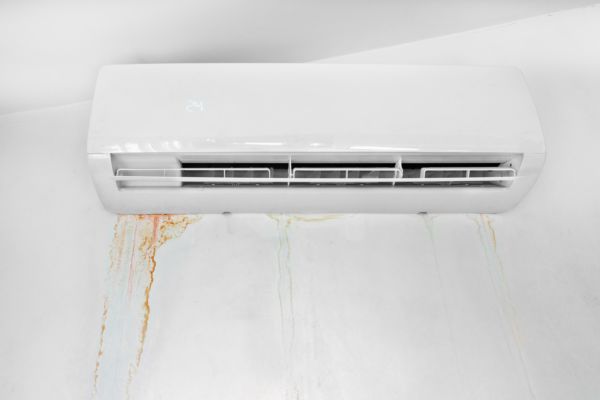
1. Water stains or discoloration on your ceiling
Brown or yellow rings on drywall directly below your air handler are a major red flag. Don’t wait to see if they grow.
2. Soft, spongy drywall or ceiling panels
Drywall that feels soft or crumbles slightly to the touch has been saturated. That water has likely spread much further than the visible damage suggests.
3. A musty smell in certain rooms
Mold gives off a distinct earthy, musty odor. If a room starts smelling different, especially near vents or AC units, take it seriously.
4. Visible mold spots
Black, green, or grey spots on walls, baseboards, or near your air handler mean mold has already established. AC water damage restoration needs to begin immediately.
5. Warped or buckling flooring
Hardwood, laminate, and even tile grout can buckle when moisture gets underneath. If your floors near an AC closet or utility area feel uneven, moisture is likely the cause.
6. Peeling paint or wallpaper Paint that bubbles or peels without an obvious cause is usually driven by moisture behind the surface.
7. Unexplained spikes in your water bill A slow, hidden leak can waste surprising amounts of water and raise your bill. If nothing else explains the increase, check your HVAC system.
What AC Water Damage Restoration Actually Involves
A lot of homeowners assume a quick dry-out is enough. It’s not. Real AC water damage restoration is a multi-step process that addresses what you can see and, critically, what you can’t.
Here’s what the process looks like when done correctly:
Step 1. Emergency Water Extraction
The first priority is stopping the source and removing standing or pooled water. Industrial-grade extraction equipment pulls water from floors, carpets, and subfloors that a mop or towel can’t reach.
Step 2. Thermal Imaging and Moisture Mapping
This is where professional AC water damage restoration separates itself from a DIY attempt. Thermal imaging cameras and moisture meters reveal hidden water pockets inside walls, ceilings, and insulation. These are areas you’d never see with the naked eye. In Coral Gables homes, where AC units often sit in attics above living spaces, water travels further than expected.
Step 3. Structural Drying
Industrial air movers and commercial dehumidifiers are placed strategically throughout the affected area. Drying is monitored daily with moisture readings until materials reach target levels. This phase can take 3 to 5 days depending on how much water has penetrated and how far it spread.
Step 4. Antimicrobial Treatment
Given South Florida’s mold conditions, treated areas receive antimicrobial applications to prevent mold growth during and after drying. If existing mold is discovered, a full mold remediation protocol begins at this stage.
Step 5. Material Removal and Replacement
Saturated drywall, damaged insulation, and compromised flooring that can’t be salvaged are removed and replaced. Restoration work brings the property back to pre-damage condition.
Step 6. Final Clearance Testing
Reputable restoration companies don’t just pack up and leave. Final moisture readings confirm everything is within acceptable limits before the job is closed.
The Mold Timeline: Why Speed Matters in Coral Gables
In most climates, you might have 48 to 72 hours before mold becomes a serious concern after water damage. In Coral Gables, that window is tighter.
The combination of year-round warmth, high humidity, and the mold spores already present in South Florida air means mold can begin developing in as little as 24 hours after water intrusion. Mold that starts behind a wall can spread to cover large areas within days. Once it’s established, remediation becomes significantly more expensive and invasive.
This is not fearmongering. It’s the climate reality of living in Miami-Dade County. Fast-acting AC water damage restoration is not optional. It’s the difference between a few days of restoration work and weeks of mold remediation.
Does Homeowners Insurance Cover AC Water Damage in Florida?
The short answer: sometimes, and the details matter.
Most standard Florida homeowners insurance policies cover sudden and accidental water damage. For example, a drain line that failed unexpectedly and caused immediate damage. What’s often NOT covered is gradual water damage. A slow drip that built up over weeks or months because maintenance was neglected.
Document everything immediately. Take photos before any work begins. Contact your insurer before remediation starts. A professional AC water damage restoration company experienced in Miami-Dade County will typically help you with the documentation process and work directly with adjusters.
5 Things You Can Do to Prevent AC Water Damage
Prevention is always cheaper than restoration. These steps matter especially in Coral Gables:
- Flush your condensate drain line monthly during peak AC season (May through October) using diluted vinegar or a pan tablet
- Change or clean air filters every 30 days during heavy use. Dirty filters cause coils to freeze
- Inspect your drip pan twice a year for rust, cracks, or standing water
- Have your HVAC system professionally serviced at least once a year, ideally before summer
- Install a float switch on your air handler. This simple device shuts the unit off automatically if the drip pan begins to overflow. It prevents a major leak before it starts
Frequently Asked Questions
How long does AC water damage restoration take?
Most residential AC water damage restoration jobs in Coral Gables take between 3 and 7 days for the drying phase. Total restoration including drywall repair and finishing can take 1 to 2 weeks depending on the extent of damage. The sooner you call, the shorter the timeline.
How much does AC water damage restoration cost?
Costs vary widely based on the size of the affected area and whether mold is present. Minor restoration jobs may run $500 to $1,500. Moderate to severe water damage with mold involvement can range from $3,000 to $10,000 or more. Acting quickly keeps costs lower.
Can I dry out AC water damage myself?
You can remove surface water, but without thermal imaging and commercial drying equipment you will almost certainly miss hidden moisture in walls and ceilings. That moisture leads to mold. In Coral Gables’ climate, DIY drying after AC leaks is a risk most homeowners end up regretting. Professional AC water damage restoration is worth the cost.
How do I know if my AC leak caused mold?
A musty smell, visible dark spots on walls or ceilings, or unexplained respiratory symptoms in occupants are all indicators. A certified restoration company can conduct moisture testing and air quality sampling to confirm whether mold is present and how far it has spread.
Will my homeowner’s insurance cover AC water damage?
It depends on your policy and the cause. Sudden, accidental damage is typically covered. Gradual leaks due to deferred maintenance often are not. Document everything immediately and call your insurer before any work begins.
How quickly can mold develop after an AC leak?
In South Florida’s climate, mold can begin developing within 24 hours of water intrusion. This is why immediate action is essential. Do not wait to see if the damage “dries itself out.”
Get Expert AC Water Damage Restoration in Coral Gables
If you’re seeing signs of AC water damage in your home. A stained ceiling, a musty smell, soft drywall. Don’t wait.
PuroClean of Coral Gables is a trusted, IICRC-certified restoration company serving Coral Gables, Miami, and South Florida. The team responds 24 hours a day, 7 days a week to water damage emergencies, with rapid response times and a full-service process that takes you from emergency extraction to complete restoration.
PuroClean of Coral Gables works directly with insurance providers throughout every step. from moisture mapping and structural drying through to final repairs. You won’t navigate the process alone.
Call PuroClean of Coral Gables now at (305) 894-4343.
Available 24/7. Fast response. IICRC certified. Serving Coral Gables and all of South Florida.
What You Need to Know About AC Water Damage Restoration in Coral Gables
AC leaks are one of the most common causes of hidden water damage in Coral Gables homes. The city’s climate is warm, humid, and AC-dependent year-round. makes every home vulnerable. The warning signs include ceiling stains, musty odors, soft drywall, and warped floors. The causes range from clogged condensate lines to frozen coils and aging units. And once water gets into your walls, mold can follow within 24 hours.
Professional AC water damage restoration involves extraction, thermal imaging, structural drying, antimicrobial treatment, and full material replacement. It’s not a job a box fan and a shop vac can handle.
Act fast. Call a certified restoration team. Protect your home before a manageable problem becomes a costly one.