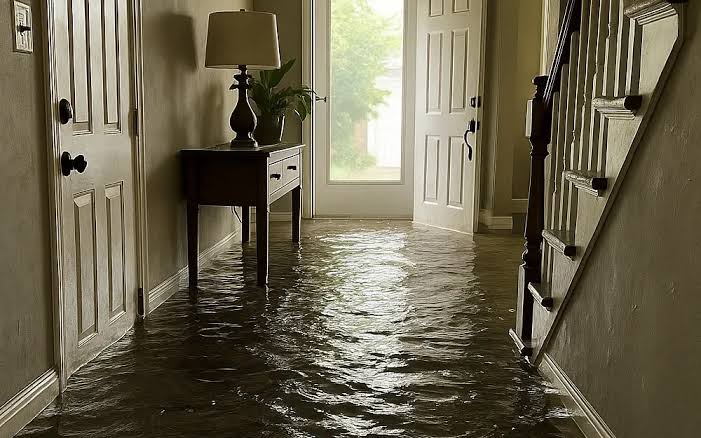
Heavy Rain in Miami can leave more than puddles in your yard. A few hours of intense rainfall can expose roof leaks, overwhelm drainage, push water through windows and doors, and leave moisture hidden inside walls, ceilings, floors, and other parts of your home.
For Coral Gables homeowners, checking your property after a major downpour is an important part of preventing a small water problem from becoming an expensive restoration project. PuroClean of Coral Gables provides professional water cleanup and property restoration services when your home has been affected by water intrusion.
The good news is that you do not need to inspect every inch of your property to get started. Focus on five areas where storm related water damage commonly becomes visible first.
1. Check Your Roof and Ceiling
Your roof is one of the first places to inspect after heavy rain in Miami.
You may not immediately see a major leak. Instead, look for subtle warning signs inside your home, including brown or yellow ceiling stains, bubbling paint, peeling surfaces, damp spots, or a ceiling that appears swollen or uneven.
Pay particular attention to rooms directly below the roof and areas around light fixtures or ceiling penetrations. Water does not always appear directly beneath the point where it entered. It can travel along roofing materials, insulation, framing, and other surfaces before becoming visible inside the home.
Outside, look for obvious roof damage such as missing or damaged shingles, broken tiles, accumulated debris, or areas where water appears to be collecting.
Miami Dade County recommends inspecting roofs for loose tiles, shingles, or debris as part of preparing homes for severe weather.
If you discover water around electrical fixtures, do not touch the fixture or attempt repairs while the area is wet. Electrical hazards can make storm damage particularly dangerous.
A ceiling stain that appears small today can become much more serious if the source of the moisture remains active.

2. Inspect Windows, Doors, and Exterior Walls
Rainwater does not always enter through the roof.
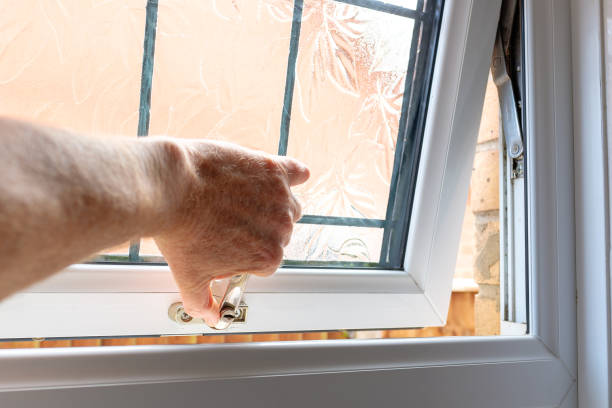
During strong storms, water can find its way through damaged seals, poorly fitted windows, doors, cracks, and other openings around the exterior of a home.
After the rain stops, check the areas around your windows and exterior doors for:
• Damp walls
• Water stains
• Peeling paint
• Swollen wood
• Wet flooring
• Damp curtains or furniture
• Musty odors
Pay special attention to rooms where you noticed wind driven rain hitting windows or doors.
A small amount of water may seem harmless, but repeated moisture around the same area can eventually damage drywall, trim, flooring, insulation, and other building materials.
If you notice moisture inside a wall, do not assume that drying the visible surface is enough. Water can travel behind the wall and remain trapped where you cannot see it.
This is especially important in Coral Gables homes where older construction, renovations, additions, and different building materials can create multiple pathways for water intrusion.
3. Check Your Gutters, Downspouts, and Drainage Areas
Sometimes the source of a home’s water problem is not a damaged roof or window. It is poor drainage.
Gutters and downspouts are designed to move rainwater away from your home. When they become clogged with leaves, branches, palm debris, or other material, water can overflow and collect close to the structure.
After a major storm, check whether:
• Gutters are overflowing
• Downspouts are blocked
• Water is pooling beside the house
• Yard drains are obstructed
• Water is flowing toward the foundation
• Landscaping is directing water toward the property
Miami Dade County specifically recommends clearing gutters, downspouts, and storm drains when heavy rain in Miami is expected. The county also notes that unobstructed swales are important for neighborhood drainage.
This matters in Coral Gables because intense rainfall can quickly create localized flooding when drainage systems become overwhelmed or blocked.
If you notice water repeatedly collecting in the same area around your home, do not simply wait for it to evaporate. Look for the reason the water is accumulating and determine whether it is reaching the structure.
4. Inspect Floors, Carpets, and Lower Areas
Water damage is not always obvious on walls and ceilings.
After a major storm, walk through your home and check floors, rugs, carpets, baseboards, and lower cabinets. Pay attention to areas near exterior doors, windows, bathrooms, kitchens, and walls that face outside.
Look for:
• Buckled or warped flooring
• Damp carpet
• Swollen baseboards
• Discoloration
• Soft spots
• Unusual odors
• Water underneath furniture
Carpet deserves particular attention because water can move below the visible surface and reach the padding underneath. A carpet may feel only slightly damp while moisture remains trapped underneath.
Hard flooring can also hide problems. Wood and some other materials may swell, warp, or change shape after absorbing moisture.
Do not assume that a floor is dry simply because you cannot see standing water.
Professional water restoration companies use moisture detection equipment to identify moisture that may not be visible during a normal visual inspection.
The EPA recommends drying wet or damp areas promptly and notes that water damaged materials should ideally be dried within 24 to 48 hours to help prevent mold growth.
5. Look for Hidden Moisture and Musty Odors
The fifth area is not really a single part of your home. It is anywhere you suspect moisture may be hiding.
Check behind furniture, inside cabinets, under sinks, around air conditioning equipment, in closets, and in areas that had previous leaks.
One of the easiest warning signs to notice is an unusual musty smell.
A persistent musty odor can indicate that moisture has remained somewhere inside the property. The EPA notes that mold can produce compounds associated with the familiar musty odor and recommends investigating such odors rather than simply masking them.
Look for other clues as well. You may notice peeling paint, discoloration, damp materials, warped surfaces, or small areas of visible growth.
The important thing is to address the moisture source rather than simply cleaning the visible symptom.
If water entered your home during a storm and remains trapped in building materials, waiting can make restoration more complicated.
What Should You Do If You Find Water Damage After Heavy Rain in Miami?
First, prioritize safety.
Do not enter areas with standing water if you suspect electrical hazards. Do not touch electrical equipment while standing in water, and follow local emergency guidance when flooding is involved.
If it is safe to do so, identify where the water appears to be coming from and stop the source. Move valuable belongings away from affected areas when possible.
Take photographs and videos of the damage before cleanup if it is safe to do so. This documentation can be useful when communicating with your insurance company or restoration professionals.
Then focus on getting the affected areas dried as quickly as possible.
Miami Dade County advises residents to avoid walking or driving through flooded areas and highlights the dangers associated with standing floodwater and electrical hazards.
If there is extensive water damage, contaminated water, significant flooding, or moisture inside walls and flooring, professional water cleanup may be the safer and more effective option.
Why Fast Water Cleanup Matters
A home can look mostly normal after an heavy rain in Miami stops while moisture continues causing problems underneath the surface.
Water can move into drywall, flooring, insulation, cabinets, furniture, and other porous materials. The longer these materials remain wet, the greater the possibility of additional damage.
Moisture also creates conditions that support mold growth. According to the EPA, controlling moisture is the key to controlling indoor mold, and wet areas should be dried promptly.
That is why it is better to investigate a small water stain, damp floor, or musty smell early rather than wait until the damage becomes obvious.
Why Coral Gables Homeowners Should Pay Attention
Coral Gables and the wider Miami area experience intense rainfall, high humidity, and periods of storm activity. These conditions mean that homeowners should take recurring moisture problems seriously.
A home does not need to be completely flooded to experience water damage.
A damaged roof tile, blocked gutter, leaking window, overflowing drain, or small opening around the exterior can allow enough water inside to create a problem.
Regular inspections after major rainfall can help you identify these issues before they become larger restoration emergencies.
If your Coral Gables home has experienced storm related water intrusion, acting quickly can help limit the extent of the damage.
Frequently Asked Questions – Heavy Rain in Miami
How soon should I inspect my home after heavy rain in Miami?
Inspect your home as soon as it is safe to do so after the rain has stopped. Look for visible water, stains, damp materials, unusual odors, and signs of water entering through the roof, windows, doors, or other areas.
Can heavy rain in miami cause water damage without flooding my home?
Yes. A home does not have to experience standing floodwater to sustain water damage. Roof leaks, damaged seals, blocked drainage, and water entering through exterior openings can all introduce moisture into a property.
How do I know if water is trapped behind my wall?
Warning signs can include recurring stains, bubbling or peeling paint, soft drywall, musty odors, or discoloration. Professional moisture detection equipment can help identify moisture that is not visible.
How quickly can mold develop after water damage?
Mold can begin growing when mold spores land on wet or damp materials. The EPA recommends drying water damaged areas and items within 24 to 48 hours to help prevent mold growth.
Should I paint over a water stain?
No. Painting may hide the discoloration temporarily, but it does not address the source of the moisture. The water problem should be identified and corrected before cosmetic repairs are made.
When should I call a water cleanup company?
Consider professional help when water has affected multiple areas, entered walls or flooring, caused significant standing water, continues to return, or cannot be safely dried with household equipment.
Don’t Let Storm Water Damage Become a Bigger Problem
The answer to the question “What should I inspect after heavy rain in Miami?” is simple: start with your roof and ceilings, windows and exterior walls, gutters and drainage areas, floors and carpets, and hidden moisture around the home.
Heavy Rain in Miami can create problems that are not immediately visible. A small ceiling stain, damp carpet, musty smell, or puddle near an exterior wall may be the first clue that water has entered your property.
If you find water damage in your Coral Gables home, don’t simply wait for everything to dry on its own. PuroClean of Coral Gables provides professional water cleanup and property restoration to help address water intrusion and its effects.
Need help after a storm or water emergency?
Call PuroClean of Coral Gables at (305) 894-4343.
When water gets into your home, quick action can make a difference.