

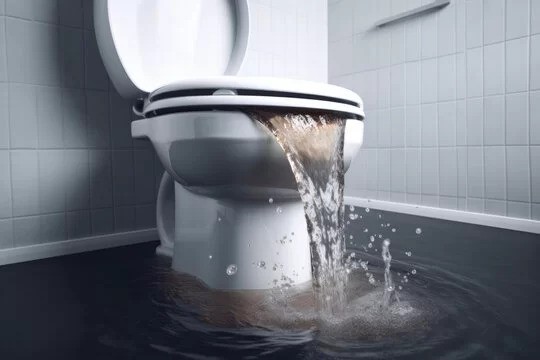
A toilet overflow can go from a minor plumbing problem to a serious property damage issue in just a few minutes. If contaminated water spreads across your bathroom floor, the priority is not simply getting the water off the floor. You also need to consider sanitation, hidden moisture, damaged materials, and the possibility of sewage contamination.
Toilet overflow cleanup should begin by stopping the source, keeping people and pets away from the affected area, and determining what type of water has escaped. If sewage or contaminated water has spread into flooring, drywall, carpeting, or other porous materials, professional restoration may be the safest option.
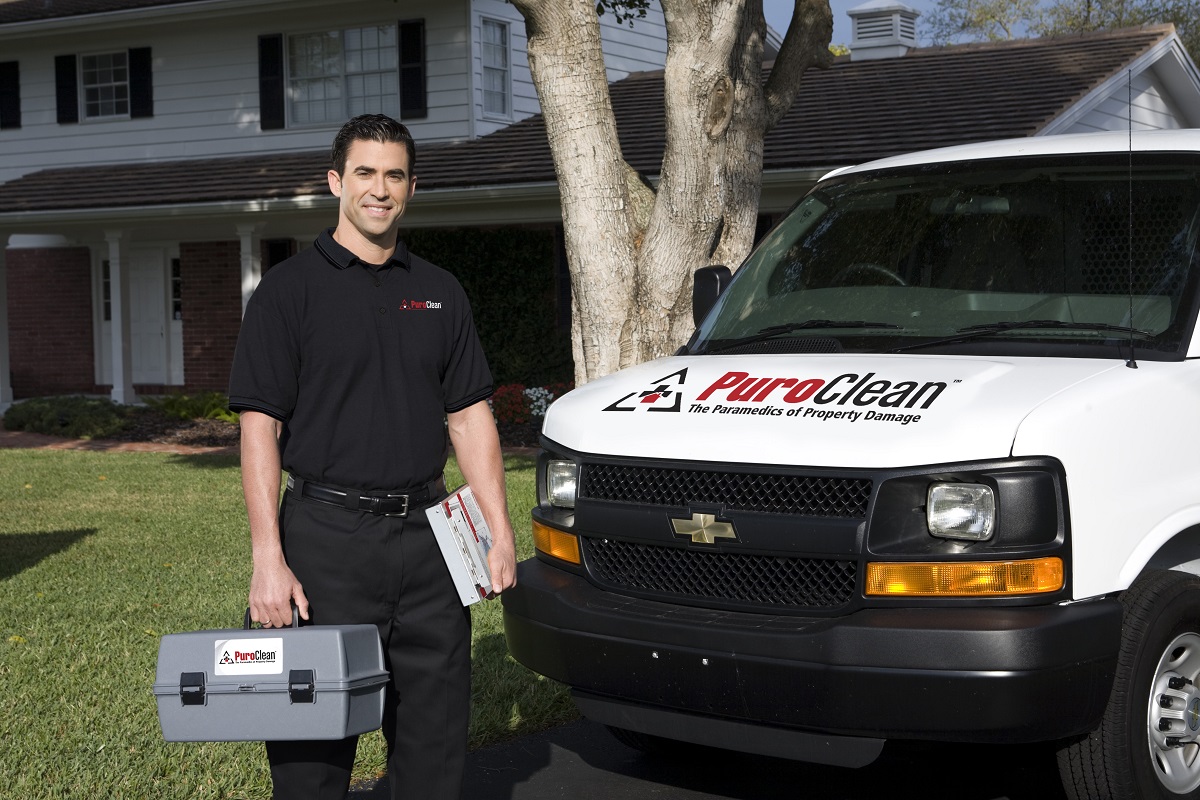
For homeowners in Coral Gables, PuroClean of Coral Gables provides professional water and property restoration services when an overflowing toilet causes more damage than you can safely handle yourself. Call (305) 894-4343 when you need help assessing and restoring water damaged areas.
Toilet Overflow Cleanup: What Should You Do First?
When a toilet starts overflowing, panic is easy. The good news is that taking a few quick steps can help limit the damage.
1. Stop the Water
The first priority is stopping more water from entering the toilet.
Look for the shutoff valve behind or beside the toilet, usually near the floor. Turn it clockwise to stop the water supply.
If the toilet continues overflowing or you cannot access the shutoff valve, you may need to shut off the home’s main water supply.
Do not flush the toilet again until the cause of the overflow has been identified and corrected.
A clogged toilet is one possible cause, but an overflow can also be connected to a blocked drain, sewer problem, faulty plumbing component, or another issue that requires professional attention.
2. Keep People and Pets Away
Once water has escaped from the toilet, keep children and pets away from the affected area.
This is especially important when the overflow contains sewage.
The CDC advises avoiding contact with water that may be contaminated with sewage because it can contain harmful organisms. When sewage is involved, protective equipment such as waterproof gloves and rubber boots is recommended.
Do not walk through contaminated water and then track it into other rooms.
If someone must enter the area, take appropriate precautions and avoid unnecessary contact.
3. Determine Where the Water Came From
Not every toilet overflow is the same.
Water that comes from a clean supply line is different from water that has backed up from the toilet bowl or sewer system.
If the overflow contains wastewater from the bowl, assume that contamination may be present.
The EPA notes that sewage backups can cause property damage and create public health concerns. The source of the water therefore matters when deciding how cleanup should be handled.
When you are dealing with contaminated water, the goal is not simply to make the bathroom look clean.
The affected surfaces and materials need to be properly cleaned, disinfected, and dried.
Why Toilet Overflow Water Can Be Dangerous
A toilet overflow can contain bacteria, viruses, organic matter, and other contaminants.
That is why sewage cleanup should be approached differently from an ordinary water spill.
The CDC recommends protective measures when handling sewage, including waterproof gloves and appropriate footwear. It also recommends avoiding contact with human waste and practicing thorough hand hygiene afterward.
This is one reason homeowners should think carefully before attempting extensive cleanup themselves.
If contaminated water has spread beyond the immediate toilet area, soaked into flooring, reached drywall, or remained standing for an extended period, professional assistance may be appropriate.
4. Remove Standing Water Carefully
If the water is safe to handle and the situation is minor, removing standing water quickly can help reduce the amount of moisture that reaches surrounding materials.
However, do not use ordinary household cleaning equipment if you are dealing with sewage contaminated water unless you understand the appropriate precautions.
A contaminated area can spread germs to cleaning tools, shoes, nearby surfaces, and other parts of the home.
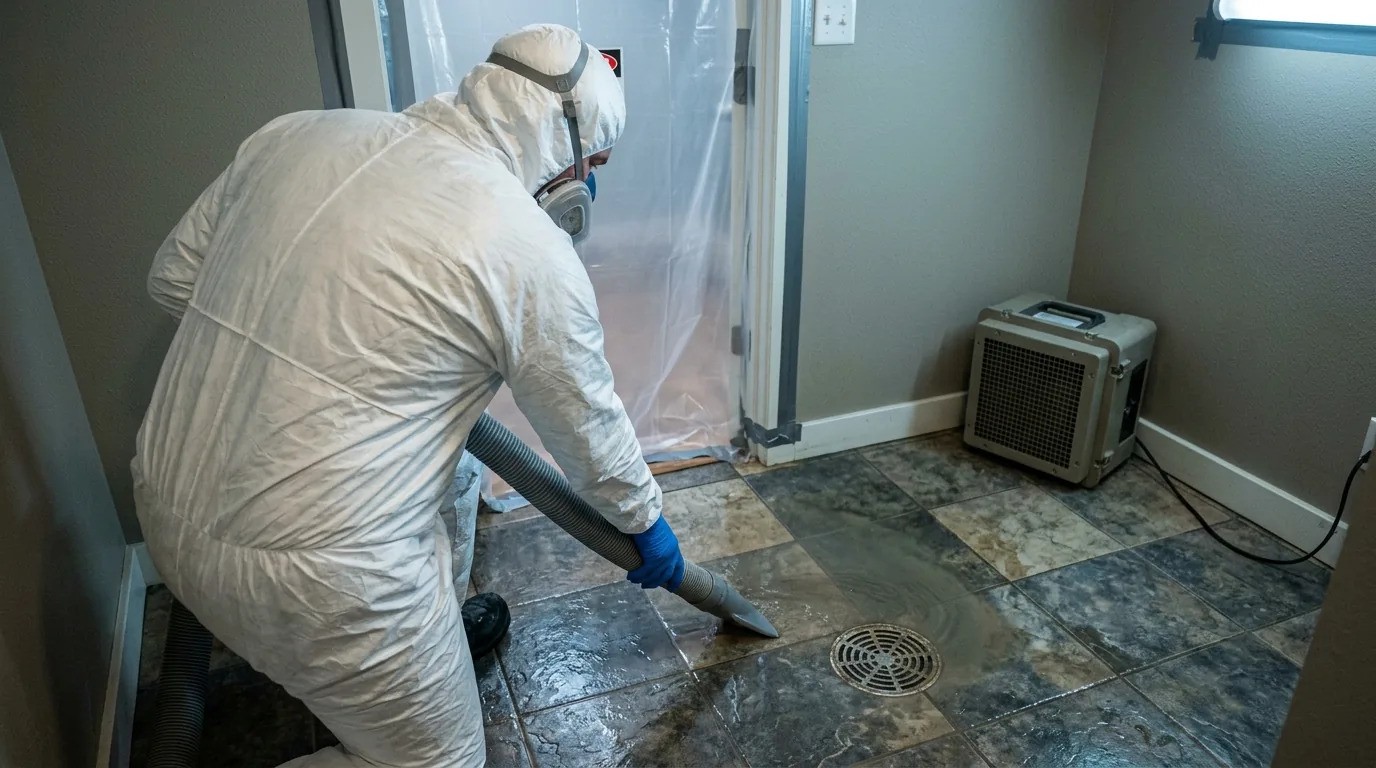
For a larger overflow, professional water extraction equipment can remove water more efficiently and help reduce the amount of moisture left behind.
This matters because the visible water is only part of the problem.
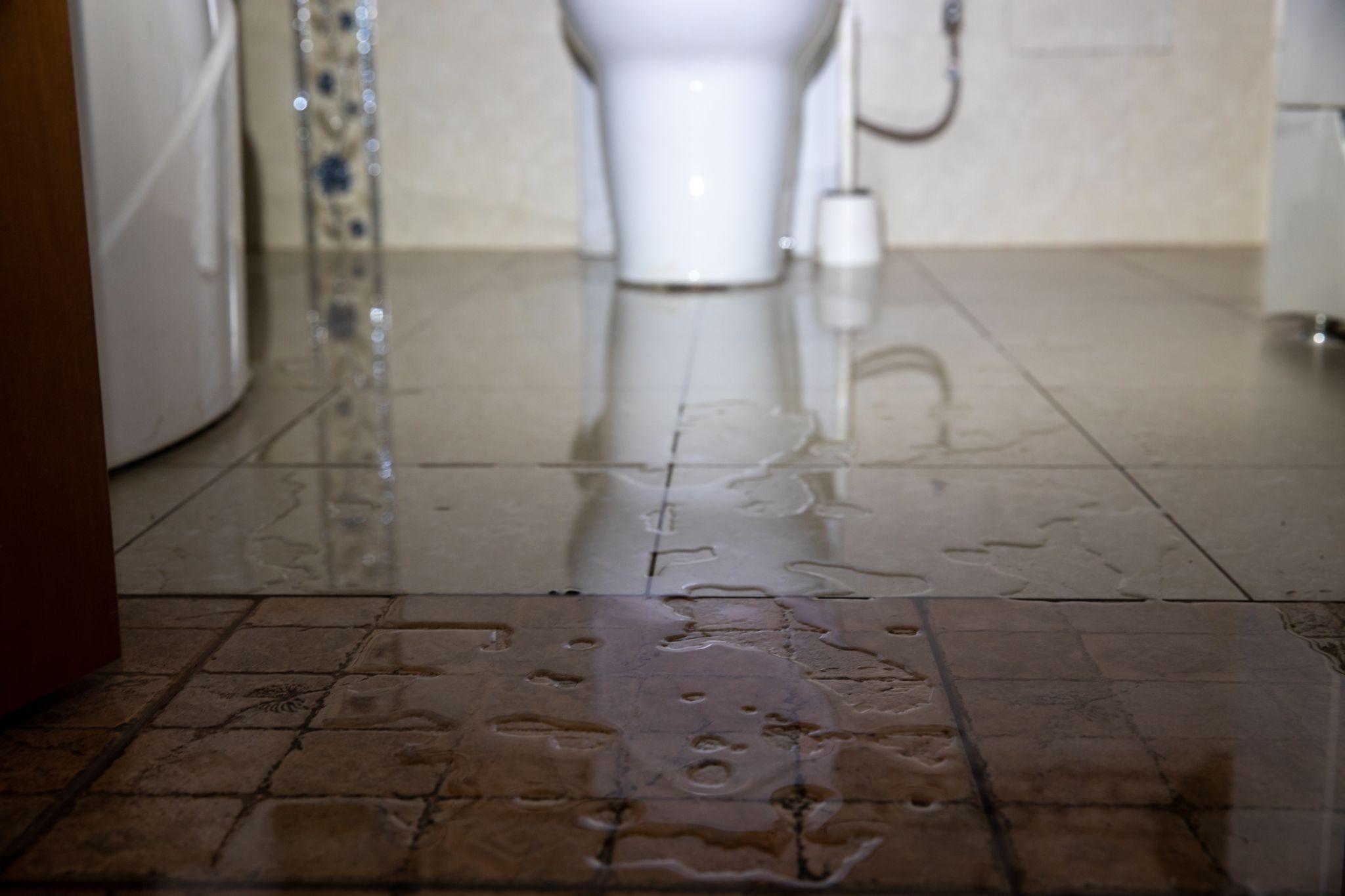
Water can move underneath flooring, into cracks, beneath baseboards, and into other porous materials.
5. Check for Hidden Water Damage
Once the obvious water has been removed, look at what the water may have affected.
Check:
- Bathroom flooring
- Baseboards
- Cabinets
- Drywall
- Grout and tile
- Flooring underneath the toilet
- Nearby closets
- Hallways and adjoining rooms
If the bathroom floor has wood, laminate, vinyl, or another material that can allow moisture underneath, water may have traveled farther than expected.
Baseboards can absorb moisture from the bottom up. Drywall can also absorb contaminated water and may need to be removed if it cannot be properly cleaned and dried.
Do not assume that a dry looking surface means the area underneath is dry.
Hidden moisture can remain long after the standing water has disappeared.
6. Clean and Disinfect Affected Surfaces
Cleaning and disinfecting are not exactly the same thing.
Cleaning removes dirt, organic material, and other impurities from a surface. Disinfection is intended to kill or reduce remaining microorganisms.
The CDC recommends cleaning surfaces before disinfecting them because dirt and other material can interfere with disinfectants.
If you are handling a small, contained incident involving clean water, ordinary household cleaning may be enough.
However, sewage contaminated materials require greater caution.
Follow the directions on any disinfectant you use, provide adequate ventilation, and never mix cleaning chemicals together.
Bleach, ammonia, and other cleaning products can produce dangerous fumes when combined.
If you are uncertain about the type of contamination involved, professional cleanup is the safer choice.
7. Dry the Area Completely
Getting the visible water off the floor is not the end of the process.
Moisture needs to be removed from affected materials as well.
This is particularly important in Coral Gables and throughout South Florida, where warm temperatures and high humidity can make moisture control more challenging.
The longer damp materials remain wet, the greater the opportunity for odors, deterioration, and microbial growth.
The CDC recommends drying wet areas quickly after water damage and using fans, air conditioning, or dehumidifiers where appropriate.
Professional restoration companies may use air movers, dehumidifiers, moisture meters, and other equipment to help identify and remove moisture.
The objective is simple:
Do not just make the room look dry. Make sure it is actually dry.
When Should You Call a Professional?
Not every toilet overflow requires a restoration company.
A very small, quickly contained incident on a nonporous bathroom surface may be something a homeowner can clean safely.
But professional help becomes more important when the situation involves:
- Sewage contaminated water
- A large amount of standing water
- Water spreading beyond the bathroom
- Wet drywall
- Wet insulation
- Damaged flooring
- Water underneath cabinets
- Persistent odors
- Visible mold
- Repeated toilet or sewer backups
- Water that remained standing for an extended period
- Uncertainty about how far the water traveled
If sewage has entered porous materials, simply spraying disinfectant on the surface may not be enough.
Materials that cannot be effectively cleaned and dried may need to be removed and replaced.
Common Causes of Toilet Overflows
Understanding why the toilet overflowed can help prevent another emergency.
Clogged Toilet
A blockage is one of the most common causes.
Too much toilet paper, foreign objects, or materials that should not be flushed can restrict the drain and cause water to rise.
Blocked Sewer Line
If multiple drains are slow or several fixtures are backing up, the problem may extend beyond the toilet.
A blocked sewer line can cause wastewater to back up through toilets and other drains.
Plumbing Problems
A damaged drain line, faulty toilet component, or other plumbing issue can contribute to repeated backups.
Heavy Rain and Sewer Issues
South Florida homeowners may also experience drainage and sewer problems during periods of heavy rainfall.
The EPA explains that sanitary sewer overflows can occur because of blockages, line breaks, system defects, power failures, and other problems.
If a toilet backup occurs alongside slow drains, floor drain overflow, or other unusual plumbing behavior, contact a qualified plumber to investigate the source.
Toilet Overflow Cleanup in Coral Gables
A toilet overflow in a Coral Gables home can be particularly frustrating because the problem may not end when the water stops rising.
Moisture can move into flooring and other materials, while Florida’s warm and humid environment can make drying especially important.
The problem can also spread beyond the bathroom.
For example, water may move into a hallway, bedroom, closet, or adjacent room through flooring and other pathways.
That is why homeowners should look beyond the immediate area around the toilet.
If the overflow was significant, inspect the surrounding areas for damp flooring, swollen baseboards, unusual odors, or other signs of moisture.
And if you are not sure whether the area has been fully dried and cleaned, have it professionally assessed.
What Should You Avoid After a Toilet Overflow?
A few mistakes can make the situation worse.
Do Not Keep Flushing
If the toilet is already backing up, additional flushing can send more water onto the floor.
Do Not Ignore a Recurring Backup
If the toilet repeatedly overflows or drains slowly, there may be a larger plumbing or sewer problem.
Do Not Mix Cleaning Chemicals
Mixing bleach with other household chemicals can produce dangerous fumes.
Do Not Track Contaminated Water Through Your Home
Keep traffic away from the affected area and clean or change footwear as appropriate.
Do Not Assume the Problem Is Over When the Floor Looks Dry
Moisture may remain underneath flooring, inside walls, or in other materials.
Do Not Handle Extensive Sewage Cleanup Without Proper Protection
If the overflow involves significant sewage contamination, professional restoration can reduce unnecessary exposure and help ensure the affected area is properly addressed.
How PuroClean of Coral Gables Can Help
When an overflowing toilet causes more than a small mess, PuroClean of Coral Gables can help you move from emergency to recovery.
Professional restoration may involve assessing the affected areas, removing standing water, identifying hidden moisture, drying affected materials, cleaning and addressing contamination, and helping restore the property.
The exact process depends on the source of the water, the extent of the damage, the materials involved, and how long the area remained wet.
For homeowners in Coral Gables, South Miami, Coral Terrace, West Miami, Westchester, Doral, Miami, and surrounding communities, getting professional help early can help prevent a manageable problem from becoming a much larger restoration project.
If the overflow has affected flooring, drywall, cabinets, adjoining rooms, or other parts of your property, don’t wait for the damage to become more obvious.
Call PuroClean of Coral Gables at (305) 894-4343 for professional Toilet Overflow Cleanup and water damage restoration assistance.
FAQs About Toilet Overflow Cleanup
How should I clean up after a toilet overflow?
First, stop the water supply and keep people and pets away from the affected area. If the water is contaminated with sewage, use appropriate protective measures and consider professional cleanup, especially if porous materials have been affected.
Is toilet overflow water considered contaminated?
If water has come from the toilet bowl or sewer system, it should be treated as potentially contaminated. Avoid unnecessary contact and take appropriate precautions during cleanup.
Can I clean up a toilet overflow myself?
A small, contained incident involving clean water may be manageable for a homeowner. However, sewage contaminated water, extensive flooding, or water that has entered porous materials is better handled by trained professionals.
Can toilet overflow cause mold?
Yes. Any water intrusion that leaves materials damp for an extended period can contribute to microbial growth. Prompt drying is an important part of preventing moisture related problems.
How long does toilet overflow cleanup take?
It depends on the amount of water, the source, the materials affected, and how long they remained wet. A minor surface cleanup can be relatively quick, while contaminated water that reaches flooring or drywall may require a more extensive restoration process.
What should I do if my toilet keeps overflowing?
Stop using the toilet and contact a qualified plumber. Repeated backups can indicate a blockage or larger drainage or sewer problem.
Can sewage damage hardwood or other flooring?
Yes. Sewage can contaminate flooring and moisture can cause certain materials to swell, warp, or deteriorate. The appropriate response depends on the flooring material, contamination level, and extent of exposure.
When should I call PuroClean of Coral Gables?
Call when an overflow has caused significant water damage, contaminated water has spread into other areas, porous materials have been affected, or you are unsure whether the area has been completely cleaned and dried.
The Bottom Line
Toilet Overflow Cleanup is about more than removing water from the bathroom floor.
The first priority is to stop the source and keep people away from potentially contaminated water. From there, the affected area needs to be properly assessed, cleaned, disinfected where appropriate, and thoroughly dried.
For a small and contained incident, homeowners may be able to handle some of the cleanup themselves. But when sewage spreads into flooring, drywall, cabinets, or adjoining rooms, professional restoration is often the safer and more effective option.
In Coral Gables, fast action is especially important because warm, humid conditions can make lingering moisture more problematic.
If your toilet has overflowed and you are unsure what happened underneath the surface, don’t take chances.
Call PuroClean of Coral Gables at (305) 894-4343 for professional Toilet Overflow Cleanup and water damage restoration.