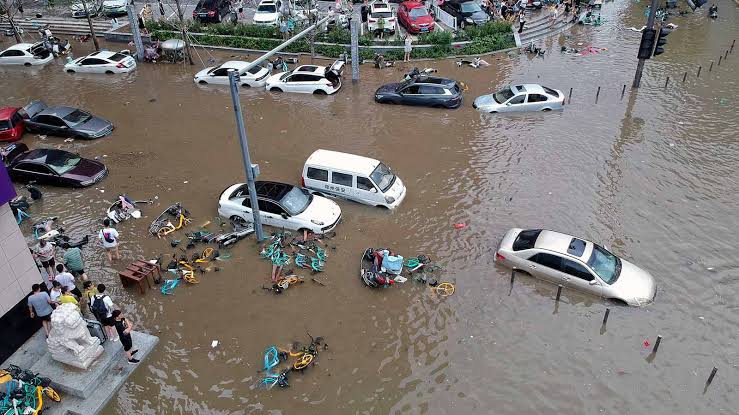
Flash flooding in Miami can turn an ordinary afternoon of heavy rain into a serious property emergency. Water may enter homes through doors, garages, windows, roof openings, and low-lying areas, damaging flooring, furniture, electrical systems, and personal belongings in a short time. To protect your home, monitor official weather alerts, move valuables out of flood-prone areas when it is safe, avoid walking or driving through floodwater, and arrange professional cleanup when flooding occurs. PuroClean of Coral Gables provides property damage restoration services to help homeowners recover from flooding. Call (305) 894-4343 for assistance.
For residents of Coral Gables and surrounding Miami-Dade County communities, heavy rainfall can create challenges even when a storm does not develop into a hurricane. Water can accumulate on streets, overwhelm drainage systems, and enter properties before homeowners have time to react.
A flooded home is not just a matter of wet floors. Floodwater may contain sewage, chemicals, debris, and other contaminants. Moisture left behind can also damage building materials and create conditions that support mold growth.
The good news is that preparation and a fast, informed response can help reduce losses.
This guide explains why flash flooding occurs in Miami, how to protect your property before and during a flood, what to do immediately afterward, and when to contact a professional flood cleanup company.
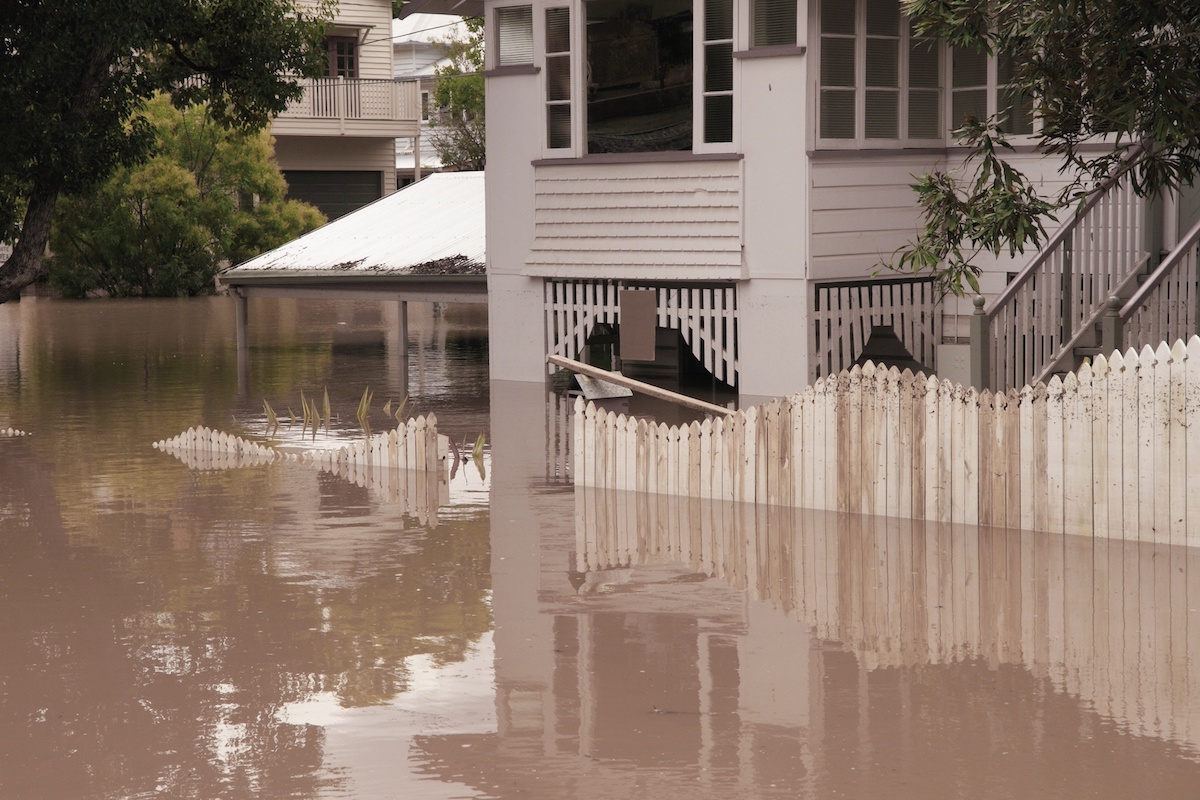
Why Flash Flooding in Miami Is a Serious Risk
Miami’s tropical climate brings frequent heavy rainfall, particularly during the wet season. When intense rain falls faster than the ground and drainage systems can handle it, water can accumulate rapidly in streets, yards, parking areas, and buildings.
Several local conditions can increase the risk.
Intense rainfall: A strong thunderstorm can produce substantial rainfall in a short period, overwhelming local drainage in vulnerable areas.
Low-lying terrain: Some properties and roads are more vulnerable to standing water because of their elevation and surrounding drainage conditions.
Urban development: Roads, parking lots, driveways, and other paved surfaces prevent much of the rainwater from soaking into the ground, increasing surface runoff.
Drainage limitations: Blocked drains, overwhelmed stormwater infrastructure, or inadequate drainage around a property can contribute to water accumulation.
High groundwater and coastal conditions: In parts of South Florida, high groundwater levels and coastal water conditions can complicate drainage and increase flood vulnerability.
For Coral Gables homeowners, these factors mean that a property does not need to sit beside a river to experience flooding. Heavy rainfall can affect streets, garages, ground-floor rooms, and landscaped areas.
Flash flooding can also develop quickly, leaving little time to move belongings or prepare the property. That is why advance planning matters.
For current alerts and local information, monitor the National Weather Service in Miami and Miami-Dade County’s flooding resources.
Nine Ways to Protect Your Home Before Flash Flooding in Miami
Preparing before a storm is one of the most effective ways to limit property damage. These practical steps can help Coral Gables homeowners, renters, and property managers get ready.
1. Know Your Property’s Flood Risk
Do not wait until water reaches your driveway to find out whether your home is vulnerable.
Check official flood hazard information, observe where water collects around your property, and review any previous flooding incidents. Pay particular attention to garages, ground-floor rooms, low entrances, and areas near storm drains.
The Federal Emergency Management Agency (FEMA) provides an official Flood Map Service Center where property owners can review available flood hazard maps.
Understanding your risk is an important first step in preparing for Flash Flooding in Miami.
2. Keep Gutters and Drains Clear
Leaves, dirt, and debris can block gutters, downspouts, and exterior drains. When heavy rain arrives, water may spill toward your home’s foundation or collect around entrances.
Inspect drainage areas regularly, especially before periods of expected heavy rainfall. Make sure downspouts direct water away from the building where appropriate and that exterior drains are not visibly obstructed.
If water repeatedly pools around your property, consider consulting a qualified drainage professional about longer-term improvements.
3. Protect Doors, Windows, and Garage Entrances
Water can enter through vulnerable openings, especially when rain is driven by strong winds or outdoor water levels rise.
Inspect weather seals, door thresholds, window frames, and garage doors. If your property is prone to water intrusion, ask a qualified contractor about appropriate flood barriers or other protective measures.
Temporary barriers may help in certain situations, but they are not guaranteed to prevent flooding. Never delay evacuation or enter dangerous water to install them.
4. Move Valuable Belongings to Higher Areas
During Flash Flooding in Miami, furniture and personal possessions on the floor may be among the first items affected.
Where practical, store important documents, electronics, photographs, medications, and irreplaceable keepsakes above potential flood levels. Use waterproof containers for essential documents and keep digital backups of important records.
If you live in a flood-prone home, consider elevating storage shelves and keeping valuable items away from ground-level closets and garages.
5. Prepare an Emergency Kit
A flood can interrupt electricity, transportation, and access to essential supplies.
Prepare drinking water, nonperishable food, flashlights, batteries, a first-aid kit, necessary medications, phone chargers, and copies of important documents. Keep the kit somewhere accessible that is not likely to flood.
Include supplies for children, older family members, and pets where applicable.
Flash Flooding in Miami may develop with little warning, so preparing your kit ahead of time is more useful than trying to gather everything as water begins rising.
6. Review Your Insurance Coverage
Standard homeowners insurance policies generally do not cover flood damage caused by external flooding. Separate flood insurance may be necessary, subject to policy terms, exclusions, and limits.
Review your coverage before the rainy season. Understand how your policy defines flooding, what property is covered, and how deductibles apply.
For an overview, visit FEMA’s Flood Insurance page.
Do not assume that a neighbor’s coverage or your previous insurance claim tells you exactly what your own policy covers.
7. Create a Family Flood Emergency Plan
Every household should know what to do when a flash flood warning is issued.
Identify safe routes to higher ground, choose an emergency contact, and agree on a meeting place. Make sure household members understand that floodwater can hide dangerous debris, open manholes, damaged roads, and electrical hazards.
Follow instructions from local authorities. If officials direct you to evacuate, leave promptly rather than waiting to move possessions.
8. Protect Important Property Systems
Where appropriate and professionally advised, consider flood-resistant improvements for vulnerable equipment, electrical components, and essential building systems.
Ask qualified contractors whether water heaters, electrical equipment, HVAC components, or other systems can be protected or relocated safely. Avoid attempting electrical work yourself.
Never touch electrical equipment while standing in water or enter a flooded area to switch off power. If it is safe to do so, follow utility or emergency personnel instructions.
9. Monitor Weather Alerts and Act Early
Heavy rainfall can intensify quickly in South Florida. Monitor official weather forecasts, local emergency alerts, and evacuation guidance.
A flash flood watch generally means conditions are favorable for flash flooding, while a flash flood warning means flooding is occurring or imminent in the warned area. Follow the exact instructions in official alerts.
During Flash Flooding in Miami, early action can give you more time to reach safety. Property protection should always come second to protecting human life.
What to Do During Flash Flooding in Miami
When water starts rising, your priorities should be safety, communication, and avoiding unnecessary exposure.
- Move to safer ground: Follow emergency instructions and leave threatened areas when authorities advise evacuation.
- Never walk or drive through floodwater: Water can conceal hazards, and even relatively shallow moving water can knock a person off balance or carry away a vehicle.
- Stay away from downed power lines: Floodwater can conduct electricity. Report hazards to the appropriate authorities.
- Keep away from drainage channels: Water levels and currents can change rapidly near storm drains, canals, and other waterways.
- Take belongings only if safe: Do not risk injury trying to save furniture, electronics, or other possessions.
- Keep emergency alerts accessible: Use a charged phone or battery-powered radio where possible.
The National Weather Service’s flood safety guidance provides additional information about flash flood hazards.
If water is entering your Coral Gables home, do not enter a flooded basement, garage, or ground-floor room if electrical or structural hazards may be present. Wait for the area to be declared safe before beginning cleanup.
What to Do After Flash Flooding in Miami
Once floodwater recedes, the property may still contain hazards that are not immediately visible.
Document the damage
When it is safe to enter, photograph and record affected rooms, furniture, appliances, flooring, walls, and other belongings before removing damaged items.
Keep receipts for emergency expenses and maintain a record of communications with your insurer. Contact your insurance company promptly and follow its instructions about inspections and repairs.
Avoid contaminated floodwater
Floodwater may contain sewage, chemicals, fuel, bacteria, and other harmful substances. Wear suitable protective equipment only when conditions are safe, and avoid direct contact with contaminated materials.
Do not assume that water is clean simply because it looks clear. Food, medicines, and other porous items exposed to contaminated floodwater may need to be discarded according to relevant safety guidance.
Address standing water and moisture
Once authorities confirm that the area is safe, arrange appropriate water extraction and drying. Water can penetrate carpet padding, insulation, drywall, cabinetry, and subflooring.
The longer moisture remains, the greater the potential for material damage and mold growth. Drying methods should reflect the extent of flooding and whether the water is contaminated.
Watch for mold and hidden damage
A room may look dry on the surface while moisture remains inside walls, under flooring, or behind cabinets.
Watch for musty odors, discoloration, peeling paint, swelling, and other signs of moisture. Flash Flooding in Miami can create concealed damage that becomes noticeable only after several days.
If you suspect extensive water intrusion, arrange a professional assessment instead of relying solely on visible signs.
Why Professional Flood Cleanup Matters
After Flash Flooding in Miami, removing visible water is only one part of restoring a property. Water may spread beyond the area where it first entered, and some building materials can retain moisture long after the surface appears dry.
Professional flood cleanup can help property owners identify affected areas and determine what needs to be cleaned, dried, removed, or repaired.
A thorough restoration process may include:
Water extraction: Removing standing water using suitable extraction equipment.
Moisture assessment: Checking affected building materials and looking for water that has spread into concealed areas.
Drying and dehumidification: Using appropriate equipment to help remove remaining moisture from the structure and its contents.
Cleaning and sanitation: Addressing contamination according to the type of floodwater and the materials affected.
Damage assessment: Determining whether flooring, drywall, insulation, cabinets, or other materials can be restored or require removal.
Restoration coordination: Identifying repairs needed to return affected areas to a safe, usable condition.
The appropriate approach depends on the source of the water, the time elapsed, the extent of damage, and any contamination present.
For Coral Gables homeowners, professional assistance can be especially valuable when flooding affects several rooms, when water enters wall cavities, or when the property has persistent moisture or musty odors.
PuroClean of Coral Gables provides property damage restoration services to help homeowners respond to water-related damage. If Flash Flooding in Miami has affected your home, a professional assessment can help you understand the damage and the next steps toward recovery.
How to Reduce the Risk of Future Flood Damage
Although no homeowner can prevent every flood, several improvements can help reduce vulnerability.
- Maintain gutters, downspouts, and exterior drainage systems.
- Repair roof leaks, damaged window seals, and vulnerable entry points.
- Address persistent water pooling around the property.
- Store important possessions above areas likely to flood.
- Review flood insurance coverage and update your emergency plan.
- Arrange routine inspections of plumbing and air conditioning drainage.
- Keep records of previous flooding and the repairs completed.
If your home has flooded more than once, consider a professional evaluation of its drainage and water-entry points. Repeated flooding may indicate a problem that requires a longer-term solution rather than another round of cleanup.
For property managers, maintaining a written response plan can also make a difference. Keep emergency contacts available, establish a process for tenant reports, and know which qualified contractors to contact when damage occurs.
Preparing ahead of time helps homeowners respond more confidently when Flash Flooding in Miami threatens their property.
Frequently Asked Questions About Flash Flooding in Miami
1. Why does Miami experience flash flooding?
Miami can experience flash flooding when intense rainfall exceeds the capacity of the ground and drainage systems to absorb or carry away water. Low-lying terrain, paved surfaces, drainage conditions, and high groundwater can contribute to flooding in vulnerable locations.
2. Which areas of Coral Gables are at risk of flooding?
Flood risk varies by property, elevation, drainage conditions, and proximity to waterways. A neighborhood name alone cannot determine whether a particular home is at risk. Check FEMA flood maps, local flood resources, and property-specific information to better understand your exposure.
3. What should I do first if my home floods?
Prioritize safety. Follow emergency instructions, stay out of moving floodwater, and avoid areas with possible electrical hazards. Once the property is safe to enter, document the damage, contact your insurer, and arrange appropriate flood cleanup.
4. How quickly should floodwater be removed?
Standing water should be addressed as soon as conditions are safe. Prompt extraction and drying can help limit damage to building materials and reduce the likelihood of mold growth. Floodwater contamination and hidden moisture may require specialized professional treatment.
5. Does homeowners insurance cover flash flood damage in Miami?
Standard homeowners policies generally exclude flood damage caused by external flooding. Separate flood insurance may provide coverage, depending on the policy, exclusions, deductibles, and circumstances. Review your coverage with your insurance provider before a flood occurs.
6. Can flash flooding cause mold in my home?
Yes. Flooding can leave moisture inside drywall, insulation, flooring, furniture, and other materials. If affected areas are not dried appropriately, mold may develop. After Flash Flooding in Miami, look for musty odors, visible growth, and persistent dampness, and arrange a professional assessment if you suspect hidden moisture.
7. Can I clean up flood damage myself?
Minor clean water incidents may sometimes be manageable without professional restoration, provided the area is safe and the materials can be dried appropriately. However, floodwater from streets or external flooding may contain contaminants. Extensive flooding, concealed moisture, electrical hazards, and contaminated materials are reasons to seek professional help.
8. How long does flood damage restoration take?
The timeline depends on how much water entered the property, the materials affected, contamination, drying conditions, and the extent of repairs required. Some incidents can be addressed relatively quickly, while significant structural damage may require a longer restoration process.
9. Who should I call for flood cleanup in Coral Gables?
If Flash Flooding in Miami has damaged your property, contact a qualified restoration company that can assess the damage and determine the appropriate cleanup and drying process. PuroClean of Coral Gables can be reached at (305) 894-4343 to discuss property damage restoration needs.
Protect Your Coral Gables Property With Professional Flood Cleanup
Flash Flooding in Miami can cause serious damage in a surprisingly short time. From waterlogged flooring and damaged furniture to hidden moisture inside walls, the effects can continue long after the rain stops.
The most effective response combines preparation, safe decisions during the storm, and prompt action afterward. Know your property’s flood risk, monitor official weather alerts, protect important belongings, and never put yourself in danger trying to prevent property damage.
When Flash Flooding in Miami affects your home, timely flood cleanup and professional water damage restoration can help limit further damage and get the recovery process moving.
PuroClean of Coral Gables is here to help property owners address flood-related damage. If your home has experienced flooding, standing water, or moisture intrusion, contact the team to discuss your restoration needs.
Call (305) 894-4343 for flood cleanup and property damage restoration assistance.
Do not wait for a musty odor or visible mold to appear before addressing water damage. With Flash Flooding in Miami, acting promptly after it is safe to do so can make a meaningful difference in protecting your home, your belongings, and your peace of mind.