Storms can cause significant damage to residential and commercial properties, sometimes within a matter of hours. From strong winds and heavy rainfall to roof leaks, flooding, and fallen debris, severe weather can leave properties in Key Biscayne vulnerable to structural damage and costly repairs.
Even after a storm has passed, the effects may continue to develop. Water can seep into walls, ceilings, flooring, and other building materials, creating conditions for mold growth and further deterioration. Damaged roofing, broken windows, and compromised exterior structures can also expose properties to additional water intrusion.
Knowing what to do after a storm is essential to protecting your property and preventing further damage. Professional storm damage restoration in Key Biscayne helps homeowners and business owners assess the situation, address immediate risks, and begin the recovery process.
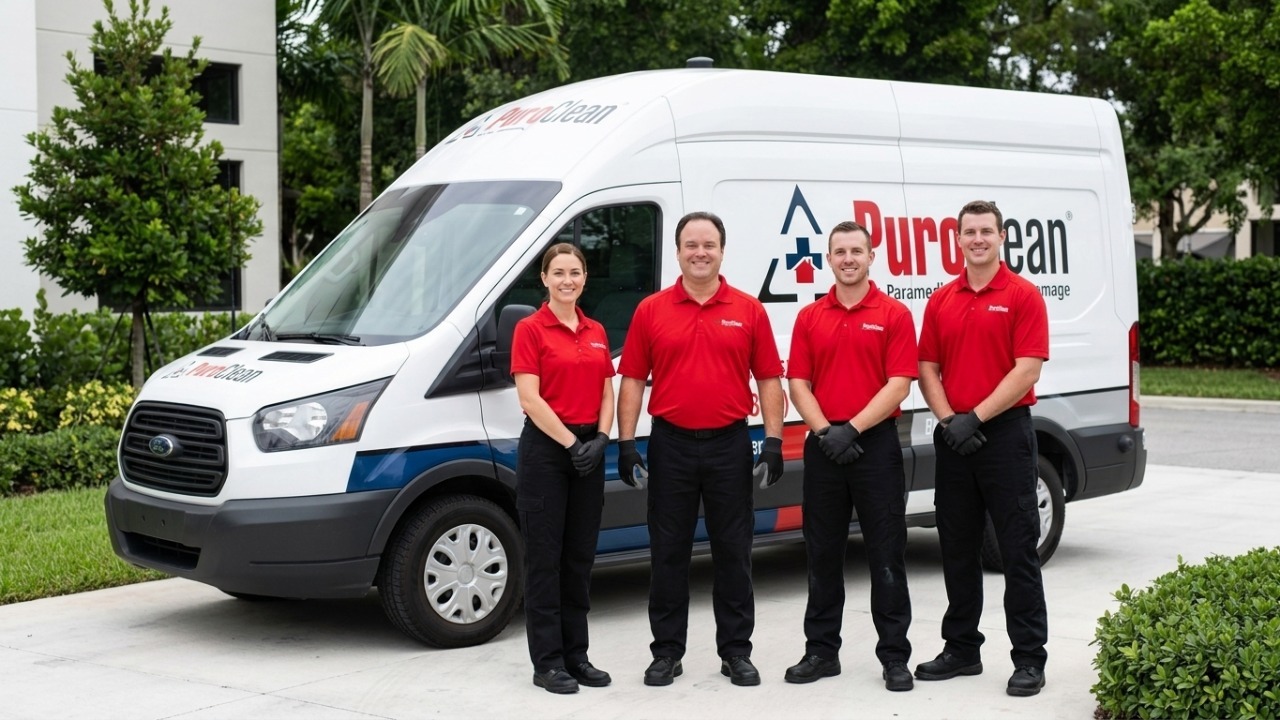
At PuroClean of Coral Gables, we provide professional property restoration services to help communities in the Miami area recover from storm-related damage. Our team is available 24/7 to respond when unexpected property damage occurs.
Understanding Storm Damage to Properties in Key Biscayne
Key Biscayne’s coastal location makes properties susceptible to different types of storm-related damage. Heavy rainfall, strong winds, tropical storms, and hurricanes can affect homes, condominiums, and commercial buildings in several ways.
Some damage is immediately visible, while other problems may remain hidden until they become more serious.
Common types of storm damage include:
1. Roof Damage
Strong winds can loosen or remove shingles, damage roof flashing, and displace roofing materials. Even small openings can allow rainwater to enter the property, affecting ceilings, insulation, walls, and other interior structures.
2. Water Intrusion and Flooding
Heavy rainfall and storm-related flooding can introduce water into homes and commercial buildings. Water may enter through damaged roofs, windows, doors, foundation openings, or other vulnerable areas.
3. Structural Damage
Fallen trees, flying debris, and powerful winds can damage exterior walls, windows, doors, fences, and other structural components.
4. Mold Growth
When stormwater enters a property, moisture can become trapped in walls, flooring, carpets, and furniture. If affected materials are not properly dried, mold may begin developing within a short period.
5. Electrical and Interior Damage
Water intrusion can affect electrical systems, appliances, lighting fixtures, drywall, flooring, and personal belongings. Damaged electrical components may also create safety hazards.
Understanding these risks helps property owners recognise when professional restoration services may be necessary.

What to Do Immediately After Storm Damage
Once conditions are safe, taking the right steps can help limit additional damage and make the restoration process easier.
Here are five important actions to consider after a storm affects your Key Biscayne property.
1. Prioritise Safety
Before entering a storm-damaged property, check for potential hazards. These may include exposed electrical wiring, damaged ceilings, unstable structures, broken glass, and standing water near electrical equipment.
If you suspect structural damage or electrical hazards, stay away from the affected areas and contact the appropriate professionals.
2. Document the Damage
Take photographs and videos of visible damage before beginning cleanup or moving damaged belongings, provided it is safe to do so.
Document affected ceilings, walls, floors, windows, roofing, furniture, and other damaged items. This information may be useful when filing an insurance claim.
3. Prevent Further Water Intrusion
If possible and safe, take reasonable steps to prevent additional rainwater from entering the property. Temporary coverings may help protect damaged roof sections or broken windows.
Avoid climbing onto damaged roofs or attempting repairs that could put you at risk.
4. Contact Your Insurance Provider
Notify your insurance company about the damage and ask about the claims process. Keep records of communications, photographs, repair estimates, and other relevant documentation.
Your insurance provider can explain your coverage and any documentation required.
5. Contact a Professional Restoration Company
Storm damage may involve more than what is visible on the surface. Professional restoration specialists can assess affected areas, identify moisture problems, and recommend appropriate cleanup and restoration procedures.
Prompt attention can help prevent secondary damage and reduce the risk of more extensive repairs.
The Storm Damage Restoration Process: What to Expect
Restoring a storm-damaged property involves several stages. The exact process depends on the extent of the damage, the affected materials, and the restoration services required.
At PuroClean of Coral Gables, our approach focuses on assessing property damage and addressing the affected areas through appropriate restoration solutions.
Step 1: Property Inspection and Damage Assessment
The restoration process begins with an assessment of the affected property.
Professionals inspect visible and potentially hidden damage to determine the extent of the problem. This may include checking roofing, ceilings, walls, flooring, insulation, and other affected areas.
Moisture detection equipment may also be used to identify water intrusion that is not immediately visible.
A thorough assessment helps establish the appropriate restoration plan.
Step 2: Water Extraction and Removal
If flooding or water intrusion has occurred, removing standing water is an important part of the recovery process.
Depending on the situation, professional water extraction equipment may be used to remove water from floors, carpets, and other affected areas.
Addressing excess moisture promptly helps reduce the likelihood of additional damage to building materials and personal belongings.
Step 3: Structural Drying and Dehumidification
Removing standing water is only part of the process. Moisture can remain trapped in walls, flooring, ceilings, and other building materials.
Professional drying equipment and dehumidifiers help remove residual moisture and create conditions that support proper drying.
The affected areas should be monitored to determine whether moisture levels have returned to acceptable conditions.
Step 4: Mold Inspection and Remediation
Storm-related water damage can create favourable conditions for mold growth, particularly when moisture remains in a property.
Signs of potential mold problems include musty odours, visible discoloration, and persistent dampness.
If mold is identified, appropriate remediation procedures may be necessary. This can involve containing affected areas, removing contaminated materials when required, and cleaning appropriate surfaces.
Addressing the underlying moisture problem is also essential to reducing the risk of recurring mold growth.
Step 5: Cleaning and Restoration
Once immediate water and moisture concerns have been addressed, the next stage focuses on restoring affected areas.
Depending on the damage, this may involve cleaning, removing damaged materials, repairing affected structures, and coordinating reconstruction work.
The goal is to help return the property to a safe and functional condition.
Why Professional Storm Damage Restoration Matters in Key Biscayne
After severe weather, property owners may be tempted to handle cleanup themselves. While minor cleanup may be manageable, significant storm damage often requires specialised equipment, experience, and restoration procedures.
Here are some reasons to consider professional storm damage restoration.
Identifying Hidden Damage
Water can travel behind walls, beneath flooring, and into ceiling cavities. Professional inspections and moisture detection equipment can help identify affected areas that may otherwise go unnoticed.
Reducing the Risk of Mold Growth
Excess moisture can contribute to mold development. Proper water extraction, drying, and moisture monitoring help address the conditions that encourage mold growth.
Protecting Building Materials
Prolonged exposure to moisture can weaken drywall, damage flooring, affect insulation, and deteriorate other building materials. Prompt restoration can help limit the extent of damage.
Using Appropriate Restoration Equipment
Professional restoration companies have access to specialised equipment for water extraction, drying, dehumidification, and cleaning.
Coordinating the Recovery Process
A structured restoration approach helps property owners understand what needs attention and which steps are required to move from initial damage assessment to recovery.
How to Prepare Your Key Biscayne Property for Future Storms
Although storms cannot always be prevented, property owners can take proactive measures to reduce potential damage.
Consider these preventive steps:
- Inspect your roof regularly: Look for loose shingles, damaged flashing, and other signs of deterioration.
- Maintain windows and doors: Check seals, frames, and weatherproofing to reduce the risk of water intrusion.
- Clean gutters and drainage systems: Remove debris that could obstruct water flow during heavy rainfall.
- Trim trees around your property: Remove dead or weakened branches that could fall during strong winds.
- Secure outdoor belongings: Bring in or properly secure furniture, decorations, and other loose items before severe weather.
- Review your insurance coverage: Understand your policy’s provisions for wind damage, flooding, and other storm-related events.
- Create an emergency plan: Know where to go, how to communicate with family members, and which emergency contacts to keep available.
Taking these precautions can help reduce property risks and make recovery easier if storm damage occurs.
Residential and Commercial Storm Damage Restoration in Key Biscayne
Storm damage can affect different property types, and each situation may require a different restoration approach.
Residential Properties
Homeowners may experience roof leaks, flooded rooms, damaged ceilings, wet flooring, and mold concerns following severe weather.
Prompt restoration helps protect the home, limit further deterioration, and address affected living spaces.
Condominiums and Multi-Unit Properties
Water intrusion in condominiums can affect multiple units, shared walls, hallways, ceilings, and common areas. Coordinated inspections and restoration are important to identify the extent of the damage and address affected spaces.
Commercial Properties
Businesses may experience water intrusion, damaged inventory, affected equipment, and disruptions to daily operations.
Professional restoration helps business owners address property damage and work towards resuming normal operations as soon as conditions allow.
Whether you own a home, manage a condominium, or operate a business, responding quickly to storm damage can make a significant difference in the recovery process.
Need Storm Damage Restoration in Key Biscayne? Contact PuroClean of Coral Gables
Storm damage can be overwhelming, but you do not have to manage the recovery process alone.
PuroClean of Coral Gables provides professional property restoration services for residential and commercial properties throughout the Miami area, including Key Biscayne.
Our services include:
- Water damage restoration
- Water extraction and removal
- Structural drying and dehumidification
- Mold remediation
- Fire and smoke damage restoration
- Biohazard cleanup
- Reconstruction services
Our team understands the importance of responding quickly when property damage occurs. We are available 24/7 to assist with restoration emergencies.
If your Key Biscayne property has experienced roof leaks, flooding, water intrusion, or other storm-related damage, contact our team for professional assistance.
Call PuroClean of Coral Gables at (305) 894-4343. We are available 24/7 to help you take the next step towards recovery.
Frequently Asked Questions About Storm Damage Restoration in Key Biscayne
1. What does storm damage restoration involve?
Storm damage restoration involves assessing and addressing property damage caused by severe weather. Depending on the situation, services may include water extraction, structural drying, mold remediation, cleaning, repairs, and reconstruction.
2. How soon should I contact a restoration company after storm damage?
You should contact a professional restoration company as soon as it is safe to do so. Prompt attention helps identify hidden damage, address moisture problems, and reduce the risk of secondary damage.
3. Can storm damage cause mold growth?
Yes. Storm-related water intrusion can leave moisture trapped in walls, ceilings, flooring, and other building materials. Mold can begin developing within 24 to 48 hours under suitable conditions, making prompt drying and moisture control important.
4. Does storm damage restoration include water removal?
Yes. When storm damage results in flooding or water intrusion, water extraction may be part of the restoration process. Professional drying and dehumidification may also be necessary to address remaining moisture.
5. Can I stay in my home during storm damage restoration?
It depends on the severity of the damage. Minor damage may allow occupants to remain in unaffected areas. However, properties with structural concerns, electrical hazards, extensive flooding, or other safety risks may require temporary evacuation.
6. Does homeowners insurance cover storm damage restoration?
Coverage depends on your insurance policy and the cause of the damage. Some policies cover certain types of wind and storm damage, while flood damage may require separate flood insurance. Review your policy and contact your insurance provider to understand your coverage.
7. Does PuroClean of Coral Gables provide 24/7 storm damage assistance in Key Biscayne?
PuroClean of Coral Gables is available 24/7 for property restoration emergencies. Call (305) 894-4343 for assistance with storm-related property damage in Key Biscayne and surrounding Miami communities.