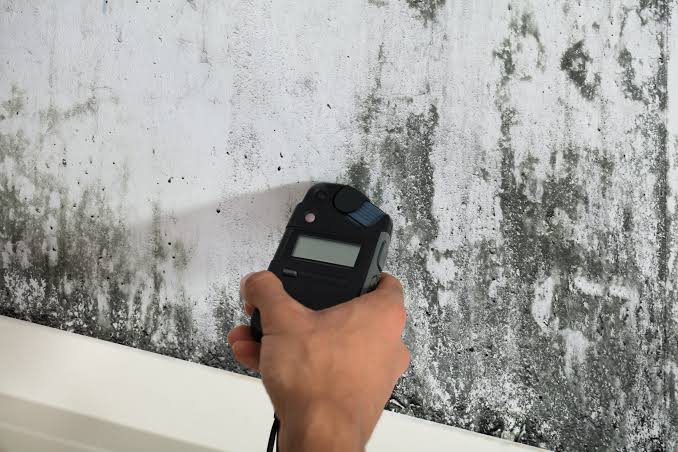
Mold Inspection in Key Biscayne is an important step in protecting your property from hidden moisture problems, persistent dampness, and potential mold growth. Whether you live in a waterfront residence, a family home, or a luxury condominium, identifying mold early can help prevent further property damage and determine whether professional remediation is necessary. PuroClean of Coral Gables helps property owners address mold and moisture concerns with professional property restoration services. If you suspect mold in your home, call (305) 894-4343.
Key Biscayne offers an attractive coastal lifestyle, but living close to the ocean also comes with environmental challenges. High humidity, heavy rainfall, tropical storms, and occasional flooding can create conditions that allow mold to develop indoors.
The frustrating part is that mold does not always appear as obvious black or green patches on a wall. It can grow behind drywall, beneath flooring, inside cabinets, around air conditioning systems, and in other areas that homeowners rarely inspect.
So, how do you know when your property needs a mold inspection? What does a professional inspection involve, and when should you consider remediation?
This guide answers these questions and explains what Key Biscayne homeowners should know about identifying and addressing indoor mold problems.
1. Why Is Mold Inspection Important for Key Biscayne Homes?
Key Biscayne’s coastal environment makes moisture management an important part of property maintenance.
Warm temperatures and high outdoor humidity can contribute to indoor moisture problems, especially when ventilation is inadequate or air conditioning systems are not functioning properly.
Water intrusion from roof leaks, plumbing failures, and storm-related flooding can make the situation worse.
A professional Mold Inspection in Key Biscayne helps investigate potential mold problems, identify moisture sources, and determine whether affected areas require further attention.
Some common reasons homeowners arrange a mold inspection include:
- Persistent musty smells inside the property.
- Water stains on ceilings, walls, or floors.
- Previous flooding or plumbing leaks.
- Visible mold around windows, bathrooms, or air conditioning units.
- Condensation around doors and windows.
- Recurring moisture problems despite regular cleaning.
- Recent hurricane or storm damage.
An inspection is particularly useful when there are signs of moisture damage but no obvious explanation.
For example, a bedroom may have a persistent musty smell even though the walls look clean. The underlying issue could involve moisture trapped behind drywall or beneath the flooring.
A thorough Mold Inspection in Key Biscayne helps investigate these concerns before they develop into more extensive property problems.
2. Seven Warning Signs Your Key Biscayne Home May Need a Mold Inspection
Mold is not always easy to identify. Sometimes, the first indication is a smell or a small patch of discolouration that homeowners dismiss as ordinary dirt or condensation.
Knowing what to look for can help you recognise a potential problem early.
1. Persistent Musty or Earthy Odours
One of the most common warning signs of indoor mold is a persistent musty smell.
You may notice it when entering a bedroom, opening a closet, or walking into a bathroom. Sometimes, the smell becomes stronger when the air conditioning is switched off or after periods of heavy rainfall.
If the odour continues despite regular cleaning, consider investigating possible hidden moisture.
A Mold Inspection in Key Biscayne can help identify areas that may require further investigation.
2. Dark Spots on Walls and Ceilings
Mold can appear in different colours, including black, green, white, grey, and brown.
You may notice patches around ceiling corners, window frames, bathroom walls, or areas previously affected by leaks.
However, not every dark stain is mold. Water damage, dirt, and other surface conditions can look similar.
A proper evaluation can help determine what is happening and whether professional remediation is necessary.
3. Previous Water Damage or Flooding
Has your property experienced flooding, a burst pipe, or a roof leak recently?
Even after visible water has been removed, moisture can remain inside drywall, insulation, carpets, and wooden structures.
The Florida Department of Health explains that mold can develop when moisture remains in building materials.
This is why Mold Inspection in Key Biscayne is worth considering after significant water damage, particularly when drying was delayed or the affected areas were not properly assessed.
4. Condensation Around Windows and Doors
Condensation may seem harmless, especially in coastal homes where indoor and outdoor temperatures differ.
However, repeated condensation can leave surfaces damp and create conditions that support mold growth.
Pay attention to window frames, sliding glass doors, closets near exterior walls, and poorly ventilated spaces.
If condensation keeps returning, investigate the underlying humidity or ventilation problem.
5. Peeling Paint and Bubbling Wallpaper
Paint that begins peeling, bubbling, or separating from the wall may indicate moisture trapped underneath.
This is particularly concerning when the affected area is near plumbing, windows, ceilings, or exterior walls.
A Mold Inspection in Key Biscayne can help investigate whether hidden moisture is contributing to the deterioration.
Simply repainting the area without addressing the moisture source may allow the problem to return.
6. Mold Around Air Conditioning Systems
Air conditioning is essential for comfort in South Florida, but poorly maintained systems can contribute to indoor moisture problems.
Clogged condensate drain lines, overflowing drain pans, and condensation around cooling equipment can introduce unwanted moisture.
Check around your indoor air handling unit, drain lines, and nearby walls for water stains or persistent dampness.
If you suspect mold contamination inside an HVAC system, seek an appropriate professional assessment before using the affected equipment.
7. Recurring Mold Despite Regular Cleaning
Have you repeatedly cleaned a patch of mold only to see it return?
This often suggests that the underlying moisture problem has not been resolved.
For example, cleaning visible growth around a bathroom window will not solve a leaking pipe inside the wall.
A professional Mold Inspection in Key Biscayne can help investigate recurring problems and identify areas that may need more attention.
3. Where Does Hidden Mold Commonly Grow in Key Biscayne Properties?
Mold does not need an obvious leak or a flooded room to develop. It can grow in places that receive little attention during routine household cleaning.
For Key Biscayne homeowners, certain areas deserve closer attention because of coastal humidity, air conditioning use, and potential storm-related moisture.
Here are some common locations.
Behind drywall: Leaking pipes and moisture entering through exterior walls can create favourable conditions for mold behind wall surfaces.
Under carpets and flooring: Water can become trapped beneath carpet padding, hardwood floors, and other flooring materials.
Inside kitchen and bathroom cabinets: Leaking plumbing connections and poor ventilation can leave cabinet interiors damp.
Attics and roof spaces: Roof leaks, inadequate ventilation, and condensation can contribute to moisture accumulation.
Around windows and sliding doors: Repeated condensation and rainwater intrusion can create damp areas around frames and surrounding materials.
HVAC systems and air handling units: Drain pans, evaporator coils, and drain lines can develop moisture problems that require attention.
Closets and storage rooms: Poor airflow, damp clothing, and moisture against exterior walls can contribute to mold growth.
A detailed Mold Inspection in Key Biscayne should consider these less obvious areas when there are signs of moisture or persistent musty odours.
4. What Happens During a Professional Mold Inspection?

Many homeowners are unsure what to expect when arranging a mold inspection.
A professional evaluation should be guided by the property’s history, visible conditions, and any signs of moisture damage.
Depending on the circumstances, the process may involve several steps.
Reviewing the Property’s History
The inspection begins with understanding the property’s moisture history.
Questions may include:
- Has the property experienced flooding?
- Have there been previous plumbing leaks?
- Are there recurring roof leaks?
- Has mold appeared in the same area before?
- Have you noticed persistent musty smells?
This information helps identify areas that may require closer examination.
Visual Inspection
The inspector examines areas where mold or moisture problems may be present.
This may include walls, ceilings, bathrooms, kitchens, closets, windows, attics, and areas around HVAC equipment.
Visible mold, water stains, damaged materials, and condensation are important observations.
Moisture Detection
Moisture meters and other appropriate inspection tools can help identify damp materials that do not appear wet on the surface.
Depending on the situation, additional investigation may be needed behind walls or beneath flooring.
Mold Sampling When Necessary
Not every suspected mold problem requires laboratory testing.
The Florida Department of Health does not recommend routine mold sampling when visible mold is already present. There are also no established health-based standards for interpreting typical indoor mold sampling results.
However, a qualified professional may recommend sampling in specific circumstances when it serves a clear purpose.
Findings and Recommended Next Steps
After the assessment, the property owner should understand the findings and what needs to happen next.
Recommendations may include repairing leaks, improving ventilation, drying affected materials, removing damaged materials, or arranging professional mold remediation.
A thorough Mold Inspection in Key Biscayne should help property owners understand the moisture problem rather than simply provide a list of mold locations.
5. Is Mold Testing the Same as Mold Inspection?
These terms are often used interchangeably, but they do not mean exactly the same thing.
Mold inspection generally refers to evaluating a property for visible mold, moisture problems, water damage, and conditions that may support mold growth.
Mold testing involves collecting samples, such as air or surface samples, for laboratory analysis.
Testing may help answer specific questions about suspected contamination, but it is not automatically necessary whenever mold is suspected.
For instance, if you can already see mold growing on a water-damaged wall, identifying the exact species may not change the need to address the growth and correct the moisture problem.
The Florida Department of Health’s mold guidance explains why visual investigation and moisture control are important.
When arranging a Mold Inspection in Key Biscayne, ask why testing is being recommended and what the results will help determine.
This helps prevent unnecessary testing and keeps attention on resolving the actual problem.
6. Why Mold Problems Can Be Particularly Challenging in Key Biscayne
Key Biscayne’s coastal setting makes moisture management an important consideration for homeowners.
Properties in the area may experience prolonged humidity, heavy rainfall, tropical storms, and occasional flooding.
These conditions can affect different parts of a home in several ways.
Coastal Humidity
Warm, humid air can introduce moisture into indoor environments, particularly when air conditioning and ventilation are not properly managed.
Keeping indoor relative humidity below 60%, ideally around 30% to 50%, can help discourage mold growth.
Storm-Related Water Intrusion
Heavy rainfall and tropical storms can damage roofs, windows, and exterior walls.
Even small openings can allow water to enter and affect building materials.
After significant storms, a Mold Inspection in Key Biscayne may help investigate moisture concerns that are not immediately visible.
Waterfront Property Considerations
Homes close to Biscayne Bay and the Atlantic coastline may experience additional exposure to coastal weather and flooding.
Water intrusion can affect ground-level rooms, garages, storage spaces, and exterior-facing walls.
Luxury Finishes and Custom Interiors
Many Key Biscayne properties feature hardwood flooring, custom cabinetry, premium upholstery, and specialised interior finishes.
Moisture damage involving these materials may require careful assessment to determine what can be restored and what needs replacement.
For these reasons, Mold Inspection in Key Biscayne should take the property’s construction, location, and moisture history into account.
7. What Happens If Mold Is Found During an Inspection?
Finding mold does not automatically mean that an entire room or property needs to be demolished.
The appropriate response depends on the extent of growth, the affected materials, and the source of moisture.
A typical response may involve the following:
- Identify the moisture source: Determine whether the problem comes from plumbing, roof leaks, condensation, flooding, or another source.
- Correct the moisture problem: Repair leaks and address the conditions supporting mold growth.
- Determine the affected materials: Establish which surfaces and materials can be cleaned and which may need removal.
- Arrange appropriate remediation: Engage qualified professionals to remove mold and affected materials using suitable containment and cleaning procedures.
- Dry the affected areas: Ensure materials are properly dried to reduce the risk of recurring problems.
- Review the completed work: Confirm that the moisture source has been addressed and the affected areas have been appropriately restored.
The EPA recommends correcting moisture problems alongside mold cleanup. Simply removing visible mold without fixing the source of water can allow it to return.
You can read its guide to mold, moisture, and your home.
A Mold Inspection in Key Biscayne is an important part of understanding what action your property needs.
8. How to Prevent Mold Growth After an Inspection
Once a moisture problem has been identified and addressed, prevention becomes the next priority.
Key Biscayne homeowners can take several practical steps to reduce the likelihood of future mold growth.
- Control indoor humidity: Use air conditioning and dehumidifiers where necessary. Monitor humidity with a hygrometer.
- Repair leaks promptly: Do not ignore dripping pipes, roof leaks, or water entering through windows.
- Maintain HVAC equipment: Have air conditioning systems inspected and serviced regularly.
- Improve bathroom ventilation: Use exhaust fans that vent moisture outdoors.
- Dry wet materials quickly: The EPA recommends drying water-damaged areas and belongings within 24 to 48 hours when possible.
- Inspect after severe weather: Check ceilings, windows, exterior walls, and other vulnerable areas following heavy rainfall.
- Avoid covering mold: Painting or applying sealant over mold does not resolve the underlying problem.
These measures can help protect your property and reduce the likelihood of needing another Mold Inspection in Key Biscayne.
For more information, see the CDC’s recommendations for preventing indoor mold.
9. Choosing the Right Mold Inspection and Restoration Professionals
Choosing the right professional is just as important as recognising the warning signs.
Before arranging a Mold Inspection in Key Biscayne, consider the qualifications, experience, and scope of services being offered.
In Florida, mold assessors and mold remediators are regulated by the Department of Business and Professional Regulation.
For qualifying mold assessment and remediation work involving more than 10 square feet of mold growth, the relevant licensing requirements apply. Florida law also generally restricts a mold assessor or their company from performing remediation on a property they assessed within the previous 12 months, and restricts a remediator or their company from assessing a property they remediated within the previous 12 months, subject to statutory exceptions.
This separation is important because homeowners should have confidence that assessments and remediation recommendations are appropriately independent.
You can review the requirements through the Florida Department of Business and Professional Regulation and Florida Statutes, Chapter 468.
When selecting a professional, look for:
- Appropriate Florida licensing for the work being performed.
- Experience with residential moisture and mold problems.
- Clear inspection findings and recommendations.
- Proper moisture detection and assessment procedures.
- A clear explanation of any recommended testing.
- Appropriate remediation procedures where necessary.
For property owners looking for Mold Inspection in Key Biscayne, understanding these requirements can help avoid confusion and unnecessary expenses.
PuroClean of Coral Gables provides property restoration assistance to homeowners and businesses in the surrounding Miami area. The team can help discuss mold and moisture concerns, water damage, and appropriate restoration next steps. Where a formal independent mold assessment is required, homeowners should engage an appropriately licensed mold assessor.
Frequently Asked Questions About Mold Inspection in Key Biscayne
1. How do I know if my Key Biscayne home needs a mold inspection?
Common warning signs include persistent musty odours, visible mold, water stains, peeling paint, recurring condensation, and previous flooding. If you notice any of these problems, investigate the source of moisture and consider a professional evaluation.
2. How much does mold inspection cost in Key Biscayne?
The cost depends on the size of the property, the number of affected areas, the complexity of the investigation, and whether laboratory testing is required. Request a detailed quote before proceeding.
3. Can mold grow behind walls without being visible?
Yes. Mold can develop behind drywall, beneath flooring, and inside cabinets when moisture becomes trapped. Persistent musty odours and unexplained water stains may indicate hidden moisture problems.
4. Is mold testing always necessary?
No. The Florida Department of Health does not recommend routine mold testing when visible growth is already present. Testing may be useful in specific situations when it answers an important question that cannot be resolved through visual inspection and moisture investigation.
5. How quickly can mold grow after water damage?
Mold can begin growing within 24 to 48 hours under suitable conditions. The EPA recommends drying water-damaged materials within this timeframe whenever possible.
6. Does homeowners insurance cover mold inspection in Key Biscayne?
Coverage depends on your insurance policy, the cause of the moisture problem, and the circumstances surrounding the damage. Some policies may cover mold-related expenses resulting from a covered water damage event, subject to exclusions and limits. Contact your insurer for clarification.
7. What is the difference between mold removal and mold remediation?
Mold removal generally refers to physically cleaning or removing mold growth. Mold remediation is a broader process that may include containment, removal of contaminated materials, cleaning, moisture control, and steps to reduce the likelihood of recurrence.
8. Can air conditioning help prevent mold in Key Biscayne homes?
Yes. Properly functioning air conditioning can help control indoor humidity. However, leaking drain lines, clogged condensate systems, and poorly maintained equipment can introduce moisture and contribute to mold problems.
9. Should I leave my home if mold is discovered?
Not every mold problem requires leaving the property. However, extensive contamination, contaminated HVAC systems, or significant water damage may require restricted access during cleanup. People with asthma, mold allergies, or weakened immune systems should take additional precautions and consult a healthcare professional where necessary.
10. Who should I contact for mold and moisture problems in Key Biscayne?
For property restoration assistance, water damage concerns, and guidance on appropriate next steps, contact PuroClean of Coral Gables at (305) 894-4343. For a formal mold assessment, confirm that the assessor holds the appropriate Florida licence.
Protect Your Key Biscayne Property from Hidden Mold Problems
Mold problems are not always obvious. A persistent musty smell, a small water stain, or recurring condensation could indicate a moisture issue that deserves attention.
Mold Inspection in Key Biscayne helps property owners investigate these warning signs, understand the possible causes, and determine what action may be necessary to protect their homes.
From waterfront residences to family homes and luxury condominiums, addressing moisture problems early can help prevent further damage and reduce the risk of recurring mold growth.
If your property has experienced flooding, plumbing leaks, roof damage, or persistent dampness, do not ignore the warning signs.
PuroClean of Coral Gables provides professional property restoration assistance, including water damage restoration and mold remediation services, for homeowners and businesses in Coral Gables and surrounding Miami communities.
Concerned about mold or moisture damage in your property? Contact PuroClean of Coral Gables today.
24/7 Emergency Restoration Assistance
Call: (305) 894-4343
Get professional guidance on your property restoration needs and take the next step towards a cleaner, drier, and properly restored home.