Ceiling Water Damage in Key Biscayne can start with something as small as a faint brown stain, a little bubbling paint, or a damp patch that appears after heavy rainfall. However, what looks like a minor cosmetic issue could indicate a leaking roof, a damaged plumbing pipe, an overflowing air conditioning drain, or moisture trapped inside your ceiling.
For homeowners and property managers in Key Biscayne, addressing these problems quickly is particularly important. The area’s coastal climate, humidity, heavy rainfall, and exposure to tropical storms can increase the risk of moisture intrusion and water damage.
If you notice signs of ceiling water damage, PuroClean of Coral Gables provides professional water damage inspection, water extraction, structural drying, and restoration services. Our trained team is available 24/7 to help protect your property and prevent further damage. Call (305) 894-4343 for assistance.
This guide explains the common causes of ceiling water damage, warning signs to look out for, what to do when your ceiling gets wet, and how professional restoration can help.
Quick answer: Ceiling water damage in Key Biscayne is commonly caused by roof leaks, plumbing failures, air conditioning condensation, storm-related water intrusion, and overflowing appliances. Look for brown stains, peeling paint, bubbling drywall, sagging ceilings, musty odours, and visible mold. The best response is to identify the water source, address any immediate safety risks, and arrange professional water damage restoration before the problem spreads.
What Causes Ceiling Water Damage in Key Biscayne?
Understanding the source of a ceiling leak is the first step towards resolving it. Ceiling Water Damage in Key Biscayne can develop for several reasons, and identifying the cause helps determine the right restoration approach.
Here are some of the most common causes.
1. Roof Leaks and Damaged Roofing Materials
Roof leaks are among the most common causes of ceiling water damage in South Florida. Heavy rainfall, strong winds, tropical storms, and hurricanes can damage roofing materials, loosen flashing, or create openings that allow water to enter.
In Key Biscayne, properties are exposed to coastal weather conditions that can put additional pressure on roofing systems over time.
Water may enter through damaged shingles, roof membranes, flashing, vents, or poorly sealed roof penetrations. Once inside, it can travel along roof decking and structural components before appearing as a ceiling stain.
Even if the leak only happens during heavy rain, the moisture may remain trapped inside the ceiling long after the weather clears.
2. Plumbing Leaks Above the Ceiling
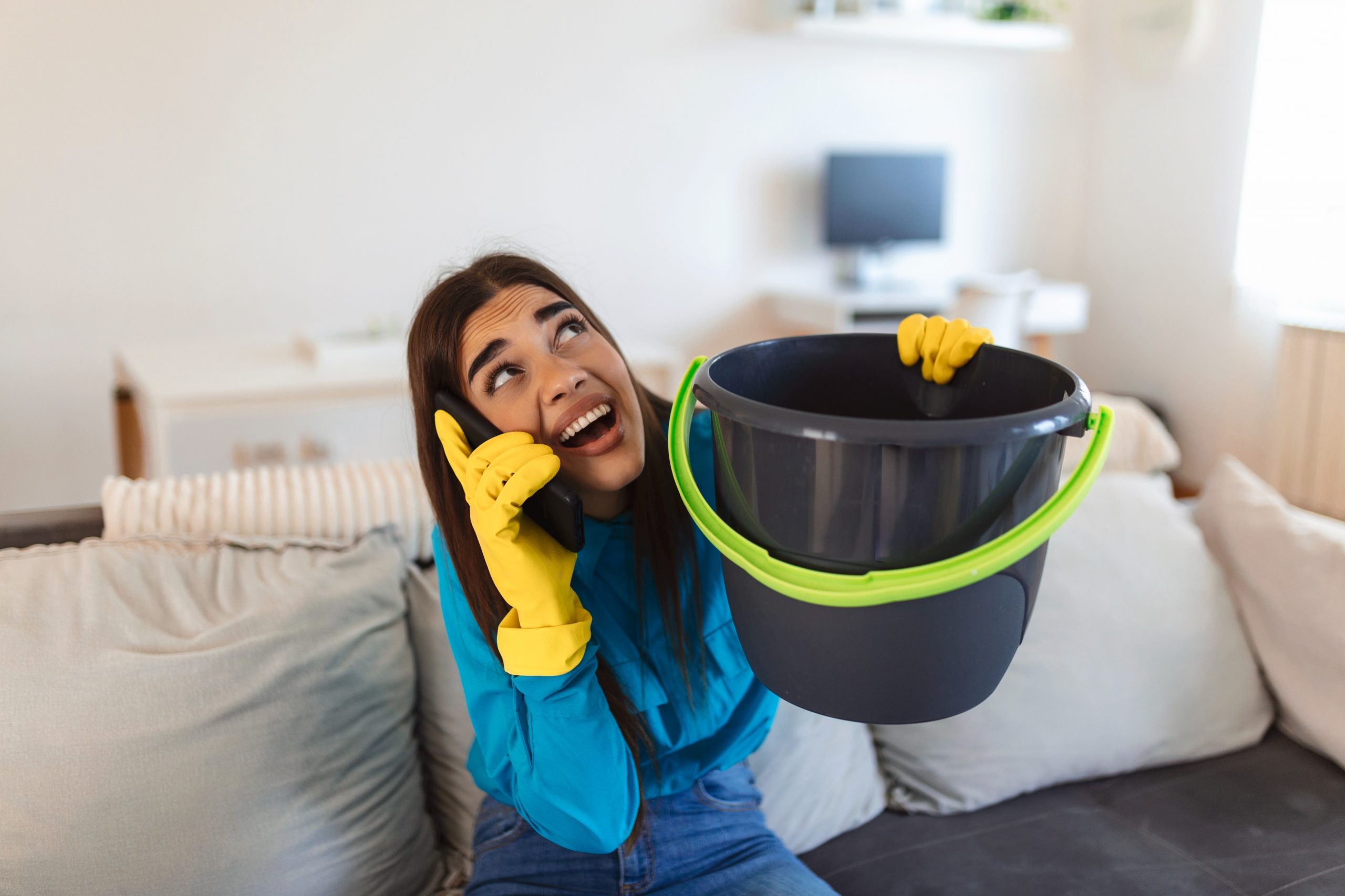
A leaking plumbing pipe can cause significant ceiling water damage in Key Biscayne homes, apartments, and condominiums.
Water supply lines, drainpipes, bathroom fixtures, and connections hidden behind walls or above ceilings can develop leaks due to corrosion, loose fittings, damaged seals, or general wear.
In multi-storey properties, a leaking bathroom, kitchen, or laundry room can affect the ceiling directly below it.
Sometimes, the first visible sign is a small brown stain. Other times, water begins dripping through light fixtures or ceiling joints.
Plumbing leaks should be investigated promptly because water can continue escaping inside the building even when there is no obvious surface damage.
3. Air Conditioning Condensation and Drain Line Problems
Air conditioning systems work hard in Key Biscayne because of South Florida’s warm temperatures and humidity.
As an AC system removes moisture from indoor air, condensation collects and drains through a condensate line. If the line becomes clogged, disconnected, or damaged, water can overflow from the drain pan and enter surrounding ceiling materials.
This is particularly concerning when air conditioning equipment or ductwork is installed in an attic or ceiling space.
Common warning signs include:
- Water stains around ceiling vents.
- Damp patches near air conditioning equipment.
- Dripping water when the AC is running.
- Peeling paint near ceiling registers.
- Musty smells coming from air vents.
Routine AC maintenance can help prevent these issues, but existing ceiling moisture may require professional water damage restoration.
4. Storm Damage and Heavy Rainfall
Key Biscayne’s coastal location makes storm preparedness an important part of property maintenance.
Tropical storms and hurricanes can bring intense rainfall, strong winds, and flying debris. These conditions may damage roofing systems, windows, exterior walls, and other parts of a building.
Even a small opening can allow rainwater to enter and spread through insulation, ceiling boards, and wooden framing.
For this reason, ceiling water damage in Key Biscayne may become noticeable hours or days after a storm has passed.
Property owners should inspect ceilings, upper walls, attic spaces, and areas around windows after significant rainfall.
5. Leaking Bathrooms and Appliances
Bathrooms and kitchens are also common sources of ceiling leaks.
A damaged shower pan, leaking bathtub drain, faulty toilet connection, overflowing washing machine, or dishwasher leak can allow water to seep into the floor structure.
In apartments and condominiums, this moisture may eventually appear on the ceiling of the unit below.
The problem can be difficult to identify because the water may travel away from its original source before becoming visible.
If you notice recurring ceiling water damage in Key Biscayne, investigate the plumbing and appliances above the affected area rather than focusing only on the visible stain.
7 Warning Signs of Ceiling Water Damage in Key Biscayne
Ceiling Water Damage in Key Biscayne does not always begin with water dripping from above. In many cases, the earliest warning signs are subtle.
Recognising them early can help prevent more extensive structural damage and expensive repairs.
1. Brown or Yellow Water Stains
Brown, yellow, or rust-coloured marks on a ceiling often indicate previous or ongoing water intrusion.
These stains may appear as small spots, irregular patches, or circular rings. They can become darker or larger when additional moisture enters the ceiling.
Do not assume an old-looking stain means the leak has stopped. The source may still be active.
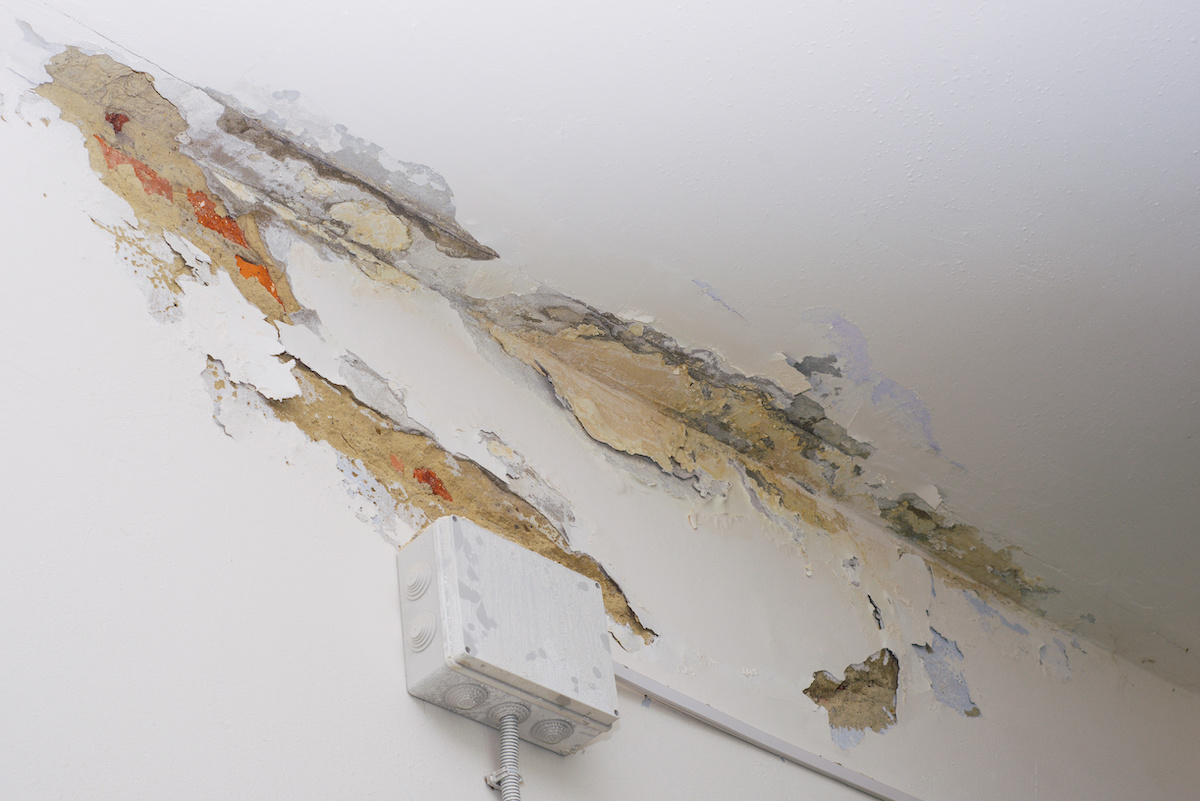
2. Peeling or Bubbling Paint
When moisture becomes trapped behind paint, the surface may begin to bubble, blister, crack, or peel.
This happens because water weakens the bond between the paint and the underlying ceiling material.
Although repainting may temporarily hide the appearance, it will not solve the underlying problem.
Before repainting, the moisture source must be corrected and the affected materials properly dried.
3. Sagging or Bulging Ceiling Sections
A sagging ceiling is one of the most serious warning signs of ceiling water damage in Key Biscayne.
Water can accumulate above drywall or plaster, increasing the material’s weight and weakening its structural support.
The ceiling may begin to bow, develop visible bulges, or show cracks along its joints.
Important: A bulging or sagging ceiling may collapse without warning. Keep people and pets away from the affected room. Do not puncture the bulge or attempt to remove the material yourself. Arrange a professional assessment.
4. Musty or Damp Odours
Sometimes, you can smell water damage before you see it.
A persistent musty smell may indicate moisture trapped inside ceiling cavities, insulation, drywall, or nearby wall spaces.
In Key Biscayne’s humid environment, hidden moisture deserves particular attention because it can create conditions that support mold growth.
If the odour continues even after cleaning the room, there may be an underlying moisture problem.
5. Visible Mold Growth
Mold may appear as small black, green, grey, or brown spots on ceilings and around ceiling corners.
It can also develop behind drywall, above ceiling tiles, and inside insulation where it is not immediately visible.
Mold growth is not simply a cosmetic concern. It indicates a moisture problem that needs to be addressed.
The CDC’s mold guidance explains that mold can grow on building materials when moisture is present, including drywall, ceiling tiles, and wood.
6. Cracks and Deteriorating Ceiling Materials
Water can weaken drywall, plaster, and other ceiling materials.
You may notice new cracks, flaking surfaces, crumbling plaster, or sections that appear uneven.
If these changes occur alongside water stains or dampness, ceiling water damage should be investigated.
7. Dripping Water or Damp Light Fixtures
Visible dripping is a clear indication that water has entered the ceiling structure.
Water may emerge through ceiling joints, recessed lighting, fans, or electrical fixtures.
This situation can create an electrical hazard.
Avoid touching wet fixtures or switches. If it is safe to do so, switch off power to the affected area at the breaker and contact a qualified electrician. Keep away from the room if water is actively entering electrical components.
How to Handle Ceiling Water Damage in Key Biscayne
When you discover a ceiling leak, your response can make a significant difference in the extent of the damage.
Here are practical steps to take.
Step 1: Protect People and Property
If the ceiling is sagging, bulging, or showing signs of possible collapse, leave the affected room immediately.
Move furniture, electronics, rugs, and other belongings away from the damaged area only if it is safe.
Do not stand beneath a visibly weakened ceiling.
Step 2: Identify and Stop the Water Source
If you suspect a plumbing leak, shut off the relevant water supply if you can safely access it.
For roof leaks, arrange for a qualified roofing professional to inspect the roof and prevent additional rainwater from entering.
If the air conditioning system is responsible, switch it off if safe and contact an HVAC technician.
Stopping the source is essential because restoration work will not be effective if water continues entering the property.
Step 3: Address Electrical Safety
Water and electricity are a dangerous combination.
If water is dripping through light fixtures, ceiling fans, or electrical outlets, avoid touching them.
Have a qualified electrician assess the affected circuits before restoring power.
Step 4: Document the Damage
Take photographs and videos of the affected ceiling, surrounding walls, furniture, and other damaged belongings.
Keep records of when the problem started and any steps taken to address it.
This documentation may help when discussing the damage with your insurance company.
FEMA provides useful advice on documenting damage and beginning necessary repairs after severe weather.
Step 5: Arrange Professional Water Damage Restoration
Drying a water-damaged ceiling involves more than wiping away visible moisture.
Water can remain trapped inside drywall, insulation, ceiling cavities, and wooden framing.
Professional restoration specialists can assess the affected areas, identify moisture, remove standing water where necessary, and use appropriate drying equipment to reduce moisture levels.
For significant ceiling water damage in Key Biscayne, professional restoration helps address the underlying problem rather than simply covering up visible signs.
The Professional Ceiling Water Damage Restoration Process
Professional ceiling water damage restoration involves several stages. The exact process depends on the source of the water, how long the materials have been wet, and the extent of the damage.
PuroClean of Coral Gables follows a structured restoration approach to help property owners recover from water-related damage.
1. Inspection and Damage Assessment
The first step is assessing the affected area.
Restoration professionals examine visible damage and use appropriate moisture detection equipment to identify damp materials that may not be visible.
For ceiling water damage in Key Biscayne, this may involve checking the ceiling, adjacent walls, insulation, flooring, and surrounding structural components.
Identifying how far the moisture has spread helps determine the restoration work required.
2. Water Removal and Moisture Extraction
If water has accumulated inside the ceiling or surrounding areas, it must be addressed promptly.
Depending on the situation, restoration specialists may use water extraction equipment and other appropriate methods to remove accumulated moisture.
This stage is particularly important when ceiling water damage in Key Biscayne follows a plumbing failure, roof leak, or storm-related water intrusion.
3. Structural Drying and Dehumidification
Removing visible water does not necessarily mean the property is dry.
Drywall, insulation, wood, and other building materials can retain moisture long after the surface appears dry.
Professional air movers and commercial dehumidifiers help circulate air and remove excess moisture.
Moisture measurements can also help determine whether affected materials have reached appropriate drying conditions.
The U.S. Environmental Protection Agency recommends drying wet materials quickly, ideally within 24 to 48 hours, to help prevent mold growth. Read its guidance on mold, moisture, and your home.
4. Removal of Damaged Materials
Some materials cannot be restored once they have sustained significant water damage.
For example, heavily saturated drywall, damaged ceiling tiles, and contaminated insulation may require removal and replacement.
This decision depends on the material, the extent of moisture exposure, and whether contamination or mold is present.
For ceiling water damage in Key Biscayne, removing affected materials may also be necessary to access hidden moisture inside ceiling cavities.
5. Mold Inspection and Remediation
Moisture that remains trapped in ceiling materials can create conditions favourable to mold growth.
If mold is discovered, the affected areas should be assessed and addressed appropriately.
Mold remediation may involve containing the affected area, removing contaminated porous materials where necessary, cleaning suitable surfaces, and addressing the underlying moisture source.
The EPA recommends professional assistance for extensive mold growth or situations involving significant water damage. Its mold cleanup guidance provides additional information.
6. Restoration and Repairs
Once the moisture problem has been resolved and the affected materials are appropriately dried or removed, the property can move towards reconstruction.
Depending on the extent of ceiling water damage in Key Biscayne, repairs may involve:
- Replacing damaged drywall or ceiling boards.
- Installing new insulation where required.
- Repairing affected ceiling sections.
- Preparing surfaces for painting.
- Repainting restored areas.
- Addressing damage to nearby walls and finishes.
The goal is to return the affected space to a safe, functional, and presentable condition.
Why Ceiling Water Damage Is a Particular Concern in Key Biscayne
Key Biscayne has environmental characteristics that make moisture management especially important for property owners.
Coastal Weather and Heavy Rainfall
Properties in Key Biscayne experience South Florida’s rainy seasons, tropical storms, and occasional hurricanes.
Wind-driven rain can enter through vulnerable roofing materials, poorly sealed windows, and exterior openings.
Even when a property does not experience direct flooding, water can still enter through the roof and cause ceiling water damage in Key Biscayne.
High Humidity and Mold Concerns
Humidity is another important consideration.
When damp ceiling materials are left untreated, moisture may remain trapped inside the building.
This can contribute to mold growth, particularly in poorly ventilated spaces.
The Florida Department of Health’s mold guidance recommends controlling indoor humidity and addressing leaks promptly.
Condominiums and Multi-Storey Buildings
Key Biscayne has residential properties where plumbing systems, bathrooms, kitchens, and air conditioning equipment may be located above occupied rooms.
A leak originating in one unit can affect another unit below it.
For condominium owners and property managers, quick communication and coordinated restoration are important to prevent damage from spreading between units.
Salt Air and Long-Term Property Maintenance
Coastal environments expose buildings to salt-laden air, which can contribute to corrosion of certain metal components over time.
Roofing connections, flashing, and other vulnerable building components should be inspected and maintained regularly.
Addressing small maintenance issues can help reduce the risk of future ceiling water damage in Key Biscayne.
How to Prevent Ceiling Water Damage in Key Biscayne
Although not every leak can be prevented, regular maintenance can significantly reduce the likelihood of serious water damage.
Consider these practical measures:
1. Inspect your roof regularly. Look for damaged shingles, deteriorating flashing, loose roofing materials, and other potential entry points for rainwater.
2. Maintain your air conditioning system. Have condensate drain lines, drain pans, and other components inspected and cleaned to reduce the risk of overflow.
3. Check plumbing connections. Pay attention to bathrooms, kitchens, washing machines, water heaters, and pipes running above ceilings.
4. Monitor indoor humidity. Use a humidity monitor and maintain indoor relative humidity below 60% where possible. The EPA recommends an ideal range of 30% to 50%.
5. Inspect ceilings after heavy rainfall. Look for fresh stains, peeling paint, damp corners, and unusual odours.
6. Address small leaks immediately. A minor plumbing or roof leak can become a much bigger restoration problem when ignored.
7. Check properties before and after extended absences. If you own a vacation property or rental in Key Biscayne, arrange periodic inspections, especially during hurricane season.
Preventive maintenance is often less expensive and disruptive than dealing with extensive ceiling water damage in Key Biscayne.
Why Choose PuroClean of Coral Gables for Ceiling Water Damage Restoration in Key Biscayne?
When water damage affects your ceiling, you need a restoration team that understands the urgency of the situation.
PuroClean of Coral Gables provides professional property restoration services for residential and commercial properties in Key Biscayne and surrounding South Florida communities.
Our team understands that ceiling water damage can affect more than the appearance of your property. It can damage building materials, affect indoor conditions, and disrupt everyday activities.
Here’s why property owners can turn to PuroClean of Coral Gables:
- 24/7 emergency response: Water damage can happen at any time. Our team is available around the clock to respond to restoration needs.
- Professional assessment: We assess visible damage and investigate moisture-affected areas to help determine the necessary restoration work.
- Water damage restoration: We provide water damage restoration solutions to address moisture and affected building materials.
- Structural drying: Appropriate drying equipment helps remove excess moisture from affected areas.
- Mold remediation: We provide mold-related restoration services when moisture problems result in mold contamination.
- Residential and commercial services: We assist homeowners, property managers, and businesses dealing with property damage.
Whether you are dealing with a leaking ceiling after heavy rainfall, a burst pipe, or an overflowing AC drain, PuroClean of Coral Gables is ready to help.
We also serve surrounding communities, including Coral Gables, South Miami, Doral, West Miami, and Westchester.
If you notice ceiling water damage in Key Biscayne, do not wait until the stains become larger or the ceiling begins to sag.
Call PuroClean of Coral Gables today at (305) 894-4343. We are available 24/7 to help you take the next step towards restoring your property.
Frequently Asked Questions About Ceiling Water Damage in Key Biscayne
1. What is the most common cause of ceiling water damage in Key Biscayne?
Common causes include roof leaks, plumbing failures, clogged AC condensate drain lines, overflowing appliances, and storm-related water intrusion. Identifying the source is essential because the correct restoration approach depends on what caused the leak.
2. How do I know if my ceiling has water damage?
Look for brown or yellow stains, bubbling paint, peeling surfaces, sagging drywall, visible mold, and persistent musty odours. Water dripping through ceiling fixtures is another warning sign that requires immediate attention.
3. Can a water-damaged ceiling collapse?
Yes. When drywall or plaster absorbs too much water, it becomes heavier and weaker. A bulging or sagging ceiling may collapse without warning. Keep people away from the affected area and arrange a professional inspection.
4. How quickly should ceiling water damage be addressed?
You should address ceiling water damage as soon as possible. Delaying repairs allows moisture to spread into surrounding materials and increases the possibility of mold growth. The EPA recommends drying wet materials within 24 to 48 hours where possible.
5. Does ceiling water damage always mean there is a roof leak?
No. Although roof leaks are a common cause, plumbing pipes, bathrooms, air conditioning systems, and household appliances can also cause ceiling water damage. A proper inspection can help identify the source.
6. Can I paint over a water-damaged ceiling?
Painting over a water stain without addressing the underlying problem is not recommended. The water source must first be repaired, affected materials dried, and any mold appropriately addressed. Otherwise, the stain may return and the damage may continue.
7. Does homeowner’s insurance cover ceiling water damage?
Coverage depends on your policy and the circumstances surrounding the damage. Some sudden and accidental water damage may be covered, while gradual leaks, maintenance issues, or certain flood-related losses may be excluded or subject to separate coverage. Contact your insurance provider to understand your specific policy.
8. How long does ceiling water damage restoration take?
The timeline depends on the extent of the damage, the materials affected, and how long they have been exposed to moisture. Some drying projects may take several days, while extensive damage requiring material removal and reconstruction can take longer.
9. Does PuroClean of Coral Gables provide ceiling water damage restoration in Key Biscayne?
Yes. PuroClean of Coral Gables provides professional water damage restoration services for properties in Key Biscayne. Our services include water removal, moisture assessment, structural drying, and related restoration solutions. Call (305) 894-4343 for 24/7 assistance.
Get Professional Help for Ceiling Water Damage in Key Biscayne
Ceiling Water Damage in Key Biscayne should never be ignored, even when the visible signs appear minor. A small brown stain, peeling paint, or musty smell could indicate a much larger moisture problem hidden above your ceiling.
The most important steps are to identify the source of the water, address immediate safety concerns, and ensure affected materials are properly dried and restored.
For homeowners, condominium associations, property managers, and business owners in Key Biscayne, professional restoration can help prevent further damage and protect the condition of your property.
PuroClean of Coral Gables is ready to help. Our team provides professional water damage restoration, structural drying, and mold remediation services to help restore properties affected by unexpected water damage.
Don’t let a small ceiling leak turn into a major restoration project.
Available 24/7. Contact PuroClean of Coral Gables today.