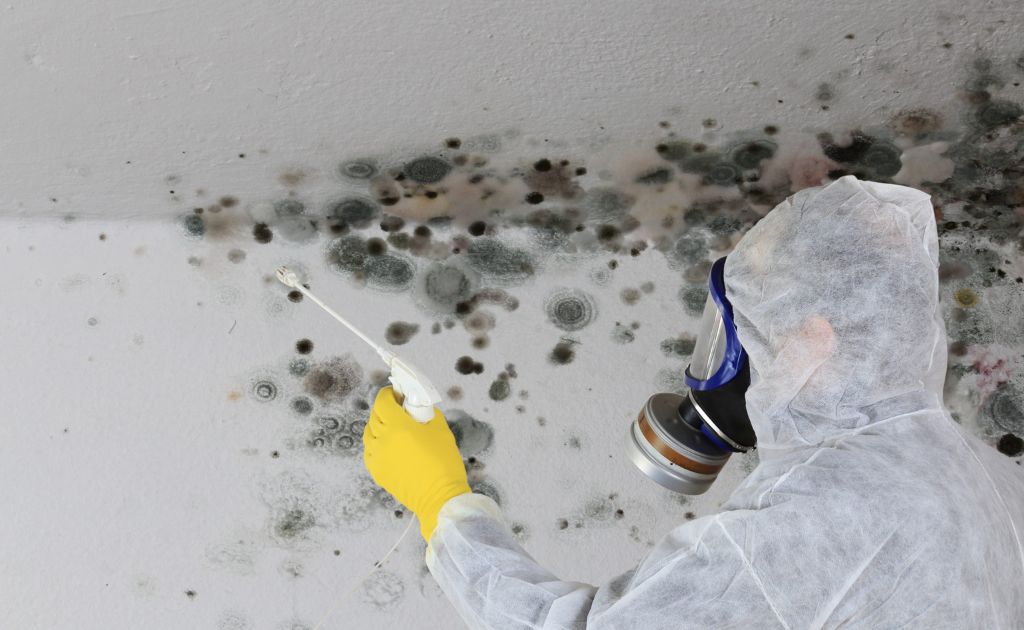
Mold can develop inside your home without you noticing until it becomes a much bigger problem. A small plumbing leak, persistent roof moisture, air conditioning condensation, or water intrusion after heavy rainfall can create the conditions mold needs to grow. By the time you notice a musty smell, dark patches, or peeling paint, mold may already be spreading behind walls, beneath flooring, or inside ceilings.
Mold Remediation in Pinecrest involves identifying moisture problems, assessing affected areas, containing mold where necessary, removing contaminated materials, and addressing the conditions that allow mold to grow. It is not simply about wiping away visible mold. The underlying moisture problem must also be corrected to prevent recurrence.
For homeowners in Pinecrest, Florida, mold prevention deserves particular attention. South Florida’s warm temperatures, high humidity, frequent rainfall, and seasonal storms can make it difficult to keep indoor spaces completely dry.
At PuroClean of Coral Gables, we understand how frustrating mold problems can be for property owners. Our professional restoration team provides mold remediation and property restoration services to help homeowners and businesses address mold-related damage and restore affected spaces.
Whether you have discovered mold following a water leak, noticed persistent musty odors, or suspect hidden mold inside your property, getting professional assistance early can help prevent the problem from becoming more extensive.
In this guide, we explore the common causes of mold in Pinecrest homes, warning signs to watch for, how professional remediation works, and practical ways to protect your property.
1. Why Is Mold a Common Problem in Pinecrest, Florida?
Pinecrest is known for its beautiful homes, mature landscaping, tree-lined streets, and spacious residential properties. However, the local climate presents some challenges when it comes to controlling indoor moisture.
South Florida experiences warm weather, high humidity, heavy rainfall, and seasonal tropical storms. These conditions can contribute to moisture accumulation inside homes, particularly when roofs, plumbing systems, windows, or air conditioning equipment develop problems.
Here are some common reasons mold develops in Pinecrest properties:
- High indoor humidity: Excessive humidity can create favorable conditions for mold growth, especially in rooms with poor ventilation.
- Heavy rainfall: Persistent or intense rainfall can expose weaknesses in roofing, windows, drainage systems, and exterior walls.
- Hurricane and storm damage: Damaged roofs, broken windows, and water intrusion can leave building materials damp.
- Air conditioning problems: Clogged AC condensate drain lines, overflowing drain pans, and condensation can introduce unwanted moisture.
- Plumbing leaks: Hidden leaks beneath sinks, behind walls, and around bathrooms can create long-term damp conditions.
- Poor ventilation: Bathrooms, kitchens, laundry rooms, and enclosed storage spaces can retain moisture when ventilation is inadequate.
The Florida Department of Health explains that controlling moisture is essential to preventing indoor mold problems.
For Pinecrest homeowners, professional Mold Remediation in Pinecrest may become necessary when moisture problems have already resulted in visible or hidden mold growth.
2. Seven Warning Signs of Hidden Mold in Your Pinecrest Home
One of the biggest challenges with mold is that it does not always grow in obvious places. Mold can develop behind walls, underneath flooring, inside cabinets, and around air conditioning systems.
Knowing what to look for can help you identify a potential problem before it spreads.
1. Persistent musty odors
A damp, earthy smell that remains even after cleaning may indicate hidden mold. Pay attention to rooms that smell musty whenever the air conditioning is switched off or after heavy rainfall.
2. Dark spots on walls and ceilings
Black, green, gray, or brown patches may indicate mold growth. These spots commonly appear around windows, bathrooms, ceilings, and areas affected by leaks.
3. Peeling paint and bubbling walls
Moisture trapped behind painted surfaces can cause paint to bubble, crack, or peel. Wallpaper may also begin separating from the wall.
4. Water stains and discoloration
Yellow or brown ceiling stains, particularly beneath bathrooms or roof sections, may indicate an ongoing or previous moisture problem.
5. Warped flooring and damp carpets
Wooden flooring may swell or buckle when exposed to moisture. Carpets can also retain water underneath their surfaces, creating conditions that encourage mold growth.
6. Condensation around windows and air conditioning vents
Frequent condensation may indicate excessive indoor humidity or an underlying ventilation issue.
7. Recurring mold after cleaning
If mold keeps returning to the same location, simply cleaning the visible surface may not solve the problem. There could be an unresolved leak or moisture trapped behind the affected material.
If you notice these warning signs, consider arranging professional Mold Remediation in Pinecrest to identify the source of moisture and determine the extent of the problem.
3. What Causes Hidden Mold Growth in Pinecrest Homes?
Mold spores are naturally present in the environment. They become a problem indoors when they encounter moisture and suitable surfaces on which to grow.
Several everyday household problems can create these conditions.
Undetected plumbing leaks
A slow leak behind a bathroom wall or beneath a kitchen sink can go unnoticed for weeks. During that time, moisture may accumulate inside cabinets, drywall, and nearby building materials.
Roof leaks
Damaged roofing materials, deteriorated flashing, and poorly sealed roof penetrations can allow rainwater into attics and ceilings.
Air conditioning condensation
Air conditioning systems work continuously in South Florida. When condensate drain lines become blocked or drain pans overflow, water can accumulate around the equipment and nearby surfaces.
Previous water damage
A property that experienced flooding, a burst pipe, or an appliance leak may develop mold if the affected materials were not dried properly.
Poor bathroom ventilation
Hot showers create moisture. Without adequate ventilation, that moisture can settle on walls, ceilings, and other surfaces.
Storm-related water intrusion
Heavy rainfall and tropical storms can introduce water through damaged windows, roofs, exterior walls, and other vulnerable areas.
The important thing to remember is that mold growth is usually connected to a moisture problem. Effective Mold Remediation in Pinecrest must address the source of that moisture rather than simply removing visible discoloration.
4. How Professional Mold Remediation in Pinecrest Works
Professional mold remediation involves more than applying a cleaning product to affected surfaces. The process should address the mold, protect unaffected areas, and correct the moisture conditions responsible for the growth.
Although the exact approach depends on the property, the process generally includes these stages.
Step 1: Inspection and assessment
The restoration team examines the affected areas to identify visible mold, signs of moisture intrusion, and materials that may have been damaged.
Moisture detection equipment can help identify damp areas behind surfaces or beneath flooring.
Step 2: Identifying the moisture source
Before remediation can be considered complete, the underlying moisture problem must be addressed.
This may involve repairing a plumbing leak, correcting an air conditioning drainage issue, or arranging repairs to a damaged roof.
Step 3: Containment of affected areas
Depending on the extent and location of the mold, professionals may establish containment measures to limit the spread of mold spores and dust into unaffected parts of the property.
Step 4: Mold removal
Affected materials are cleaned or removed depending on their condition and whether they can be properly restored.
Non-porous surfaces may often be cleaned, while heavily contaminated porous materials such as drywall, insulation, or carpet padding may require removal and replacement.
Step 5: Cleaning and drying
The affected area is cleaned, and remaining moisture is addressed using appropriate drying methods.
Air movers and dehumidification equipment may be used where necessary.
Step 6: Restoration and repairs
After the remediation work is completed, damaged building materials may need to be replaced. This can include drywall, insulation, flooring, and other affected components.
Professional Mold Remediation in Pinecrest aims to eliminate existing mold growth, correct moisture problems, and help restore the affected areas to a suitable condition.
For additional guidance, homeowners can consult the EPA’s mold cleanup recommendations.
5. Why You Should Never Ignore Mold in Your Home
Mold is not just an appearance problem. When it develops indoors, it can affect building materials, indoor air quality, and the comfort of people living in the property.
According to the Centers for Disease Control and Prevention (CDC), exposure to damp and moldy environments can cause health effects in some people.
Potential concerns include:
- Allergic reactions: Some people may experience sneezing, nasal congestion, skin irritation, and itchy or watery eyes.
- Respiratory irritation: Exposure to mold can irritate the nose, throat, and lungs.
- Asthma symptoms: Damp and moldy environments can trigger or worsen asthma symptoms in susceptible individuals.
- Damage to building materials: Mold can gradually damage drywall, wooden structures, insulation, carpets, and other materials.
- Persistent unpleasant odors: Mold growth can create musty smells that affect the comfort of indoor spaces.
People with asthma, mold allergies, weakened immune systems, or certain chronic respiratory conditions may be more vulnerable to problems associated with mold exposure.
This is why professional Mold Remediation in Pinecrest should not be postponed when mold growth is discovered.
Avoid disturbing extensive mold growth yourself. Painting over affected surfaces or using household air fresheners will not resolve the underlying problem.
6. How Quickly Can Mold Develop After Water Damage?
One of the biggest mistakes homeowners make is assuming that a property is safe once visible water has been removed.
Unfortunately, water can remain trapped inside building materials long after floors and surfaces appear dry.
Under suitable conditions, mold can begin growing within 24 to 48 hours after water intrusion.
This is particularly important in Pinecrest, where warm temperatures and humid conditions can make moisture management challenging.
After a water damage incident, mold may develop in:
- Drywall and insulation.
- Wooden flooring and subflooring.
- Carpet padding and upholstered furniture.
- Kitchen and bathroom cabinets.
- Ceiling materials and attic spaces.
- Areas surrounding air conditioning systems.
The EPA recommends drying wet areas and materials within 24 to 48 hours to help prevent mold growth.
If your Pinecrest property has experienced flooding, a burst pipe, or a roof leak, arrange professional water damage restoration promptly.
Where mold has already developed, Mold Remediation in Pinecrest may be necessary to address the affected materials and prevent further damage.
7. How to Prevent Mold Growth in Your Pinecrest Home
Preventing mold is largely about controlling moisture. While you cannot eliminate every mold spore from your home, you can reduce the conditions that allow mold to grow.
Here are seven practical ways to protect your property.
1. Keep indoor humidity under control
Aim to maintain indoor relative humidity below 60%, ideally between 30% and 50% where practical. Use your air conditioning system or a dehumidifier when necessary.
2. Maintain your air conditioning system
Have your AC system serviced regularly. Clean or replace filters as recommended, and ensure condensate drain lines are clear.
3. Repair plumbing leaks immediately
Do not ignore dripping faucets, leaking pipes, or damp cabinets. Even small leaks can create long-term moisture problems.
4. Inspect your roof regularly
Look for damaged shingles, deteriorating flashing, and other potential entry points for rainwater.
5. Improve bathroom and kitchen ventilation
Use exhaust fans when showering and cooking. Make sure moisture is properly vented outside.
6. Keep gutters and drainage areas clear
Remove leaves and debris that may prevent rainwater from draining properly. Check that water is directed away from your home’s foundation.
7. Investigate musty smells and water stains
Do not cover stains with fresh paint or ignore persistent odors. Find out where the moisture is coming from and address the problem.
These preventive measures can reduce the likelihood of needing extensive Mold Remediation in Pinecrest in the future.

8. How Much Does Mold Remediation Cost in Pinecrest, FL?
The cost of Mold Remediation in Pinecrest varies depending on the size of the affected area, the location of the mold, the materials involved, and the amount of restoration work required.
There is no fixed price for every property because a small mold problem around a bathroom window is very different from extensive growth behind several walls.
Some important factors that influence remediation costs include:
- Size of the affected area: Larger mold-affected spaces generally require more labor, materials, and equipment.
- Location of mold: Mold behind walls, beneath flooring, or inside ceilings may require additional investigation and material removal.
- Extent of moisture damage: Properties with ongoing leaks or extensive water damage may require additional restoration work.
- Type of affected materials: Porous materials such as drywall, insulation, and carpet padding may need to be removed and replaced.
- Containment requirements: Extensive mold growth may require additional protective measures to limit the spread of mold spores.
- Reconstruction: Replacing drywall, flooring, insulation, and other damaged materials can increase the overall project cost.
The best way to understand the potential cost is to arrange a professional assessment.
If you suspect mold in your home or business, PuroClean of Coral Gables can help you determine the appropriate restoration approach.
9. Why Choose PuroClean of Coral Gables for Mold Remediation in Pinecrest?
Discovering mold in your home can be overwhelming, especially when you are unsure how far it has spread or what caused it.
Having the right restoration team makes the process easier to manage.
PuroClean of Coral Gables provides professional property restoration services to homeowners and businesses in Pinecrest and surrounding South Florida communities.
Here is why property owners can turn to our team:
- 24/7 emergency availability: Water damage and other property emergencies do not always happen during business hours. Our team is available around the clock.
- Professional mold remediation: We help address mold-related property damage using appropriate restoration procedures.
- Water damage restoration: Since moisture is a major contributor to mold growth, we also provide water damage restoration services.
- Comprehensive property restoration: Our services include water damage restoration, fire damage restoration, mold remediation, and biohazard cleanup.
- Local service coverage: Based in Coral Gables, we serve Pinecrest and surrounding South Florida communities.
- Commitment to property recovery: We understand the importance of helping homeowners protect their properties and return affected spaces to a suitable condition.
Whether you have discovered mold after a plumbing leak, experienced water intrusion during a storm, or noticed persistent moisture around your air conditioning system, our team is ready to help.
When you need dependable Mold Remediation in Pinecrest, contact PuroClean of Coral Gables.
Frequently Asked Questions About Mold Remediation in Pinecrest
1. How do I know if my Pinecrest home needs mold remediation?
Common warning signs include visible mold patches, persistent musty odors, peeling paint, water stains, damp carpets, and recurring mold growth. If you suspect hidden mold behind walls or ceilings, arrange a professional assessment.
2. How long does mold remediation take?
The timeline depends on the size of the affected area, the materials involved, and the extent of the moisture damage. Smaller projects may take a few days, while extensive mold problems requiring demolition and reconstruction can take longer.
3. Can mold grow in my home even if I cannot see a leak?
Yes. Mold can develop because of condensation, high indoor humidity, air conditioning drainage problems, and hidden plumbing leaks. Moisture may accumulate behind walls or beneath flooring without creating obvious signs of a leak.
4. Does mold always have a musty smell?
No. Although many mold problems produce musty odors, not all mold growth has a noticeable smell. Some hidden mold problems may only become apparent during an inspection or when affected building materials are disturbed.
5. Can I remove mold myself?
Small areas of mold on hard, non-porous surfaces may sometimes be cleaned using appropriate precautions. However, extensive mold growth, recurring problems, contaminated materials, or mold associated with significant water damage should be assessed by professionals.
The EPA provides additional guidance on when professional remediation may be appropriate in its mold cleanup guide.
6. Does homeowner’s insurance cover mold remediation in Pinecrest?
Insurance coverage depends on the policy and the circumstances that caused the mold. Some policies may cover mold resulting from a covered sudden and accidental water damage event, while others have limitations or exclusions. Contact your insurance provider to understand your coverage.
7. Can mold return after professional remediation?
Yes, mold can return if the underlying moisture problem is not corrected. Leaking pipes, roof problems, excessive humidity, and poor ventilation can create conditions for new growth. Effective remediation should address both existing mold and its moisture source.
8. Is mold dangerous to my family’s health?
Mold exposure can cause allergic reactions and respiratory irritation in some people. Those with asthma, mold allergies, or weakened immune systems may be particularly vulnerable. If household members experience symptoms they believe are related to mold exposure, consult a healthcare professional.
9. Does PuroClean of Coral Gables provide mold remediation in Pinecrest?
Yes. PuroClean of Coral Gables provides professional mold remediation and property restoration services to homeowners and businesses in Pinecrest and surrounding areas.
Call (305) 894-4343 for assistance.
Protect Your Home with Professional Mold Remediation in Pinecrest
Mold problems rarely disappear on their own. Whether caused by a hidden plumbing leak, excessive indoor humidity, roof damage, or previous flooding, moisture can create conditions that allow mold to develop and spread.
For Pinecrest homeowners, protecting a property means paying attention to early warning signs, maintaining proper ventilation, fixing leaks promptly, and addressing water damage before it becomes a bigger problem.
Mold Remediation in Pinecrest involves identifying moisture sources, assessing affected materials, removing existing mold, and correcting the conditions responsible for its growth.
If you have noticed dark patches on your walls, persistent musty odors, damp flooring, or recurring mold growth, do not wait until the damage becomes extensive.
PuroClean of Coral Gables is ready to help with professional mold remediation and property restoration services.
Let our team help you take the next step toward a cleaner, healthier, and better-protected property.
Need Mold Remediation in Pinecrest? Contact PuroClean of Coral Gables today.
Call us 24/7: (305) 894-4343
PuroClean of Coral Gables
The Paramedics of Property Damage.