 PuroClean of Coral Gables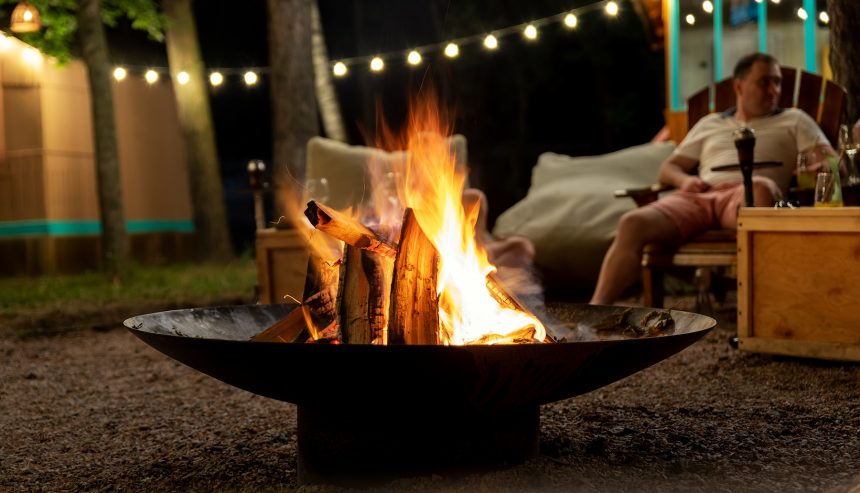
Table of Contents
While campfires can bring warmth and joy to your camping trip, they can also be dangerous. Campfires are the main cause of camping injuries among children and the chief culprit for unintentional forest fires. Keep these campfire safety tips in mind during your next camping trip to protect yourself and Mother Nature.
Campfire Safety Tips to Prevent Injuries and Accidental Fires
Below are campfire safety tips to be aware of.
- Check the weather forecast. Never start a campfire on a windy day. A sudden gust of wind could blow sparks or burning debris onto flammable surfaces. This can result in burns, undesired fires or worse – a wildfire.
- Fireproof the campfire surroundings:
- Choose a burning site that’s not under overhanging limbs or power lines.
- The pit must also be 10 or more feet away from vegetation, buildings, vehicles, or equipment such as tents, chairs, aerosol cans, and other flammable items.
- Clear the grass, dry leaves, sticks, garbage, and other debris from around the pit.
- Use only designated rings or pits, which should be on gravel or dirt, to light your fire.
- If the fire pit has no metal ring, put rocks around it. This ensures the fire doesn’t spread beyond the borders of the fire pit.
- Keep your campfire small, about two-three feet in diameter and no more than three feet high.
- Start the fire safely. Use dry twigs and small sticks to build a fire and progressively add larger sticks. Put the largest pieces of wood last, pointing them toward the center of the fire. Warning: never attempt to ignite a fire with flammable liquids, such as gasoline, diesel fuel, and lighter fluid to prevent burn injuries.
- Stack extra wood upwind at a safe distance from the campfire to ensure sparks don’t reach your woodpile. Gather enough wood to avoid leaving your campsite to restock.
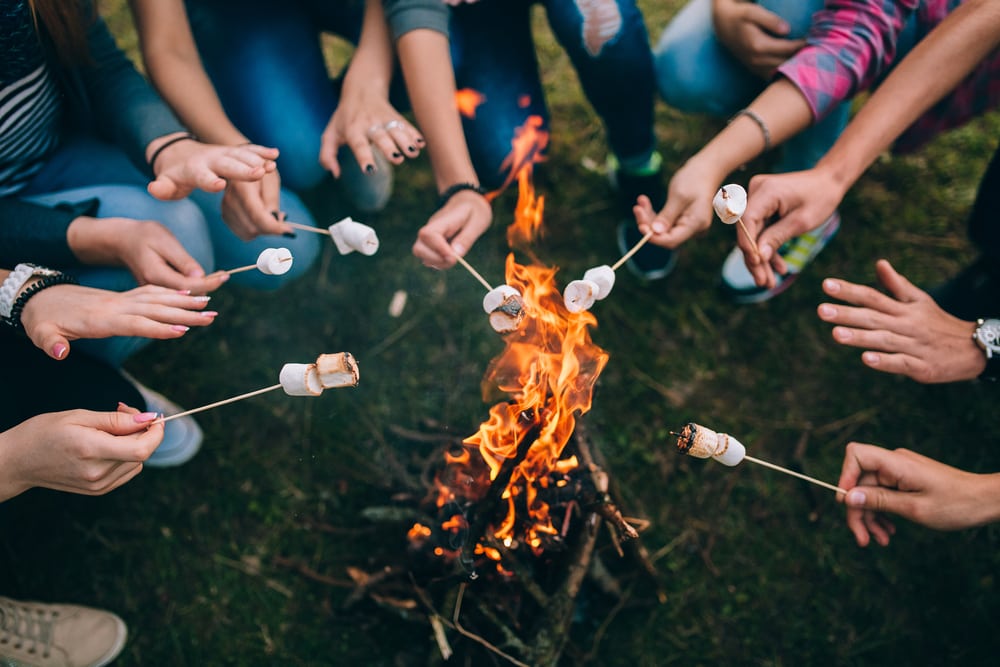
- Supervise children and pets. Always keep an eye on children or pets and don’t allow them to play near the fire or sit too close to the fire. Teach kids the “stop, drop and roll” technique in case their clothing catches fire.
- Never leave the fire unattended. A small breeze could spread sparks nearby and start a fire. Make sure a responsible adult is monitoring the campfire at all times. Keep a fire extinguisher at hand to be ready to put the fire out completely if necessary.
- Extinguish the fire safely. After you’re done with the fire, put it out completely with water or sand. Coals can remain hot for up to 24 hours if they’re not cooled off properly. To check that they’re out, stir the ashes and embers until it’s clear that they have all been cooled. Don’t bury coals and embers as doing so can keep them hot.

Frequently Asked Questions
1. What is campfire safety and why is it important?
Campfire safety involves taking precautions to prevent injuries, property damage, and wildfires when building, using, or extinguishing a campfire. Practicing proper safety measures ensures a fun and accident-free outdoor experience.
2. How do I choose a safe location for a campfire?
To maintain campfire safety, select a location away from tents, trees, overhanging branches, and dry grass. Use designated fire pits or cleared areas to minimize the risk of uncontrolled fires.
3. What materials are safe to burn in a campfire?
For proper campfire safety, only burn dry, seasoned wood. Avoid burning trash, plastics, or treated materials, as these can release toxic fumes and increase fire hazards.
4. How can I keep the campfire under control?
To ensure campfire safety, keep a bucket of water, a shovel, or a fire extinguisher nearby. Never leave a campfire unattended and maintain a manageable fire size to prevent sparks from spreading.
5. What precautions should I take around the fire?
For campfire safety, supervise children and pets at all times. Avoid wearing loose clothing that can catch fire, and never throw flammable liquids onto the fire.
6. How should I extinguish a campfire safely?
To practice campfire safety, fully extinguish the fire before leaving. Pour water over the fire, stir the ashes, and repeat until the fire is completely out and cool to the touch.
7. What are the risks of ignoring campfire safety?
Neglecting campfire safety can lead to severe burns, injuries, and accidental wildfires. It can also result in property damage, legal consequences, and environmental harm.
8. Can weather affect campfire safety?
Yes. Windy or dry conditions increase the risk of fire spreading. Always check local fire regulations and weather advisories to maintain campfire safety.
9. How can I prevent sparks from spreading?
To enhance campfire safety, build fires in a contained fire ring or pit, use small sticks rather than large logs, and keep flammable materials like leaves or paper away from the flames.
10. Are there rules for campfire safety in national parks?
Yes. Most parks require visitors to follow strict campfire safety rules, including using designated fire pits, keeping fires small, and completely extinguishing them before leaving. Always check park guidelines before starting a fire.
Remember that you can always contact your campground ranger for any questions that you may have. Campfire safety is their top priority and they can make sure that the pit is ready to use. For professional fire damage restoration, contact us on +1 305 894-4343.


 PuroClean of Coral Gables