 PuroClean of Coral Gables
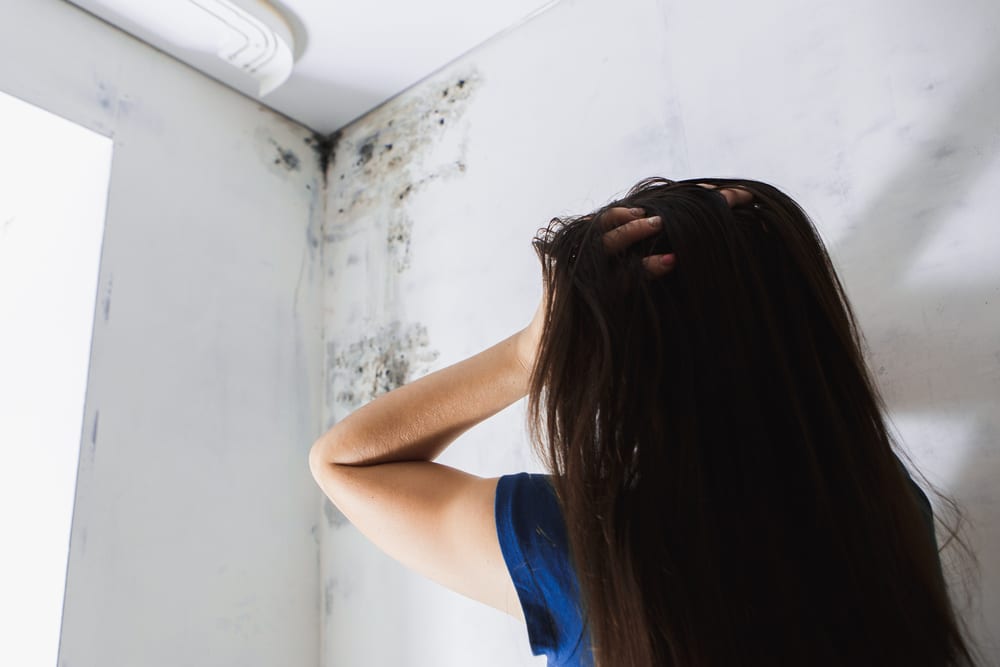
A lot of water is used in bathrooms, so chances are that some of that water could make its way into walls and floors, causing bathroom water damage. And soon enough, you could also end up with mold issues and structural damage that would need considerable efforts to repair.
Tips to Prevent Bathroom Water Damage
Follow the tips below to prevent water from ruining your bathroom.
- Regularly check for signs of leaks, such as discoloration on walls or floors, drywall bubbling, and musty smells. Touch the walls to check if any areas are softer than others. Look for leaks under vanities and ensure there are no leaks from the sink trap. If any of these problems exist, find the leak source and have it fixed.
- Repair or replace cracked, broken or missing tiles, which allow water to seep in behind walls and under floors. Do the same for cracked or decaying grout and caulking along sinks, tubs, and showers.
- Test valves for your toilets, showers, and sinks regularly to ensure they are properly working. Look for wetness or staining around them that could indicate a leak.
- Upgrade your fixtures. Did you know that toilets account for about 40% of your annual water consumption? Also, older shower heads may use twice as much water than newer models. So if your fixtures are old, upgrade them to save water and potential bathroom water damage in the future.
- If your sink drains slowly, the drain may be clogged. Pour a mixture of vinegar and baking soda down the drain. If it doesn’t work, hire a plumber to check the trap for clogs. Also, don’t let water collect and sit in the area around the sink.
- Only flush toilet paper down the toilet. Items like diapers and sanitary napkins may clog the plumbing. Also, use only septic-safe toilet paper for septic systems.
- Turn on your exhaust fan every time you use the shower or tub. The fan helps pull excess moisture out of the air, preventing it from entering your walls, which may cause bubbly drywall and mold growth. You can also use a dehumidifier to reduce the humidity levels in the bathroom.
- Always check the floor for water (and remove it if there is any) after taking a shower or using the tub. Also, fully drain the water from the shower or tub. This helps prevent damage from sitting water. Replace torn shower curtains or shower doors that have damaged seals.
- Minimize the splashing of children in the tub and wipe up any water that makes it to the floor or walls as soon as possible.
- Place bathmats on the floor to minimize the risk of excess water building up outside your shower.
Frequently Asked Questions
1. What are the main causes of bathroom water damage?
The most common causes of bathroom water damage include leaky faucets, overflowing toilets, damaged shower seals, burst pipes, and poor ventilation. Over time, even small leaks can lead to mold growth and structural problems if not addressed quickly.
2. How can I detect bathroom water damage early?
To spot bathroom water damage early, look for peeling paint, soft or discolored walls, loose tiles, musty odors, or warped flooring. Regularly inspect under sinks and around toilets or tubs for moisture buildup.
3. How often should I check for bathroom leaks?
It’s best to inspect for potential bathroom water damage at least once a month. Check plumbing connections, grout lines, and caulking around tubs and sinks to ensure there are no cracks or leaks.
4. Can poor ventilation cause bathroom water damage?
Yes. Poor ventilation can trap moisture, leading to bathroom water damage like mold growth, peeling paint, and warped surfaces. Always use an exhaust fan or open windows to keep humidity levels under control.
5. What should I do if I notice signs of bathroom water damage?
If you see evidence of bathroom water damage, shut off the water supply to stop further leaking. Then, dry the area immediately and contact a professional restoration service to assess and repair the damage properly.
6. Will homeowners insurance cover bathroom water damage?
Bathroom water damage may be covered by homeowners insurance if it results from a sudden and accidental incident, like a burst pipe. However, gradual damage caused by neglect or poor maintenance is typically not covered.
7. How can I prevent future bathroom water damage?
To prevent bathroom water damage, reseal tile grout annually, replace worn caulking, fix leaks promptly, and make sure your ventilation system works properly. Routine maintenance is key to avoiding costly repairs later.
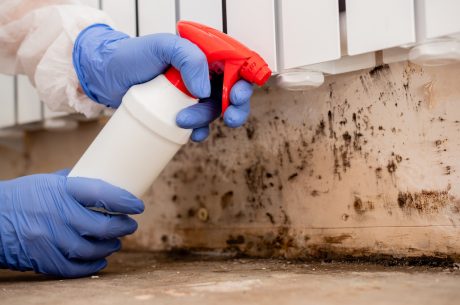
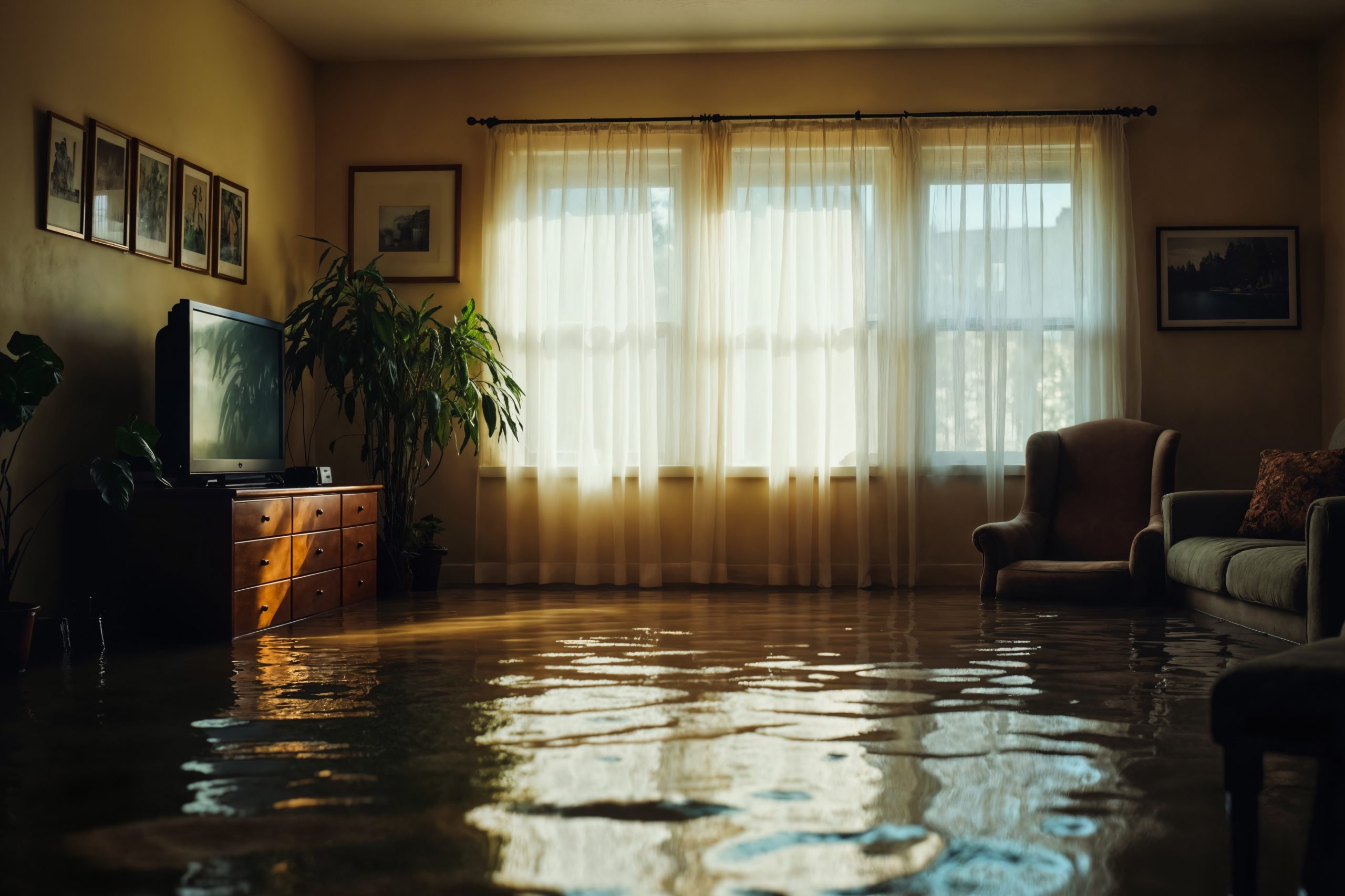
There’s always a chance that water could cause damage in your bathroom, but as long as you take these steps, you could prevent bathroom water damage and mold. For bathroom water damage repair or water damage repair in general and mold removal services, contact us on +1 305 894-4343.


 PuroClean of Coral Gables