 PuroClean of Coral Gables
When it comes to homeowners insurance, there could be a lot of confusion and misconceptions. Although standard homeowners insurance covers the structure of your home and its contents, not everything is covered.
Household scenarios homeowners insurance will likely not cover
Here are seven surprising household damage scenarios that your home insurance will likely not cover.
- Earth movement, which refers to earthquakes, sinkholes, and landslides, aren’t covered. Yet, you can get separate policies for these types of events. That would be a good idea if you live in an area that is prone to earth movement. For example, California and Alaska have the most earthquakes in the U.S.
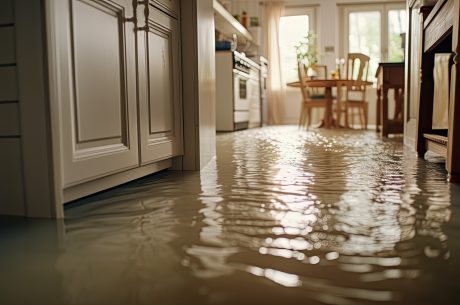
- Flooding that’s caused by natural disasters is generally not covered. For that, you will need separate flood insurance that you can get from The National Flood Insurance Program. However, accidental flooding such as that caused by a burst pipe in your home is usually covered by home insurance.
- Sewage backups, which are mainly caused by main line clogs, tree roots, heavy rainfall, and damage to the sewer lines, are excluded from your homeowners policy. To cover such events, buy a separate policy or an endorsement to your homeowners policy.
- Mold – This depends on what caused mold to grow. If the source of moisture that led to mold was due to neglected home maintenance, it’s very unlikely that you’ll be covered. Also, mold occurring after flood damage caused by natural disasters isn’t covered either. If the cause of mold growth was due to accidents like fire, lightning or sudden water issues, then mold remediation is often covered by most homeowners policies.
- Construction work damage – Standard homeowners insurance likely won’t cover any damage that arises from renovating your home. You may get insurance for that separately, though. Also, when hiring a contractor, make sure they are licensed for any liability.
- Termite infestation, which is a big problem in the U.S. as the National Pest Management Association estimates termites cause $5 billion in damage across the country each year. To avoid this problem, hire a licensed pest control company to inspect your home regularly.
- Expensive jewelry and art – If your place is burglarized or experiences a disaster like a fire, homeowners insurance will not cover the full cost of your valuable jewelry or art. So, the payouts are generally limited and you will need to purchase additional coverage for such items.
To learn more about what damage your homeowners insurance does cover, check out Does My Homeowners Insurance Cover Water Damage? and Does Homeowners Insurance Cover Roof Leaks? For professional water damage repair or mold removal services, contact your local PuroClean office.

Frequently Asked Questions About Homeowners Insurance
What does homeowners insurance typically cover?
Homeowners insurance usually covers damage to your home from fire, theft, certain natural disasters, and personal liability. However, coverage varies by policy and provider.
What are common things homeowners insurance won’t cover?
Many insurance policies don’t cover flooding, earthquakes, mold damage, sewer backups, or normal wear and tear. Separate policies or endorsements may be needed.
Is water damage covered by homeowners insurance?
Sudden water damage from burst pipes may be covered, but gradual leaks, flooding, and sewer backups are often excluded from standard insurance.
Are personal belongings always covered?
The insurance typically covers personal belongings, but coverage limits apply. Expensive items like jewelry or electronics may require additional riders or separate policies.
Does homeowners insurance cover mold?
Standard homeowners insurance usually excludes mold unless it results from a covered peril like a burst pipe. Mold prevention is critical to avoid costly out-of-pocket repairs.
Are natural disasters like earthquakes and floods covered?
Most policies exclude floods and earthquakes. Separate flood or earthquake insurance policies are necessary for protection in high-risk areas.
How can I make sure my homeowners insurance covers everything I need?
Review your policy carefully, consider add-ons or endorsements for specific risks, and consult your insurance agent to ensure you have adequate protection.


 PuroClean of Coral Gables