Professional Biohazard Cleaning Services Near You
Biohazard cleanup restoration involves cleaning, sanitizing, and deodorizing areas where a traumatic event such as an accident, injury, or death has occurred. This often includes the presence of blood, human or animal remains, chemical spills, and other hazardous materials. It’s important to understand that the state is not responsible for crime scene clean up. After police investigators have collected all necessary evidence, it becomes the property owner’s responsibility to contact professional biohazard cleaning services. At that point, trained specialists can take over, ensuring the scene is thoroughly and safely restored in accordance with health and safety regulations.
In 1991, the Occupational Safety and Health Administration (OSHA) issued a standard to protect workers from the risk of blood or other potentially infectious materials (BOPIM). Infectious pathogens include the Hepatitis B virus, HIV, and many others. This standard helps protect approximately 5.6 million workers in the healthcare industry and related occupations. Biohazard remediation falls within the scope of the BOPIM standard, which has several requirements, including:
Every time technicians handle potentially hazardous materials, they are put at significant risk. Thus, following proper training and safety procedures is crucial. It’s important not only for themselves but also for the individuals who will reside in the property after the biohazard cleanup is complete.
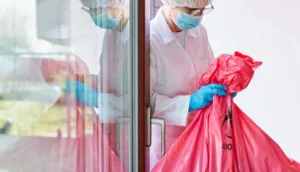
When accidents or traumas occur, PuroClean’s certified technicians safely remove, clean, and disinfect areas affected by blood and bodily fluids. Using industry-approved methods, we eliminate biohazards and restore spaces with compassion and discretion.
 Find Your Local PuroClean
PuroClean offers virus decontamination services designed to reduce exposure risks and protect your property. Our teams use advanced cleaning solutions and protocols to safeguard indoor environments from harmful pathogens.
Find Your Local PuroClean
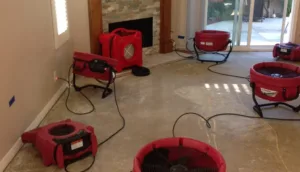
Backed-up sewage poses serious health hazards and property damage risks. PuroClean quickly removes contaminated water, sanitizes affected areas, and restores your property to a safe and healthy condition.
Find Your Local PuroClean
Persistent odors from biohazard incidents can compromise comfort and safety. PuroClean applies professional deodorization techniques and specialized equipment to eliminate odors at their source, restoring fresh, clean air.
Find Your Local PuroClean
PuroClean provides discreet and compassionate crime scene cleanup services, handling sensitive situations with professionalism and care. Our experts follow rigorous safety standards to remediate biohazards and restore the property.
Find Your Local PuroClean
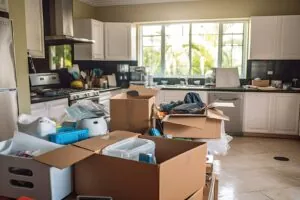
Hoarding situations often involve hidden biohazards, odors, and safety risks. PuroClean delivers respectful and thorough cleanup services, helping property owners reclaim safe, functional living spaces.restoration services help recover your property and belongings quickly and safely.
Find Your Local PuroClean
When accidents or traumas occur, PuroClean’s certified technicians safely remove, clean, and disinfect areas affected by blood and bodily fluids. Using industry-approved methods, we eliminate biohazards and restore spaces with compassion and discretion.
Find Your Local PuroClean
PuroClean restoration professionals are licensed, insured, and certified to remediate biohazard environments safely and in accordance with all applicable laws and standards. We understand that some events may be sensitive and must be handled with compassion and discretion. We bring a sense of calm back to those impacted, whether the loss is in a home, a commercial housing property, or another business.
PuroClean’s RapidDefense™ Program is the most effective way to deep-clean and sanitize public areas, helping to stop the spread of pathogen-based illnesses such as Influenza, Norovirus, and Coronavirus. Our process uses EPA-registered, safe products to minimize the risk of pathogens spreading and can provide protection for up to three months. Contact us today to create a clean, healthy environment.
PuroClean uses EPA-registered, safe products to provide up to three months of protection that prevents contamination and minimizes the risk of spreading pathogens.
We understand the trauma you and your loved ones are facing. PuroClean rescues properties with compassion, care, and discretion.
PuroClean’s RapidDefense™ Program is the best way to sanitize public areas. Our system helps stop the spread of pathogen-based illnesses, such as Influenza and the Coronavirus.
It is not obligatory to obtain a certificate to become a biohazard technician. However, OSHA does require biohazard technicians to properly wear PPE when dealing with bloodborne pathogens.
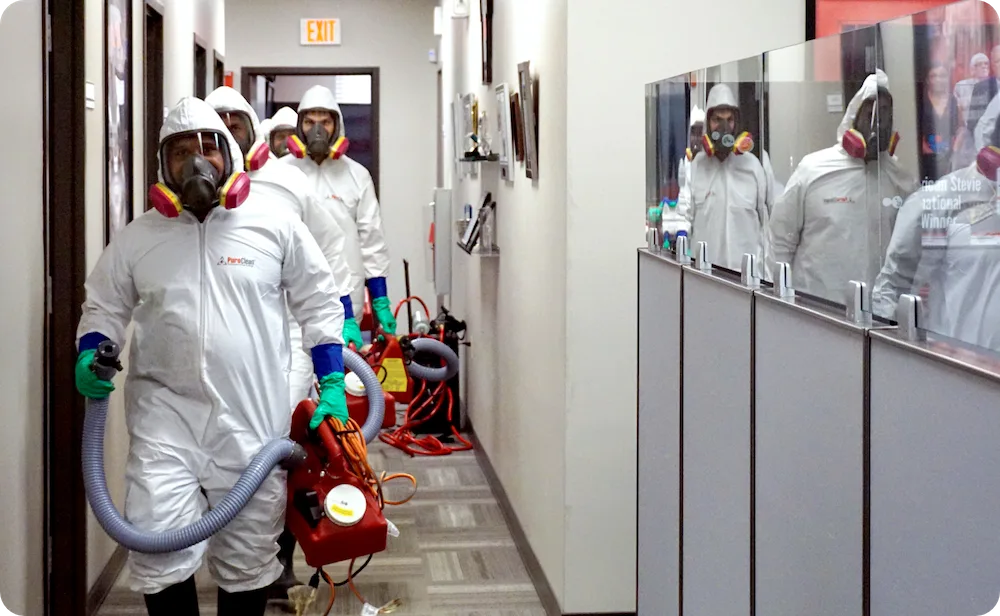
In essence, PPE helps ensure the safety of workers. The equipment prevents hazardous material from entering the body through the skin, eyes, mouth, nose, or any other area. Although PPE varies from job to job, it should always include full-face protection, gloves, properly designated waterproof coveralls, and a respirator.
Furthermore, reputable restoration companies offer biohazard remediation training for technicians. That includes learning OSHA’s on-the-job safety methods when handling biohazardous waste. Doing so reduces the risk of accidents and potential lawsuits.
Biohazards are any biological contaminants such as those found in sewage, mold, or any viral or bacterial contamination such as MRSA. Biohazards also include toxins found in decaying organisms, as well as bodily fluids.
Bloodborne pathogens (BBPs), as defined by the Occupational Safety and Health Administration (OSHA), means pathogenic microorganisms that are present in human blood and can cause disease in humans. These pathogens include, but are not limited to, hepatitis B virus (HBV) and human immunodeficiency virus (HIV).
Blood itself is not a biohazard, it’s what may be in the potentially hazardous blood, such as bloodborne pathogens (BBPs) or infectious microorganisms, that can cause diseases.
Insurance policies have many variables, while Crime Scene or Biohazard cleanup is often covered, you must consult your insurance broker or agent to determine your specific coverages.
First, the remediation crew identifies the affected areas and determines the scope of the biohazard cleanup. Once a plan is in place, remediation efforts begin as quickly as possible.
As with any type of property damage, PuroClean restoration professionals ensure that their actions do not worsen the sense of loss for property owners. PuroClean restoration professionals are exceptionally sensitive as they understand that those involved may be emotionally vulnerable.
When dealing with this type of cleanup, it is important to always show extra care and compassion. PuroClean technicians empathize with persons dealing with these traumatic situations.
When a biohazard occurs, call the experts at PuroClean to clean and disinfect the contaminated site. Our professional technicians use state-of-the-art equipment and techniques to effectively remediate the damage. The quality of our remediation services, the speed in which we deliver them, and the compassion we demonstrate throughout the process make PuroClean your ideal damage restoration company. We pledge to do whatever it takes to restore and rescue properties in all the communities we serve.
Contact Us for 24/7 Emergency Response
• National Hotline: (800) 775-7876
Find Your Local PuroClean


© 2026 PuroClean. All Rights Reserved.
© 2026 PuroClean. All Rights Reserved.