


Table of Contents
Can mold make you sick? Yes, absolutely. Exposure to mold spores and their byproducts (allergens, irritants, mycotoxins) can trigger a range of health issues, from mild allergy symptoms like sneezing and itchy eyes, to severe respiratory infections in vulnerable individuals. This post breaks down how that happens, symptoms to look out for, DIY prevention, and why professional mold remediation is essential for long-term health, especially in Coral Gables, where high humidity fuels mold growth.
What Is Mold & Why It Grows Indoors
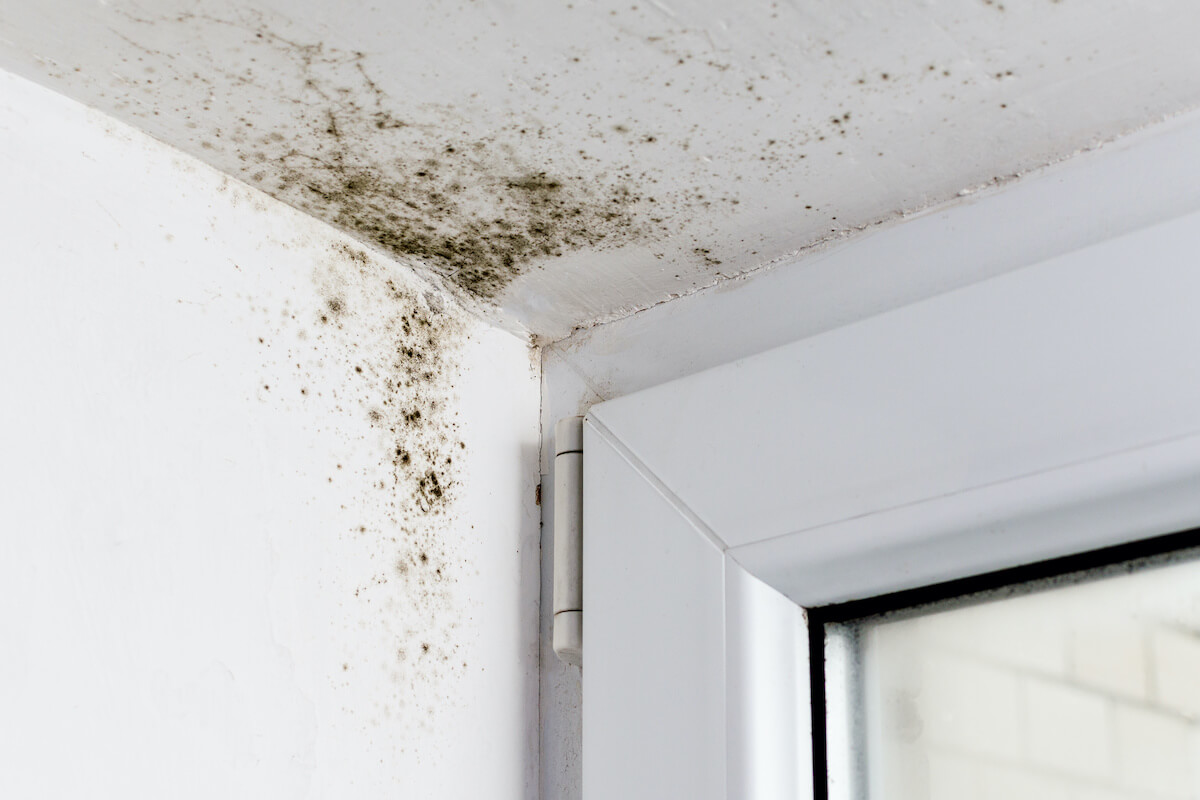
Mold is a fungus that thrives in damp, humid spaces; household hotspots include bathrooms, basements, and areas with leaks. Mold spores float in the air and settle on wet surfaces, forming patches that emit an unmistakably musty odor.
Common Indoor Molds
From black mold (Stachybotrys) to everyday species like Penicillium and Aspergillus, indoor molds differ in toxin production but any type growing on damp surfaces can affect your health.
Can Mold Make You Sick? Here’s How It Affects Your Health
Mold harms health through allergens, irritants, and sometimes toxins (mycotoxins).
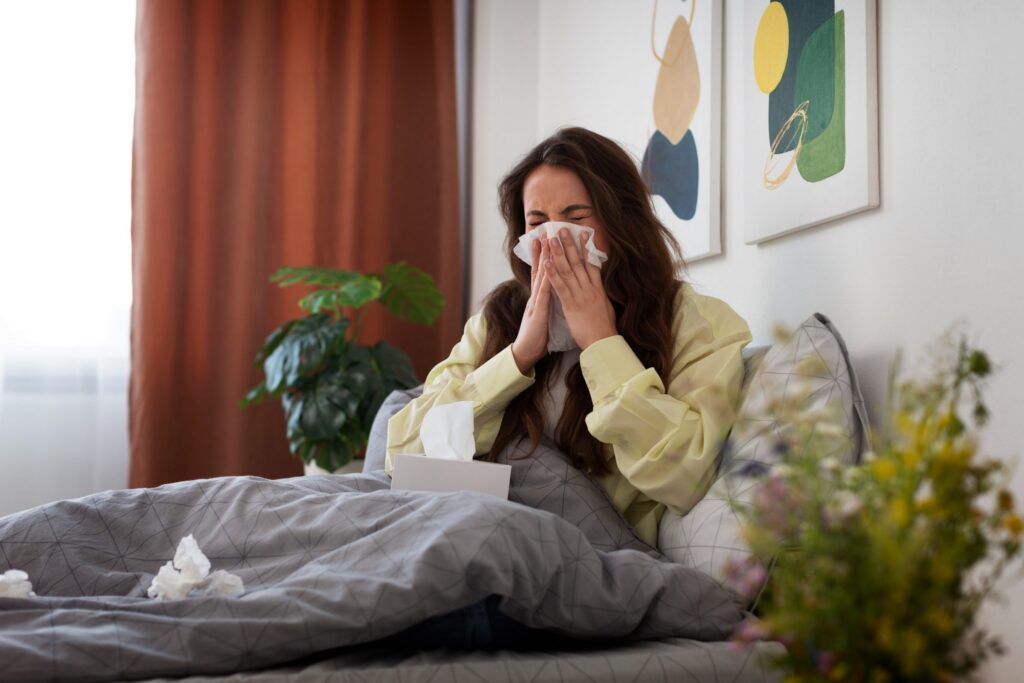
- Allergens trigger hay fever–type symptoms: sneezing, congestion, itchy eyes, coughing .
- Irritants like microbial volatile organic compounds (mVOCs) can cause throat irritation, headaches, fatigue.
- Mycotoxins produced by some molds may cause more serious effects, although evidence is still emerging.
Who’s at Risk & Symptoms to Watch
Allergy & Asthma Sufferers
- Sneezing, runny nose, itchy/watery eyes, asthma attacks, chest tightness, wheezing .
- May get sudden asthma exacerbations after exposure.
Immune-Compromised & Vulnerable Groups
- Those with COPD, cystic fibrosis, or immune suppression risk serious lung infections (e.g., aspergillosis).
Everyone Else
Even healthy individuals can experience sneezing, coughing, throat irritation, headaches or fatigue when living in moldy environments.
How Fast Symptoms Appear
It varies, some people react immediately, others only after ongoing exposure.
Sensitive people may feel symptoms within minutes. Larger mold infestations often equal quicker/more severe reactions.
DIY Prevention Tips
Control moisture, ventilate well, clean early and consider professional help for big jobs.
- Keep humidity below 50%, use dehumidifiers in basements and bathrooms.
- Fix leaks in roofs, pipes, windows promptly .
- Clean small mold patches (<1 m²) with bleach solution while wearing PPE.
- For large infestations or mold in walls/floors, hire pros, such as PuroClean of Coral Gables.
FAQ
Can mold in my home cause serious illness?
Yes, while most people only get mild symptoms, those with asthma, allergies, or weak immune systems can develop significant respiratory problems or infections.
Is black mold more dangerous than other molds?
Not necessarily, any mold can cause health issues. Black mold gets attention due to its dark color and association with mycotoxins, but all mold types found in damp homes should be removed.
How long before I get sick from mold?
It depends. Sensitive individuals may react almost immediately; others may take days or months, depending on exposure levels.
Can I clean mold myself?
Yes, but only small patches. Use bleach solution, wear gloves, goggles, and mask. For larger infestations (>1 m² or inside walls), hire a certified mold remediation service .
Should I test mold to know if it’s toxic?
No. According to CDC, if you can see or smell mold, that’s enough reason to remediate, it’s rarely necessary to test species.
Can mold make you sick even if you can’t see it?
Yes, mold can make you sick even when it’s hidden behind walls, under floors, or in air ducts. Mold releases spores into the air that can be inhaled and cause health issues even if you can’t visibly detect it.
Can mold make you sick even if it’s not black mold?
Absolutely. Any type of mold can make you sick if there’s enough of it in your environment. While black mold gets most of the attention, other species like Aspergillus or Penicillium can also trigger allergic or toxic reactions.
Why Choose Professional Mold Remediation
Professionals are trained, insured, and equipped to handle mold safely, especially for hidden damage in walls or HVAC.
- They locate and fix moisture sources
- Use containment to prevent cross-contamination
- Employ industrial-grade cleaners and HEPA filtration
- Follow EPA, CDC & Health Canada protocols.
Choose PuroClean of Coral Gables for Mold Remediation
- Locally licensed & trusted in Coral Gables, FL
- Full moisture inspection & professional mold remediation
- Certified in EPA, IICRC industry standards
- Fast emergency response, low inventory keeps costs competitive
- Protect your health and your home, call now for a mold assessment!

Final Summary
To recap: can mold make you sick? Absolutely, it can trigger allergies, asthma attacks, chronic respiratory problems, and even infections. Prevention is key, control moisture and clean molds early. But for anything than minor surface cleanup, call PuroClean of Coral Gables. Their certified experts will protect your health and restore your home to safe, mold-free living.