Can wet drywall and hardwood floors be saved after water damage? Yes, in many cases, both materials can be salvaged if the damage is limited and drying begins quickly. However, swollen drywall, deteriorating materials, severe floor warping, contaminated floodwater, and moisture trapped beneath surfaces may make removal and replacement necessary.
For homeowners in Coral Gables and across Miami, a leaking pipe, overflowing appliance, roof leak, or storm-related flooding can leave walls and hardwood floors soaked before the full extent of the damage becomes obvious.
The good news is that not every wet surface needs to be replaced. The key is to identify how far the water has spread, determine whether the materials remain structurally sound, and dry the affected areas properly.
PuroClean of Coral Gables provides professional water damage restoration and cleanup services to help homeowners address water intrusion, assess affected materials, and begin the recovery process.
If your home has suffered water damage, call (305) 894-4343 to discuss your restoration needs.

Can Wet Drywall and Hardwood Floors Be Saved?
Whether wet drywall and hardwood floors can be saved depends on several factors, including the source of the water, how long the materials have been wet, the extent of the damage, and whether moisture has reached hidden areas.
Drywall that remains firm, with intact seams and no obvious swelling, may be salvageable through controlled drying. Hardwood flooring may also recover if the moisture exposure is limited and the boards have not suffered permanent damage.
However, materials that are badly swollen, crumbling, delaminating, or contaminated may need to be removed.
The U.S. Environmental Protection Agency provides guidance on water damage cleanup and mold prevention, including recommendations for drying wallboard and wood surfaces.
The important thing is not to make a replacement decision based on appearance alone. Materials can look dry on the surface while remaining wet underneath.
1. Can Wet Drywall Be Saved?
Wet drywall can sometimes be saved, but the condition of the material matters more than the presence of a water stain alone.
Drywall consists of a gypsum core covered with paper. When water penetrates the material, it can weaken the core, damage the paper facing, and create conditions that support mold growth.
When wet drywall may be salvageable
Drywall has a better chance of being saved when:
- The water exposure was brief.
- The water came from a clean source.
- The board remains firm and has not swollen.
- The seams and joints remain intact.
- There are no signs of significant mold growth.
- The wall cavity can be dried thoroughly.
In these circumstances, restoration professionals may use moisture meters and controlled drying equipment to determine whether the material can remain in place.
When drywall should be removed
Drywall may require removal and replacement if it has become soft, swollen, crumbling, or structurally compromised.
Removal may also be necessary if contaminated floodwater has affected the material or if moisture has saturated the insulation and wall cavity.
A damp wall is not always a simple surface-drying problem. Water can travel behind baseboards, into framing, and through adjoining wall sections.
If your Coral Gables home has a ceiling leak or a burst pipe, a professional assessment can help determine whether targeted drying is sufficient or whether damaged sections need to be removed.
2. Can Water Damaged Hardwood Floors Be Saved?
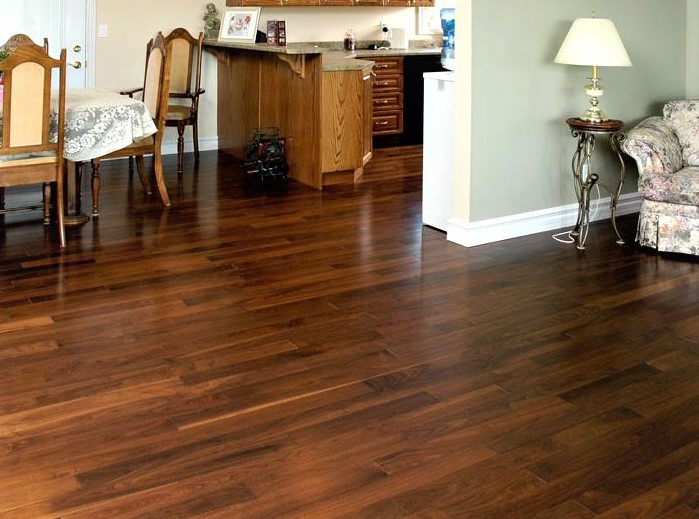
Hardwood floors can often be restored after limited water exposure, but prolonged moisture can cause substantial damage.
Wood naturally absorbs and releases moisture. When water enters the boards, they expand. As they dry, they may shrink unevenly, leaving gaps, raised edges, or other visible changes.
The outcome depends on the type of flooring, how much water reached it, and whether moisture has penetrated the subfloor.
Signs your hardwood floors may be salvageable
Your floors may be candidates for restoration if:
- The boards remain firmly attached.
- Warping is minor or has not developed.
- The finish has not extensively peeled or separated.
- The subfloor has not swollen or deteriorated.
- The water was removed quickly.
- The flooring can be dried without causing further damage.
Once the wood has dried to an appropriate moisture level, a flooring professional may recommend sanding, refinishing, or replacing a small number of damaged boards.
Signs hardwood floors may need replacement
More serious damage can occur when boards buckle, separate, cup significantly, or lift away from the subfloor.
Engineered hardwood can also suffer delamination if moisture damages the layers or adhesive.
Even when the surface appears relatively normal, trapped water beneath the flooring can continue affecting the subfloor and surrounding materials.
The EPA’s water damage cleanup guidance recommends removing moisture promptly from wood surfaces and using dehumidifiers, fans, and gentle heat as appropriate. It also advises caution when applying heat to hardwood floors.
Avoid using intense heat or attempting to force the floor flat before the underlying moisture has been addressed. Rapid or uneven drying can worsen warping.
3. Why You Should Act Quickly After Water Damage
Time matters when water enters drywall, flooring, or other building materials.
The longer moisture remains, the greater the opportunity for materials to deteriorate and mold to develop. The EPA recommends drying wet materials as quickly as possible, ideally within 24 to 48 hours, to help reduce mold risk.
This timeframe is a guideline, not a guarantee. Mold may develop sooner under certain conditions, while some materials may remain unaffected if they are dried appropriately.
For homeowners in Miami, humidity adds another challenge. Warm, humid air can make it harder to dry wet materials using ordinary ventilation alone.
Prompt water damage restoration can help by:
- Removing standing water.
- Identifying moisture behind walls and beneath floors.
- Reducing indoor humidity with suitable equipment.
- Monitoring drying progress.
- Identifying materials that cannot be safely salvaged.
If your home has experienced flooding or a significant plumbing leak, do not wait for visible mold or severe warping before arranging an assessment.

4. What Happens When Water Gets Behind Walls or Under Floors?
Some of the most expensive water damage occurs where homeowners cannot see it.
Water from a leaking pipe may travel behind drywall before appearing as a stain. Similarly, water can seep between hardwood boards and the subfloor, leaving moisture trapped beneath the surface.
In Coral Gables homes, a leak from an upstairs bathroom, kitchen plumbing, or air conditioning system may affect several connected areas before the source becomes obvious.
Warning signs include:
- Paint that bubbles or peels.
- Baseboards that swell or separate from the wall.
- Hardwood boards that begin to cup or lift.
- Persistent musty odors.
- Soft or discolored drywall.
- Flooring that feels uneven or develops unexplained gaps.
These signs do not automatically mean every affected material must be replaced. They indicate that the area should be inspected and the moisture source identified.
Professional moisture measurements can help establish how far the water has traveled and whether the materials are drying adequately.
5. What Is the Best Way to Dry Wet Drywall and Hardwood Floors?
The correct drying method depends on the materials, the amount of water, and whether the water is contaminated.
Step 1: Stop the source of water
If it is safe, shut off the leaking appliance or water supply. If the water is entering through the roof or exterior, arrange for the underlying problem to be addressed.
Never enter standing water if electrical hazards may be present.
Step 2: Remove standing water
Water should be extracted promptly using equipment designed for the job. A household vacuum is not suitable for standing water unless specifically designed for wet extraction.
Floodwater that may contain sewage or other contaminants requires additional safety precautions.
Step 3: Assess the affected materials
Inspect the drywall, hardwood flooring, baseboards, and adjoining spaces. Moisture meters can help identify water that is not visible on the surface.
Step 4: Use appropriate drying equipment
Depending on the situation, professionals may use air movers and dehumidifiers to help dry the affected area. Some wall sections or flooring materials may need to be opened or removed to allow trapped moisture to escape.
Step 5: Confirm that drying is complete
Do not assume that a wall or floor is ready for painting, sealing, or refinishing simply because it feels dry.
Moisture readings and the condition of the materials should guide the decision. The subfloor must also be sufficiently dry before new flooring is installed.
Step 6: Repair or replace damaged materials
Once the area is dry and the underlying problem has been addressed, the remaining work can be determined. This may involve patching drywall, replacing insulation, refinishing hardwood, or installing new flooring.
The EPA’s flood cleanup guidance provides additional information on safe cleanup and drying after flooding.
6. When Should You Call a Water Damage Restoration Professional in Miami?
Professional assistance is particularly important when water has affected multiple rooms, soaked wall cavities, reached electrical systems, or come from a potentially contaminated source.
Consider calling a restoration company if:
- Your drywall is swollen or crumbling.
- Hardwood flooring is buckling or lifting.
- Water has entered the subfloor or wall cavity.
- The leak has continued for an extended period.
- You notice persistent musty odors or visible mold.
- Stormwater or sewage has entered your property.
- You cannot determine whether the affected materials are dry.
A restoration professional can assess the affected areas, remove water, establish a drying plan, and identify materials that may require removal or repair.
For larger incidents, it is often more effective to establish the full extent of the damage before beginning permanent repairs.
Why Choose PuroClean of Coral Gables?
Water damage can be stressful, especially when you are unsure whether your drywall and hardwood floors can be saved.
PuroClean of Coral Gables provides professional water damage restoration and cleanup services for homeowners and property owners in Coral Gables and surrounding Miami communities.
Whether your property has suffered a plumbing leak, ceiling leak, appliance failure, or storm-related water intrusion, addressing the damage promptly can help limit further deterioration.
Professional restoration may include water extraction, moisture assessment, structural drying, and recommendations for additional cleanup or repairs based on the condition of the property.
The right approach is to assess the damage before assuming that everything must be replaced or that surface drying will be enough.
Need help with water damaged drywall or hardwood floors?
Contact PuroClean of Coral Gables to discuss your water damage restoration needs.
Call (305) 894-4343.
Frequently Asked Questions
1. How long does it take for wet drywall to dry?
Drying time depends on the amount of water absorbed, the thickness of the drywall, humidity, ventilation, and whether the wall cavity is wet. Some limited moisture damage may be addressed within a few days, while more extensive damage can take longer. Moisture measurements should guide the decision about whether the drywall can remain in place.
2. Should wet drywall always be replaced?
No. Drywall may be salvageable if it has not swollen, its seams remain intact, and the affected materials can be dried thoroughly. Swollen, crumbling, extensively damaged, or contaminated drywall may need to be removed and replaced.
3. Can hardwood floors return to normal after water damage?
Sometimes. Hardwood flooring may recover from limited moisture exposure if it is dried carefully and the subfloor remains sound. Severe buckling, delamination, or structural deterioration may require repairs or replacement. A flooring professional can assess the condition after the moisture problem has been addressed.
4. How long does it take to dry water damaged hardwood floors?
The drying period varies depending on the wood, the amount of moisture, the subfloor, and environmental conditions. It may take several days or considerably longer. Avoid sanding or refinishing the floor until moisture levels have stabilized and the flooring professional confirms it is ready.
5. Can water damaged drywall and floors develop mold?
Yes. Mold can develop when moisture remains in suitable conditions. The EPA recommends drying wet materials promptly, ideally within 24 to 48 hours, to help reduce the risk. Hidden moisture can remain in wall cavities and beneath floors even after visible surfaces appear dry.
6. Does homeowners insurance cover wet drywall and hardwood floor repairs?
Coverage depends on the cause of the water damage and the terms of your policy. Certain sudden and accidental plumbing leaks may be covered, while flood damage from rising water may require separate flood insurance. Contact your insurer to confirm the coverage and documentation requirements.
7. Who should I call for water damage restoration in Coral Gables?
Homeowners in Coral Gables and surrounding Miami communities can contact PuroClean of Coral Gables at (305) 894-4343 to discuss water damage restoration and cleanup services.
Final Thoughts: Can Wet Drywall and Hardwood Floors Be Saved?
Can wet drywall and hardwood floors be saved after water damage? Often, yes, provided the damage is limited, the materials remain structurally sound, and moisture is addressed promptly. Drywall that has swollen or deteriorated may need replacement, while hardwood flooring may be salvageable if it can be dried carefully without permanent warping or subfloor damage.
The most important steps are to stop the source of water, remove standing water, assess the affected materials, and confirm that hidden moisture has been eliminated before making permanent repairs.
For homeowners in Coral Gables and across Miami, acting quickly can help limit damage and make restoration decisions easier.
If water has damaged your walls or hardwood floors, contact PuroClean of Coral Gables for professional water damage restoration and cleanup. Call (305) 894-4343 to discuss your property and the next steps toward recovery.