 PuroClean of Coral Gables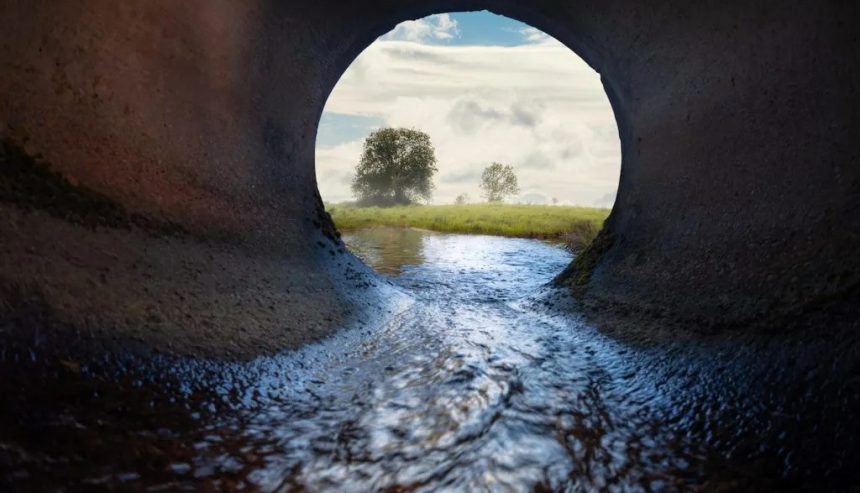
Table of Contents
Category 3 Water Damage is the most dangerous type of water damage, involving highly contaminated water that can threaten your health and severely damage your property. If you’re dealing with it, immediate action and professional water damage cleanup are critical to staying safe and minimizing long-term damage.
In this guide, you’ll learn what causes it, why it’s so dangerous, and the smartest way to handle it before things get worse.
What Is Category 3 Water Damage
Category 3 Water Damage refers to water that is grossly contaminated and unsafe for human contact. Often called black water, it contains harmful bacteria, viruses, chemicals, and waste materials.
This type of water damage doesn’t just affect surfaces. It seeps deep into materials, making cleanup more complex and hazardous.
Common sources include:
- Sewage backups
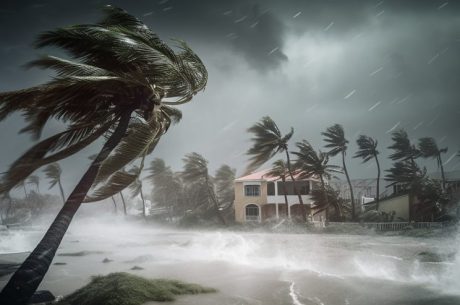
- Floodwater from storms or hurricanes
- Overflowing toilets with waste
- Standing water that has become contaminated
- Water mixed with hazardous substances
7 Shocking Facts About Category 3 Water Damage
1. It Poses Serious Health Risks
Exposure can lead to infections, respiratory issues, and other illnesses. Even brief contact can be harmful.
2. It Spreads Quickly
Contaminated water can move fast through flooring, walls, and furniture, affecting more areas than you expect.
3. It Destroys Materials Faster
Drywall, insulation, and wood absorb contaminated water quickly, often requiring full removal.
4. Mold Growth Happens Rapidly
Within 24 to 48 hours, mold can start growing, making the situation even more dangerous.
5. DIY Cleanup Is Not Safe
Household cleaning products cannot fully eliminate harmful contaminants.
6. It Can Affect Indoor Air Quality
Airborne contaminants can spread throughout your home, impacting everyone inside.
7. Insurance Claims Can Be Complex
Without proper documentation and professional restoration, insurance claims may be denied or reduced.
What Causes Category 3 Water Damage
Understanding the causes helps you respond faster and reduce risk.
1. Sewage Backups
Clogged or damaged sewer lines can push contaminated water back into your home.
2. Flooding Events
Heavy rain, hurricanes, and rising water levels often bring in polluted water from outside sources.
3. Plumbing Failures
Broken pipes connected to waste systems can release hazardous water indoors.
4. Neglected Water Damage
Water that starts as clean or gray can become highly contaminated if left untreated.
Why Category 3 Water Damage Is So Dangerous
The danger goes beyond what you can see.
1. Health Hazards
Contaminated water carries pathogens that can cause serious illness. Direct contact or inhalation can be risky.
2. Structural Damage
Materials weaken quickly when exposed. Floors may warp, and walls can deteriorate.
3. Hidden Contamination
Even after visible water is gone, bacteria and toxins may remain behind.
Signs You Are Dealing With Category 3 Water Damage
Recognizing the signs early can save you time and money.
- Strong, unpleasant odors
- Dark or murky water
- Visible debris or waste
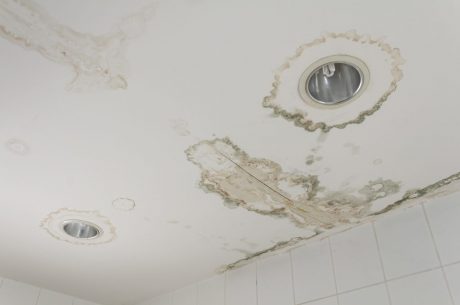
- Rapid mold growth
- Warped flooring or bubbling paint
- Persistent dampness
Category 3 Water Damage vs Other Water Types
Not all water damage is the same.
- Category 1: Clean water with minimal risk
- Category 2: Moderately contaminated water
- Category 3: Highly contaminated and hazardous water
The higher the category, the greater the risk and complexity of cleanup.
What To Do Immediately
Acting fast makes a huge difference.
1. Avoid Contact
Stay away from contaminated water to reduce health risks.
2. Turn Off Utilities
If safe, shut off electricity and water supply.
3. Evacuate the Area
Keep family members and pets away from affected areas.
4. Call Professionals
Professional restoration is the safest and most effective solution.
Professional Solutions That Actually Work
Handling severe contamination requires a structured approach.
1. Inspection and Assessment
Experts evaluate the extent of damage and contamination.
2. Water Extraction
Industrial equipment removes standing water quickly.
3. Removal of Contaminated Materials
Porous materials are safely removed and disposed of.
4. Deep Cleaning and Sanitization
Specialized disinfectants eliminate harmful bacteria.
5. Drying and Dehumidification
Advanced equipment ensures complete drying.
6. Restoration
Repairs bring your property back to its original condition.
How to Prevent Category 3 Water Damage
While not always avoidable, you can reduce your risk.
- Maintain plumbing systems regularly
- Install backflow prevention devices
- Keep drains and gutters clear
- Address leaks immediately
- Prepare for storms and flooding
FAQs About Category 3 Water Damage
Is Category 3 water dangerous to touch?
Yes, it contains harmful contaminants that can cause illness even with brief exposure.
Can I clean it myself?
It is not recommended. Professional equipment and safety protocols are required.
How quickly should I act?
Immediately. Delays increase damage, costs, and health risks.
Will insurance cover it?
Coverage depends on the source and your policy. Proper documentation is essential.
How long does cleanup take?
It varies based on severity but typically ranges from a few days to several weeks.
Final Thoughts
Category 3 Water Damage is a serious issue that demands immediate attention. It is not just about water removal but about protecting your health, your home, and your future expenses.
The faster you act, the better your chances of minimizing damage and restoring your property safely.
Need Expert Help in Coral Gables
If you’re facing this situation, you don’t have to handle it alone.
PuroClean of Coral Gables provides fast, reliable, and professional water damage cleanup services. Their team uses advanced equipment and proven methods to safely restore your property and eliminate contamination at its source.
Don’t wait until the damage gets worse. Get expert help and restore your peace of mind today.


 PuroClean of Coral Gables