


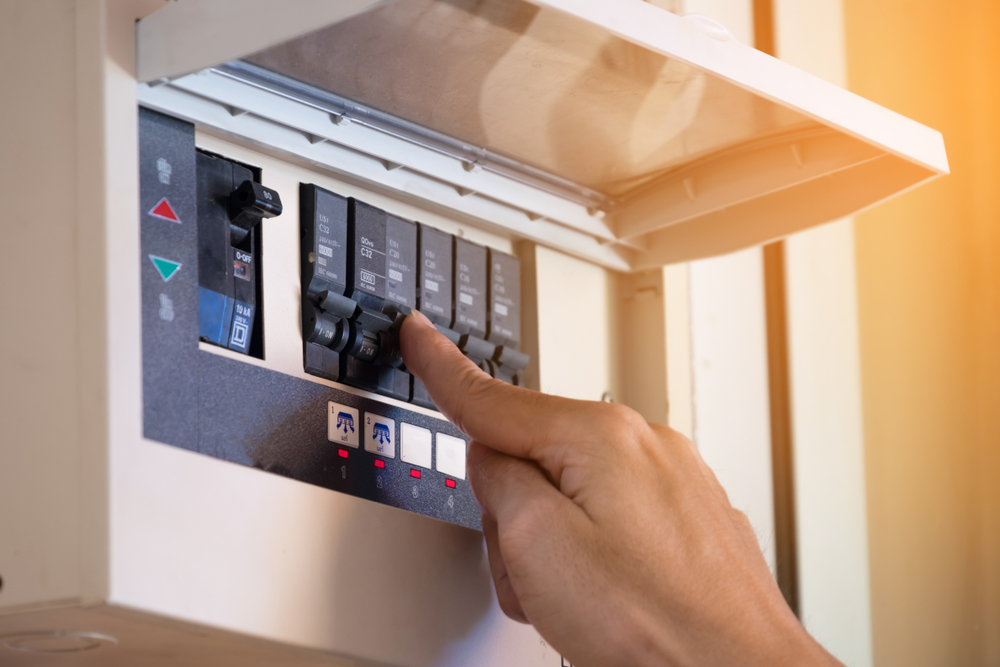
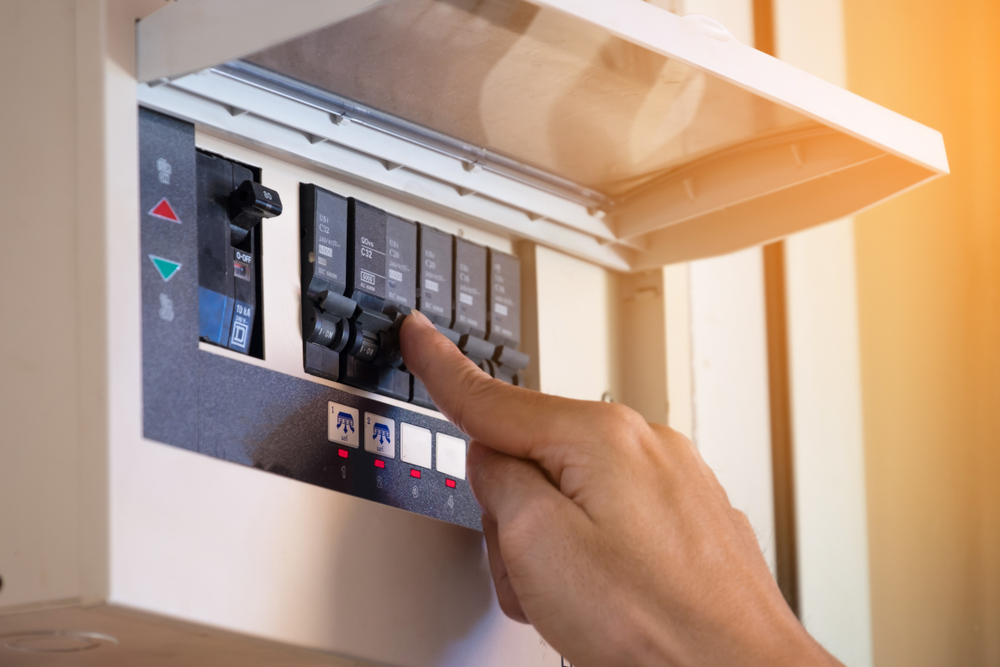
Electrical wiring, cords, plugs, switches, and outlets can all pose serious risks when not properly maintained. These electrical faults are a major cause of residential fires across the country, making circuit breakers an essential part of every modern home’s safety system. According to the Electrical Safety Foundation International (ESFI), home electrical fires account for an estimated 51,000 fires annually. These fires tragically result in nearly 500 deaths, over 1,400 injuries, and approximately $1.3 billion in property damage each year.
Circuit breakers play a vital role in preventing such disasters by interrupting the flow of electricity the moment a fault is detected. In this expanded guide, we’ll explore how circuit breakers work, the different types available, and why they are one of the most effective defenses against electrical fires and shocks in your home.
Understanding Circuit Breakers
Circuit breakers are automatic electrical switches designed to protect an electrical circuit from damage caused by overloads, short circuits, or other faults. Their main function is simple but powerful — they “break” the circuit to stop the flow of electricity when irregularities are detected, preventing overheating and potential fires.
Unlike fuses, which need replacement after each fault, circuit breakers can simply be reset, making them both convenient and cost-effective. Modern homes rely on these devices as the first line of defense against electrical hazards, providing safety for residents and safeguarding expensive appliances and property.
Why Circuit Breakers Are Crucial for Fire Prevention
Faulty wiring and overloaded circuits can cause heat buildup, which is one of the leading triggers of house fires. Circuit breakers prevent this by cutting off power before overheating can escalate into flames. They also help detect unseen dangers such as electrical arcs or ground faults — issues that may go unnoticed until it’s too late.
Installing circuit breakers designed to handle specific hazards, like arc or ground faults, dramatically reduces the risk of both electrical fires and shocks. This makes them not just a technical component but a life-saving investment for homeowners.
Arc Fault Circuit Interrupters (AFCIs): Fighting Invisible Fire Risks
Arc Fault Circuit Interrupters (AFCIs) are specialized circuit breakers that protect against arc faults — a hazardous electrical condition caused by damaged or deteriorating wiring. Arc faults can occur when nails pierce wires behind walls, when insulation is frayed, or when cords are pinched or overextended. These faults produce sparks that can easily ignite nearby flammable materials.
AFCIs continuously monitor electrical flow and immediately cut off power when an arc is detected. The U.S. Consumer Product Safety Commission (CPSC) estimates that AFCIs could prevent more than half of the electrical fires that occur in American homes each year.
The National Electrical Code (NEC) requires AFCI protection in nearly all areas of new homes — including bedrooms, living rooms, and hallways — though not in bathrooms, garages, or exterior circuits. These circuit breakers can be installed directly in the breaker panel or as AFCI-protected outlets.
Types of AFCI Circuit Breakers
Combination Breaker AFCI: Protects against both series and parallel arc faults.
Branch/Feeder AFCI Breaker: Designed for branch circuit protection against parallel arcs.
Dual Function AFCI/GFCI Breakers: Provide comprehensive protection against both arc and ground faults.
Always consult a licensed electrician to determine the most appropriate AFCI type for your home.
Ground Fault Circuit Interrupters (GFCIs): Preventing Shock Hazards
Another critical form of circuit breakers, Ground Fault Circuit Interrupters (GFCIs), protect people from electric shock. A ground fault occurs when electrical current escapes from its intended path and flows into a grounded surface — which could be you.
GFCIs detect even minor differences between incoming and outgoing current and immediately shut off power if an imbalance is found. This rapid response can prevent serious injury or death from electrical shock.
These circuit breakers are particularly important in areas where water and electricity are likely to meet, such as:
Bathrooms
Kitchens
Garages
Outdoor outlets
Laundry rooms
Spa or pool areas
Like AFCIs, GFCIs can be installed either at the main breaker panel or as individual wall outlets. Both forms provide strong protection, but circuit-level GFCIs cover an entire section of your home’s wiring.
Modern Circuit Breakers and Smart Technology
Today’s circuit breakers have evolved far beyond basic overload protection. Many now include smart technology that allows homeowners to monitor electrical usage, detect faults remotely, and receive alerts when problems occur. Smart breakers connect with home automation systems, offering real-time insight into your electrical safety.
This innovation makes it easier than ever to prevent electrical hazards before they escalate. For example, a smart circuit breaker can notify you via a mobile app when a fault occurs or when a specific outlet is drawing abnormal current. Such proactive measures further reduce the likelihood of house fires or electrical accidents.
Maintenance Tips to Keep Circuit Breakers Working Efficiently
Even the best circuit breakers require regular maintenance to function properly. Here are some expert tips to keep your electrical system safe:
Test GFCIs monthly: Press the test and reset buttons to ensure they’re functioning correctly.
Inspect AFCIs annually: Have a professional electrician test your AFCIs for responsiveness.
Avoid overloading circuits: Don’t plug too many appliances into one outlet or power strip.
Watch for warning signs: Frequent tripping, buzzing sounds, or burning smells indicate a problem that needs immediate attention.
Schedule annual inspections: A certified electrician can detect early wiring issues that might trigger circuit breakers unnecessarily or, worse, fail to trip during an emergency.
Why Professional Installation Matters
Installing or replacing circuit breakers may seem straightforward, but improper installation can cause serious electrical hazards. A professional electrician ensures the breakers are correctly rated, securely connected, and compliant with the latest safety codes.
Electrical systems vary between older and newer homes, and certain circuit breakers may not be compatible with outdated wiring. Professional installation guarantees that your protection devices will work efficiently and safely in your specific setup.
Final Thoughts
So, how good are circuit breakers in avoiding house fires? Extremely good — when properly selected, installed, and maintained. They act as the silent guardians of your home’s electrical system, preventing small issues from turning into devastating disasters.
Both AFCIs and GFCIs offer critical protection from different types of electrical hazards, making them indispensable for every household. By combining regular maintenance, professional installation, and smart technology, you can ensure your circuit breakers continue to safeguard your home, your property, and your loved ones from the dangers of electrical fires and shocks.
For additional peace of mind, remember that even with strong preventive measures in place, accidents can happen. In the unfortunate event of a fire or smoke damage, contact your local PuroClean office for professional restoration services — because safety starts with prevention, but recovery matters too.