

Table of Contents
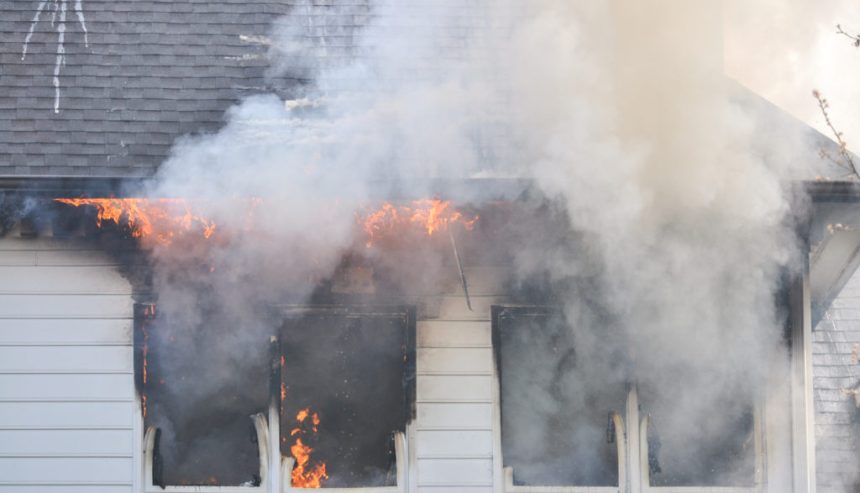
Fire damage is devastating, not just because of the visible destruction but also due to the hidden dangers it leaves behind. One of the most overlooked consequences is its impact on indoor air quality. The smoke, soot, and toxic residues can linger long after the flames are extinguished, posing serious health risks to you and your family.
If you’ve experienced the damage in your Coral Gables home, understanding its effects on indoor air quality and knowing how to restore clean, breathable air is crucial. In this article, we’ll explore how the damage affects air quality, the health risks involved, and the best steps to ensure your home is safe again.
How Fire Damage Pollutes Indoor Air
Fire damage affects indoor air quality in multiple ways, introducing harmful pollutants into the air. Here’s how:
1. Smoke Residue and Soot Particles
After a fire, microscopic soot and smoke particles settle on surfaces and remain suspended in the air. These particles can contain carbon monoxide, formaldehyde, and volatile organic compounds (VOCs), all of which are harmful when inhaled over time.
2. Toxic Gases and Chemical Residues
When household materials like plastics, paints, and furniture burn, they release toxic gases such as hydrogen cyanide and benzene. These chemicals can cause respiratory problems, headaches, and other long-term health issues.
3. Lingering Smoke Odor
The smell of smoke is more than just an unpleasant reminder of damage—it’s a sign that tiny, harmful particles are still in the air. Without proper removal, smoke odor can persist for weeks or even months.
4. Mold Growth Due to Water Damage
Firefighters use large amounts of water to extinguish flames, which can lead to excessive moisture in your home. This damp environment creates the perfect breeding ground for mold and mildew, further compromising indoor air quality.
Health Risks of Poor Indoor Air Quality After Fire Damage
Exposure to the pollutants left behind can cause various health problems, including:
- Respiratory Issues: Soot and smoke particles irritate the lungs, potentially worsening conditions like asthma or bronchitis.
- Allergic Reactions: Lingering contaminants may trigger allergies, causing sneezing, watery eyes, and skin irritation.
- Long-Term Health Risks: Prolonged exposure to chemical residues can lead to more severe conditions, such as heart disease or cancer.
What You Can Do to Restore Indoor Air Quality
1. Ventilate Your Home
As soon as it’s safe, open all doors and windows to allow fresh air to circulate. This helps to clear out some airborne pollutants caused.
2. Use Air Purifiers with HEPA Filters
High-efficiency particulate air (HEPA) filters can trap fine soot and smoke particles, improving air quality. Consider running multiple air purifiers in the affected areas.
3. Deep Clean All Surfaces
Soot can settle on furniture, walls, and floors. Cleaning all surfaces with specialized fire damage restoration products is essential to remove toxic residues.
4. Replace HVAC Filters
Your heating and cooling system can circulate contaminated air throughout your home. Replace all air filters and have your HVAC system professionally inspected for soot buildup.
5. Professional Fire Damage Restoration Services
While DIY efforts can help, fire damage restoration requires professional expertise. Certified restoration experts, like PuroClean of Coral Gables, use advanced techniques such as ozone treatments, thermal fogging, and specialized filtration systems to remove toxins and restore healthy indoor air.
Frequently Asked Questions (FAQs)
How long does smoke odor last after a fire?
Smoke odor can last for weeks or months if not properly treated. Professional fire damage restoration services are the most effective way to eliminate persistent smoke smells.
Can I clean fire damage on my own?
Minor surface cleaning is possible, but thorough fire restoration requires specialized equipment and expertise. DIY methods may not remove all toxic residues, putting your health at risk.
Is it safe to stay in a home with fire damage?
It depends on the extent of the damage. If you smell smoke, see soot buildup, or experience respiratory symptoms, it’s best to leave the property until professionals assess and restore air quality.
Will insurance cover fire damage restoration?
Most homeowner insurance policies cover fire damage restoration, but coverage details vary. It’s best to contact your insurance provider and a restoration company to understand your options.
Restore Your Home’s Air Quality with PuroClean of Coral Gables
Fire damage affects more than just your property—it impacts your health and quality of life. If your home has suffered fire damage, don’t take risks with indoor air quality. PuroClean of Coral Gables specializes in comprehensive fire damage restoration, ensuring your home is safe, clean, and free from harmful pollutants.
Let our certified professionals handle the smoke, soot, and toxic residues so you can breathe easy again. Call PuroClean of Coral Gables today on (305) 894-4343 for expert fire damage restoration!