

Commercial water damage prevention is one of the simplest ways a business can reduce avoidable disruption, protect its building and equipment, and keep employees and customers safe. The goal is not to assume a commercial property will never experience a leak, storm, plumbing failure, or equipment problem. The goal is to identify risks early and have systems in place before a small water issue becomes a major restoration project.
For businesses in Coral Gables and the greater Miami area, that preparation matters. Heavy rain, tropical weather, aging plumbing, roof leaks, clogged drains, HVAC condensation, and failures in water-connected equipment can all introduce unwanted moisture into a commercial building. A practical commercial water damage prevention plan combines routine maintenance, early detection, employee awareness, storm preparation, and a clear emergency response process.
Why commercial water damage prevention matters
Water damage in a commercial property can affect far more than walls and floors. A leak can damage computers, inventory, furniture, electrical systems, documents, ceilings, flooring, and other valuable assets. It can also force part of a business to close while cleanup and repairs take place.
Good commercial water damage prevention starts with understanding where water problems usually begin. Common sources include leaking supply lines, failed water heaters, clogged drains, roof damage, overflowing toilets, HVAC condensate problems, sprinkler system leaks, appliance failures, and stormwater intrusion.
The EPA notes that moisture control is central to preventing mold in commercial buildings. Wet or damp materials should be addressed quickly because prolonged moisture can create conditions for mold growth. That makes commercial water damage prevention an important part of both property maintenance and moisture management.
1. Inspect plumbing systems regularly
Plumbing failures are a major source of commercial water damage. Include pipes, supply lines, shut-off valves, toilets, sinks, water heaters, and pumps in your maintenance schedule. Look for corrosion, damp areas, water stains, unusual odors, and unexplained increases in water use.
A strong commercial water damage prevention program looks for warning signs before a pipe bursts.
2. Keep the roof in good condition
A commercial roof is a primary defense against rainwater. Damaged flashing, seals, drains, or penetrations can allow water into ceilings and walls.
Inspect the roof regularly and after severe weather, paying attention to drains, scuppers, flashing, and rooftop equipment. Roof maintenance is an essential part of commercial water damage prevention in Coral Gables.
3. Maintain gutters, drains, and drainage systems
A roof can be in excellent condition and still experience problems if water cannot drain properly. Leaves and debris can block gutters, roof drains, storm drains, and downspouts.
As part of your commercial water damage prevention routine, inspect drainage systems regularly and make sure water is directed away from vulnerable areas.
4. Monitor HVAC systems
HVAC equipment can be an overlooked source of water damage. Condensate lines and drain pans can clog, overflow, or leak. In humid South Florida, moisture management is especially important.
Inspect drain pans, condensate lines, and connections for standing water or staining. Effective commercial water damage prevention should include HVAC maintenance, particularly where equipment is above ceilings or in low-traffic areas.
5. Use water detection devices
Water sensors can provide an extra layer of protection in mechanical rooms, kitchens, restrooms, utility areas, water heaters, and near HVAC equipment.
Some systems send alerts when moisture is detected. They do not replace maintenance, but they strengthen commercial water damage prevention by shortening the time between a leak and discovery.
6. Know your shut-off valves and emergency procedures
When a pipe breaks, every minute matters. Clearly label the main water shut-off and make sure responsible staff know how to access it. Include shut-off procedures in your commercial water damage prevention plan.
7. Inspect water-connected equipment
Commercial kitchens, laundry areas, breakrooms, and janitorial rooms may contain dishwashers, ice machines, refrigerators, washing machines, and other water-connected equipment. Check hoses, valves, and connections for wear, corrosion, or leaks.
Equipment maintenance is an important part of commercial water damage prevention.
8. Control indoor moisture
Preventing leaks is only part of commercial water damage prevention. Businesses should also pay attention to condensation and indoor humidity.
The EPA recommends keeping indoor relative humidity below 60%, with 30% to 50% identified as an ideal range when possible. Proper ventilation, functioning HVAC systems, and dehumidification can help manage excess moisture.
This is especially relevant in Coral Gables and surrounding South Florida communities, where warm and humid conditions can contribute to moisture problems.
9. Inspect ceilings, walls, and floors for warning signs
A commercial building often provides clues before a water problem becomes obvious. Look for stained ceiling tiles, bubbling paint, warped flooring, swollen baseboards, damp drywall, musty odors, and unexplained stains.
These are not merely cosmetic issues. Early investigation is a key part of commercial water damage prevention because the source may be hidden behind a wall or above a ceiling.
10. Prepare for heavy rain and storms
Coral Gables businesses should include severe weather in their commercial water damage prevention planning. Before heavy rain, inspect roof drains, gutters, exterior doors, windows, and other possible entry points.
The National Weather Service notes that South Florida’s flat terrain and torrential rainfall can contribute to significant flooding, making rainfall and drainage important parts of preparation.
11. Create a water emergency response plan
Prevention is stronger when employees know what to do when prevention fails. Your plan should identify emergency contacts, shut-off locations, safety procedures, sensitive equipment, and the restoration company to call.
Ready Business recommends preparing for hazards such as floods and hurricanes and incorporating communications and continuity planning into emergency preparedness.
A written commercial water damage prevention plan should be easy to find and simple to follow under pressure.
12. Train employees to spot water problems
Employees may notice a leak before a property manager does. Train staff to report dripping ceilings, standing water, damp flooring, unusual odors, and plumbing problems immediately.
Employee awareness is one of the simplest parts of commercial water damage prevention.
What should you do if water damage happens anyway?
Even the strongest commercial water damage prevention program cannot eliminate every risk. A broken pipe can happen unexpectedly. A storm can overwhelm drainage. An HVAC component can fail overnight.
If water enters your business, focus first on safety. Keep people away from electrical hazards and contaminated water, and shut off the water source if it can be done safely.
Then contact a professional restoration company as soon as possible. The longer materials remain wet, the greater the potential for additional damage and mold growth. EPA guidance recommends prompt action and notes that professional assistance may be needed to dry affected areas quickly and thoroughly.
This is where commercial water damage prevention and professional restoration work together. Prevention reduces the likelihood and severity of incidents, while fast professional response helps control the damage when an incident occurs.
FAQs About Commercial Water Damage Prevention
What is the most important part of commercial water damage prevention?
Regular inspection and maintenance are fundamental. Monitor plumbing, roofs, drainage, HVAC equipment, and water-connected appliances.
How often should a commercial building be inspected?
There is no single schedule for every property. High-risk systems should be checked regularly, with additional inspections after significant storms or when warning signs appear.
Can a small leak cause major commercial water damage?
Yes. A slow leak can continue unnoticed behind walls, ceilings, or flooring and create persistent moisture conditions.
Are water sensors worth using?
They can provide early warnings in mechanical rooms, restrooms, kitchens, utility areas, and other high-risk locations. They work best alongside routine commercial water damage prevention maintenance.
How quickly should a business respond to water damage?
As soon as possible. Quick action can limit the spread of water and reduce the time materials remain wet. EPA guidance recommends prompt action to help prevent mold growth.
Does commercial water damage prevention eliminate the need for restoration?
No. Prevention reduces risk, but unexpected failures and severe weather can still cause damage. Businesses should identify a trusted restoration provider before an emergency occurs.
Protect Your Coral Gables Business With a Proactive Plan
The best commercial water damage prevention strategy is not complicated, and effective commercial water damage prevention starts before an emergency. Inspect the systems that bring water into and around your building. Maintain the roof and drainage. Monitor HVAC equipment. Watch for early warning signs. Train employees. Know the shut-off locations. Prepare for heavy rain and storms. And have an emergency response plan ready.
For Coral Gables business owners, these steps are particularly important because heavy rainfall and tropical weather can create sudden water-related challenges. Strong commercial water damage prevention can help reduce disruption, protect valuable property, and give your team a clearer response when something goes wrong.
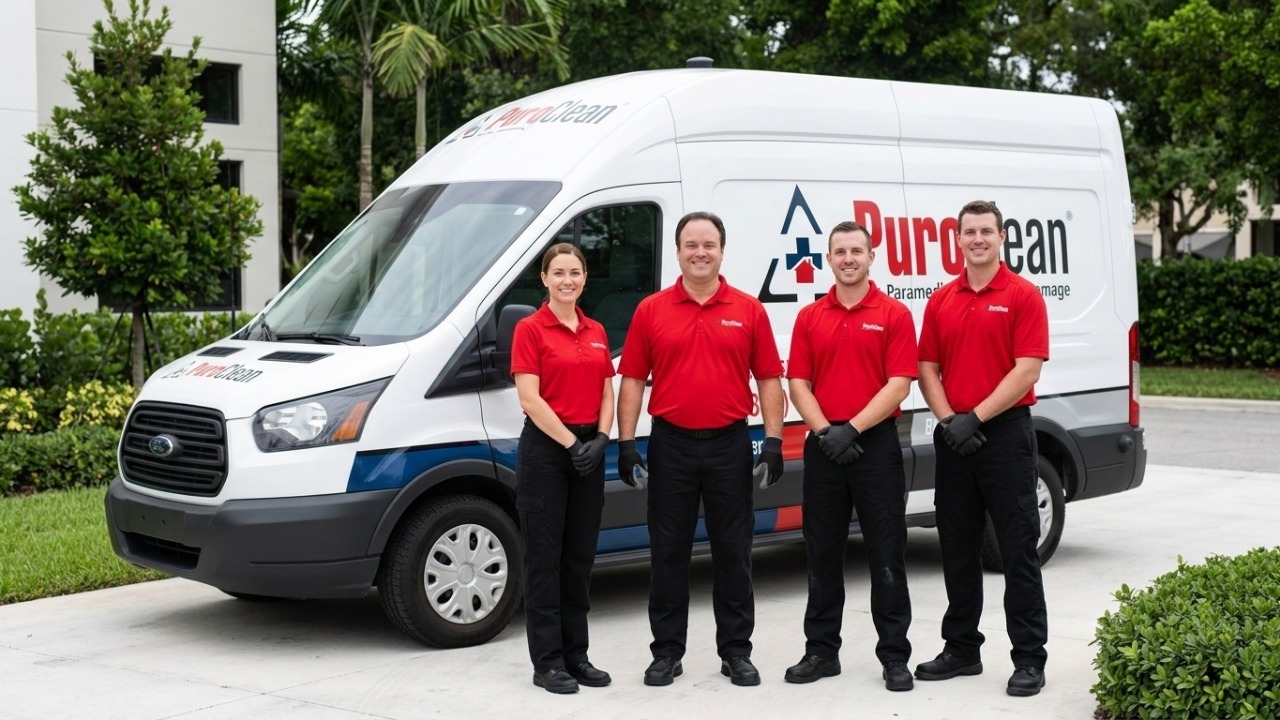
But if water damage has already occurred, prevention is no longer enough. PuroClean of Coral Gables provides professional commercial water damage cleanup and restoration for businesses dealing with leaks, flooding, burst pipes, storm-related water intrusion, and other property damage.
Our team can respond quickly, assess the affected areas, remove standing water, dry the structure, and help restore your commercial property so you can focus on getting your business operating again.
Don’t wait for a small leak to become a major problem. If your Coral Gables business needs professional water damage cleanup, call PuroClean of Coral Gables at (305) 894-4343.
The bottom line
Effective commercial water damage prevention comes down to preparation, maintenance, early detection, and fast action. You cannot prevent every water emergency, but you can make your commercial property better prepared for one.
For Coral Gables business owners, that means staying ahead of plumbing issues, roof and drainage problems, HVAC moisture, severe weather, and other common risks. That proactive approach strengthens commercial water damage prevention before a problem becomes an interruption. And when prevention fails, having a professional restoration team ready to respond can make the recovery process faster and more manageable.