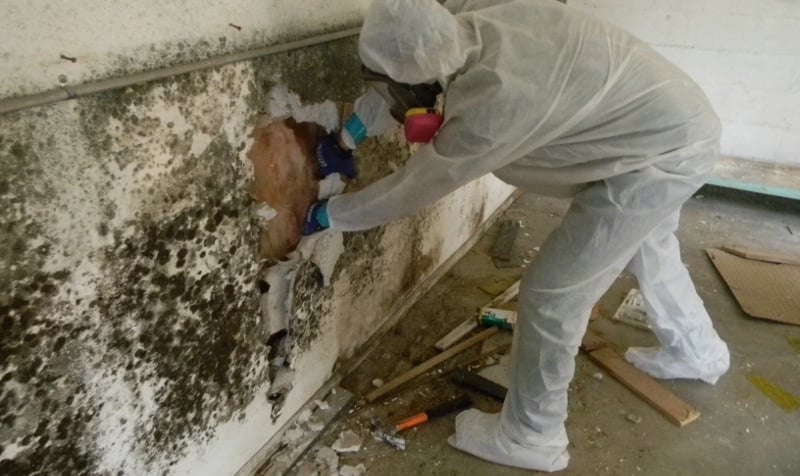


Table of Contents
If you’re a homeowner in Miami and suspect mold in your home, you’re probably wondering how much it’ll cost to get rid of it. The cost of mold removal depends on a number of things—how big the mold problem is, where it is, the kind of mold, what materials are affected, and whether there is underlying damage. Typical range: $1,500 to $6,000 for many jobs, but severe infestations can go higher. We’ll walk through what factors influence cost, what to expect for average jobs in different areas of the house, compare professional vs. DIY, and show why getting professionals is worth it.
What’s a Typical Cost of Mold Removal in Miami?
In Miami’s climate, with high humidity, frequent storms, and occasional flooding, mold problems are common. Based on data from local mold specialists and general U.S. trends:
| Size / Type of Infestation | Rough Cost Range |
|---|---|
| Small area (10–50 sq ft) visible on drywall, tile, baseboards | $500 – $1,500 |
| Medium infestation (50–200 sq ft), possibly behind walls or in hard-to-reach areas | $2,000 – $4,000 |
| Large or hidden mold (200+ sq ft, in attics, crawl spaces, or in HVAC ducts) | $5,000 – $10,000+ |
* These are estimates and can shift depending on the specific factors we’ll get into next.
Also worth noting: cost per square foot often runs $10–$30/sq ft for professional remediation jobs in many U.S. markets.
Key Factors That Affect the Cost
Here are the things that most strongly influence the cost of mold removal in Miami (and elsewhere):
1. Size of the Affected Area
- Small patches (on tile, baseboards) are much cheaper than mold behind walls or over a large ceiling.
- Once mold spreads over larger surface area, more materials may need removal (drywall, insulation), more labor, more containment measures.
2. Severity & Extent (Hidden vs. Visible Mold)
- Mold that’s superficial is cheaper.
- Hidden mold (behind walls, under floors, within HVAC systems) often requires demolition, removal of materials, restoration of structure. That greatly raises cost.
3. Type of Mold
- Some molds are more hazardous (e.g. black mold / Stachybotrys) and require stricter safety protocols, air filtration, PPE (personal protective equipment) which adds cost.
- Other molds may be less damaging or less toxic, so removal is simpler.
4. Location / Accessibility
- Mold in bathrooms or accessible walls/tiles is usually cheaper.
- Attics, crawl spaces, HVAC ducts, or tight spaces increase labor and equipment time, driving cost up.
- If moisture source is hard to reach (roof leak, plumbing issues in ceiling), additional repair work adds to cost.
5. Materials Affected
- Mold on tiles or non-porous surfaces easier to clean.
- If mold has soaked into drywall, insulation, wood framing, or flooring, those materials often must be replaced—not just cleaned.
- Porous materials generally more expensive to remediate.
6. Moisture Source & Repairs
- If mold is present, usually there’s a moisture problem: leak, poor ventilation, flood. To fully fix mold, source of moisture must be addressed.
- Repairing leaks, replacing damaged structural materials, installing ventilation or dehumidifiers add to the total cost of mold removal.
7. Testing & Inspection
- Before starting, it’s often wise to do mold inspection or air sampling to see what kind of mold, how far it’s spread. Post-remediation testing can ensure safety. These add costs but protect health and liability.
- Typical inspection costs in Florida: around $300 to $1,000 depending on property size.
8. Labor, Containment & Safety Measures
- Labor makes up a large share of any mold remediation project.
- If containment is needed (sealing off area, negative air machines, HEPA filtration), that raises cost.
- Protective gear, disposal of contaminated materials—these aren’t optional when dealing with serious mold.
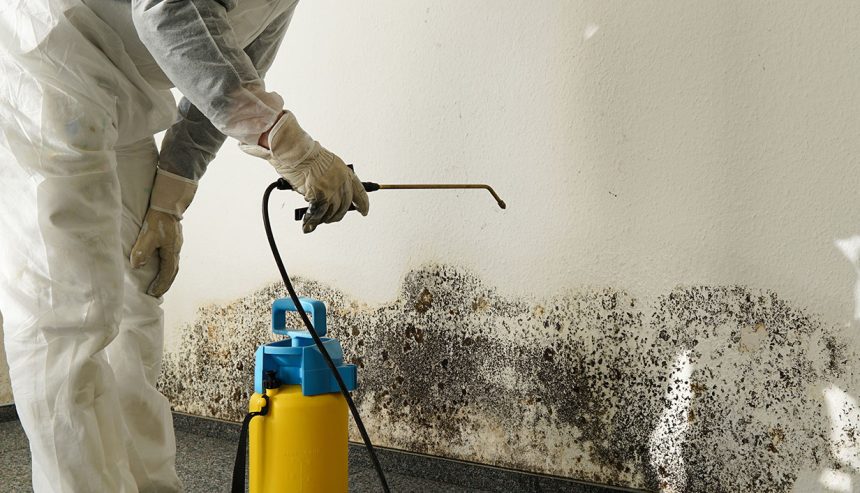
Why the Professional Route Often Beats DIY for Mold
You might wonder: can’t I just clean the mold myself and save money? Below are comparison points, pros & cons.
| Feature | DIY Cleaning | Professional Mold Removal |
|---|---|---|
| Safety / Health | Risky: you may inhale spores, use harsh chemicals, not wear proper gear | Proper containment, air filtration, PPE; safer for you and family |
| Thoroughness | Often superficial—mold hidden behind walls, under insulation etc., may return | Professionals can locate hidden mold, treat the cause, remove contaminated materials fully |
| Long-term Cost | May seem cheap at first; but if mold returns or damage worsens, you’ll pay more | Higher up-front cost, but prevent recurrent issues—less future damage, less health risk |
| Warranty / Insurance | Rarely supported; insurance may not accept DIY work for claims | Licensed services can provide documentation required by insurance; many offer warranties or follow-up checks |
| Time / effort | You bear all the labor; must buy or rent equipment | Pros bring tools, expertise; job finishes quicker, more predictably |
What Homeowners in Miami Should Ask / Expect
- Get multiple quotes from reputable mold removal/remediation companies.
- Ask about:
- The extent of mold & mold type.
- Whether they will replace materials or just clean.
- Safety protocols: containment, air filtration, worker safety.
- Whether moisture source will be identified and repaired.
- Guarantee or follow-up inspection after remediation.
- Insurance support (if applicable).
- Expect some jobs to take 1–3 days for small or medium cases; larger jobs (hidden mold, major structural issues) may take longer.
Local Price Considerations in Miami
A few things specific to Miami / South Florida climate make mold jobs potentially more expensive or urgent:
- High humidity + frequent storms → mold tends to spread fast and late detection is common.
- Materials like drywall, wood, plaster degrade faster with moisture.
- Insurance rules vary; flood damage sometimes not covered under standard homeowner policies.
- Access issues (older homes, homes built with certain materials) may add to labor.
Given those local realities, even a “medium” mold issue in Miami might cost more than elsewhere because of the amount of moisture damage, mold type, and needed repairs.
FAQs
Q: Is mold removal covered by homeowner’s insurance in Miami?
A: Sometimes—but only if the mold resulted from a covered event (e.g. burst pipe, storm damage). Mold from long-term neglect, humidity, or lack of maintenance generally is not covered. Be sure to check your policy, get documentation, and use a licensed professional.
Q: How fast can mold spread / get worse?
A: Very fast in warm, humid environments. Mold can start growing within 24–48 hours after moisture exposure. Hidden mold (behind walls, flooring) can go unnoticed for weeks or months and cause structural damage by the time you see it.
Q: How do I know if mold is hidden?
A: Signs include musty smell, allergy symptoms, paint or wallpaper bubbling or peeling, water stains, or recent leaks. A professional inspection, sometimes with infrared imaging or moisture meters, can detect mold behind surfaces.
Q: Can I do mold removal myself?
A: For small spots on non-porous surfaces, you might be able to handle it with appropriate cleaners and safety gear. But for anything larger than about 10 sq ft, or mold inside walls, HVAC, or where safety is a concern, professionals are highly recommended. Improper DIY jobs often lead to recurring mold or hidden damage.
Q: How long does mold removal take?
A: For small / medium jobs, typically 1–3 days. For large, complex infestations (hidden mold, structural damage, HVAC involvement), the process can stretch to several days or even a week or more—especially if repairs or drying are required.
Why Professional Removal is Usually Worth It
- Health & Safety: Mold spores can cause respiratory issues, allergies, or more serious health effects. Professionals use containment, HEPA filters, and PPE.
- Prevention of Recurrence: It’s not enough to remove visible mold. Unless you eliminate moisture sources and restore damaged materials, mold often returns, meaning more cost later.
- Quality & Guarantees: Professionals typically offer warranties or guarantees and can provide before-and-after testing and documentation—useful for peace of mind and insurance claims.
- Cost Over Time: While paying more up front, professionals often prevent more costly structural damage, health problems, or repeated treatments, saving money in the long run.
PuroClean of Coral Gables: Your Local Partner for Mold Removal
At PuroClean of Coral Gables, we understand the unique challenges Miami homeowners face when dealing with mold. We combine fast response with professional-grade tools, certified technicians, and a full-service approach.
Here’s how we help:
- Free inspection & estimate so you know expected costs up front.
- Identification of mold type & moisture source.
- Full remediation: removal, cleaning, repairs, and restoration.
- Licensed and insured service, you get proper documentation.
- Preventive guidance so mold doesn’t return: moisture control, ventilation, material advice.
Let us take the worry off your hands and restore your home to safe, healthy condition.
Final Summary
To wrap up: the cost of mold removal in Miami varies widely depending on how big the mold problem is, how deep it’s spread, where it’s located, what kind of mold it is, and whether there is associated damage or moisture issues. Most jobs run $1,500 to $6,000, small ones ~$500–$1,500, large or hidden problems easily going above $10,000. While DIY may seem tempting for very minor patches, hiring a professional ensures safety, thorough removal, prevents recurrence, and often ends up saving more in health and repair costs down the road.
If you suspect mold or want to know exactly what your situation costs, reach out to PuroClean of Coral Gables, our expertise, transparency, and local experience let you get back to safe, clean living without surprises.