 PuroClean of Coral Gables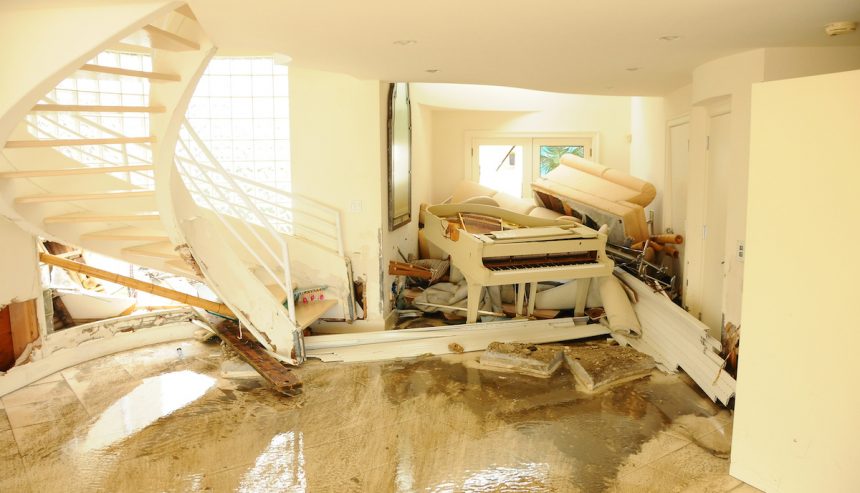
Table of Contents
Disaster cleanup should begin as soon as it is safe to re-enter your property, ideally within the first 24 to 48 hours after a storm passes. In South Florida, waiting longer can lead to mold growth, structural deterioration, contamination risks, and complicated insurance claims. The sooner professionals step in, the more damage you prevent and the more money you save.
Storms in South Florida are not minor weather inconveniences. Between hurricane season, tropical systems, flash flooding, and high humidity, properties in Coral Gables face serious post-storm risks. What looks like “just some water” can quietly turn into thousands of dollars in damage within days.
So how urgent is it really? Let’s break it down clearly.
Why Timing Is Critical After a Storm
When a storm hits, damage begins immediately but secondary damage is what truly escalates costs.
Water seeps into drywall, insulation, flooring, cabinets, and structural beams. Even if the surface appears dry, moisture may be trapped inside walls and under flooring. That hidden moisture becomes the breeding ground for mold and structural decay.
Professionals in disaster cleanup understand one thing very well: the first 24 to 48 hours determine whether your recovery is manageable or overwhelming.
Here is what happens when action is delayed.
What Happens in the First 24 Hours
During the first day after a storm:
- Water spreads deeper into porous materials
- Drywall begins to absorb moisture
- Wooden framing starts swelling
- Humidity levels remain dangerously high
This is the ideal window to begin water extraction and structural drying. Rapid response at this stage often means materials can be saved instead of removed and replaced.
The sooner industrial drying equipment is deployed, the better your outcome.
What Happens After 48 Hours
Once 48 hours pass, the risks increase significantly.
Mold spores which are always present in the air begin colonizing damp surfaces. They do not need visible flooding. Even elevated moisture is enough.
Beyond mold, other issues begin:
- Warped flooring
- Peeling paint
- Odor development
- Weakened structural components
- Bacterial contamination from storm water
At this point, restoration becomes more extensive and expensive.
That is why disaster cleanup should never be postponed “to see how things dry out.”
South Florida’s Unique Storm Risks
In Coral Gables and surrounding South Florida communities, storms bring more than rain.
They bring:
- High humidity that slows natural drying
- Saltwater intrusion that accelerates corrosion
- Sewage backups during heavy flooding
- Wind-driven rain entering through roofing and windows
Even a small amount of water intrusion in this climate can quickly turn into a serious problem.
The combination of heat and humidity creates the perfect environment for microbial growth. What might take days in a cooler climate can happen much faster here.
That is why homeowners and business owners in Coral Gables must treat post-storm recovery as urgent.
Structural Damage You Cannot See
One of the biggest misconceptions is assuming that visible damage equals total damage.
In reality, some of the most expensive problems are hidden:
- Moisture trapped behind baseboards
- Wet insulation inside walls
- Saturated subflooring
- Compromised ceiling cavities
Without professional moisture detection tools, you may not even realize the extent of the damage.
Disaster cleanup professionals use thermal imaging and moisture meters to locate hidden water. Early detection prevents demolition later.
Health and Safety Risks After Storms
Storm water is rarely clean rainwater.
It often contains:
- Sewage
- Chemicals
- Debris
- Bacteria
- Industrial runoff
Even walking barefoot on flooded surfaces can expose you to contaminants. Children and pets are especially vulnerable.
Delaying professional cleanup increases the time these contaminants remain in your living environment.
Fast mitigation protects not just your property but your health.
Insurance Claims: Why Speed Helps You Get Paid
Insurance companies expect property owners to act quickly to prevent further damage.
If you wait too long, insurers may argue that additional damage could have been prevented.
Early disaster cleanup offers several advantages:
- Proper documentation of damage
- Detailed moisture readings
- Professional reports
- Clear mitigation timelines
This strengthens your claim and reduces disputes.
Waiting weeks to call a restoration company can complicate your claim unnecessarily.
Can You Handle Cleanup Yourself?
Many property owners attempt to manage storm damage with household fans and wet vacuums.
While small surface water can sometimes be handled safely, most storm damage goes beyond DIY capability.
Household fans do not:
- Remove moisture from inside walls
- Lower humidity effectively
- Eliminate contaminants
- Prevent mold growth
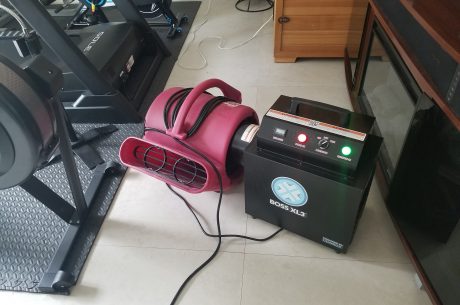
Professional equipment is designed specifically for structural drying and contamination control.
In South Florida’s climate, DIY drying often leaves hidden moisture behind.
Signs You Should Call Immediately
You should contact disaster cleanup professionals right away if you notice:
- Standing water inside the property
- Damp or soft drywall
- Warped flooring
- Musty smells
- Discolored ceilings
- Electrical issues after flooding
- Sewage backup
Even if the damage appears minor, an inspection can prevent major repairs later.
The First Steps You Should Take
Before professionals arrive, take these immediate actions if it is safe:
- Ensure there are no electrical hazards.
- Turn off utilities if advised by authorities.
- Take photos and videos of all damage.
- Avoid disturbing contaminated areas.
- Remove valuables if possible without risk.
Then call for professional assistance immediately.
Speed is everything.
The True Cost of Waiting
Homeowners often delay because they are overwhelmed or unsure how bad the damage is.
But waiting can multiply costs in several ways:
- Mold remediation adds thousands of dollars
- Flooring replacement instead of drying
- Wall demolition instead of restoration
- Longer displacement from your home
- Business interruption losses
In many cases, what could have been a straightforward drying process becomes a full reconstruction project.
Quick response minimizes both financial and emotional stress.
Commercial Properties: Even Greater Urgency
If you own a business in Coral Gables, timing is even more critical.
Every day your doors remain closed means lost revenue.
Fast disaster cleanup allows:
- Faster reopening
- Reduced inventory loss
- Controlled contamination
- Better insurance documentation
- Protection of your reputation
For commercial properties, delays can affect not just property but customers and employees as well.
FAQs About Disaster Cleanup After a Storm
How fast should disaster cleanup begin after a hurricane?
Ideally within 24 hours once it is safe to enter the property. In South Florida’s humid climate, waiting beyond 48 hours increases mold and structural risks significantly.
What if the damage seems minor?
Even minor water intrusion can lead to hidden moisture inside walls and under flooring. A professional inspection can detect issues early before they escalate.
Is mold guaranteed after flooding?
Not guaranteed, but very likely if moisture remains beyond 48 hours. The risk is especially high in warm, humid regions like Coral Gables.
Will insurance cover cleanup services?
Most storm-related damage is covered under homeowners insurance policies. Acting quickly and documenting damage properly improves claim outcomes.
Should I remove wet materials myself?
Only if it is safe and uncontaminated. Sewage or storm water exposure requires professional handling to avoid health risks.
How Fast Should You Call?
You should call for disaster cleanup immediately after the storm passes and authorities confirm it is safe to return. The ideal window is within 24 hours.
Waiting longer than 48 hours significantly increases the risk of mold growth, structural damage, higher repair costs, and insurance complications.
In South Florida, where humidity accelerates deterioration, urgency is not optional, it is essential.
Professional Disaster Cleanup in Coral Gables
If your home or business has been affected by a storm, you do not have to face it alone.
PuroClean of Coral Gables provides fast, professional disaster cleanup services designed specifically for South Florida’s storm challenges.
Their certified technicians respond quickly, assess damage thoroughly, and use advanced drying and restoration equipment to protect your property from long-term damage.
From water extraction and structural drying to contamination removal and insurance coordination, their team works to restore your space efficiently and professionally.
When a storm hits, every hour matters.
Call PuroClean of Coral Gables immediately after it is safe and protect your home, your business, and your peace of mind.



 PuroClean of Coral Gables