 PuroClean of Coral Gables
Table of Contents
Restoration costs rise dramatically when cleanup is delayed. What begins as a minor leak or smoke residue issue can spiral into structural damage, mold, health hazards, and denied insurance claims. In this post, you’ll discover why delaying restoration inflates your bills, what types of hidden costs accumulate, and how acting fast with PuroClean of Coral Gables can help you save money, time, and stress.
When homeowners or businesses in Coral Gables wait on repairs, they often think they’re saving money. In reality, restoration costs tend to balloon fast. Every hour you delay allows damage to spread, mold to grow, and materials to deteriorate. Below, we break down the stages, the hidden losses, and how prompt professional action can keep your costs in check.
What Happens When You Delay Restoration
1. Spread of Moisture & Structural Damage
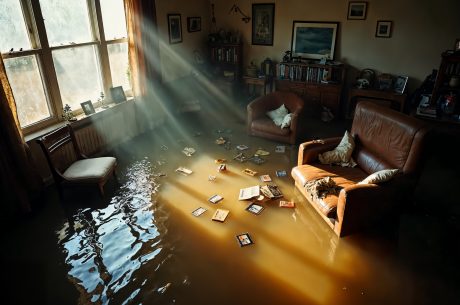
Water or moisture left unattended seeps deeper into walls, subfloors, insulation, and framing. A localized leak becomes a widespread problem. What might have been a quick drying job now requires drywall removal, floor replacement, or structural repairs. This contributes to higher restoration costs as labor, materials, and scope expand.
2. Mold & Microbial Growth
Mold can begin developing in as little as 24 to 48 hours after moisture intrusion. When mold colonizes hidden cavities, HVAC systems, or insulation, remediation becomes more intensive. Remediation might require containment, demolition, specialized cleaning, and disposal. All this dramatically inflates restoration costs.
3. Hidden Damage & Secondary Issues
Delays often invite “secondary damage”:
- Corrosion in electrical or plumbing systems
- Rotting of wood studs or joists
- Warping or buckling of flooring
- Weakening of structural supports
Each added layer of damage adds a new cost layer that compounds your baseline restoration costs.
4. Odor, Smoke, and Soot Penetration
In fire or smoke scenarios, soot and odor molecules embed themselves deeply into surfaces, fabrics, and HVAC systems. The longer you wait, the harder it is to fully remove smells and residues — requiring stronger chemicals, more labor, or replacement of materials. This again pushes restoration costs upward.
5. Insurance Impacts & Claim Denials
Insurers typically expect timely mitigation of damage. If you delay, your insurer may view your inaction as negligence, possibly reducing coverage or denying your claim entirely. That means you would bear more out-of-pocket costs, further increasing your real restoration costs.
Real-World Cost Escalation: Examples & Data
- In Florida’s humid climate, a $5,000 water damage repair can escalate to $20,000 when mold spreads or structural damage intensifies.
- Multiple restoration firms warn that delays of just 48–72 hours can increase repair bills by 25–50% or more.
- One restoration blog outlines how a small leak, if acted on immediately, might cost a few thousand dollars; wait a week or more, and you’re looking at full wall removal, mold remediation, and major rebuilds.
These patterns illustrate how restoration costs don’t increase in a straight line — delays often trigger exponential damage growth.
Hidden & Non-Obvious Costs
1. Health & Liability Risks
Mold spores, bacteria, and smoke residues threaten occupant health — producing respiratory issues, allergies, and long-term illness. Addressing these health effects (doctor visits, liability for tenant health, legal exposure) is a hidden cost rarely accounted for in initial estimates.
2. Business Downtime & Lost Revenue
For commercial properties, any closure or reduced capacity is lost income. The longer repairs drag on, the more income forfeited, and the higher your “cost per day” of downtime.
3. Property Value Depreciation
Homes or buildings with unresolved damage lose resale appeal. Even after fixes, a history of water or mold problems can reduce market value. The “loss in value” is part of your true restoration costs.
4. Increased Energy Bills
Wet insulation or damp building materials reduce thermal efficiency. HVAC systems work harder to maintain comfort, increasing utility bills. Over weeks or months, these extra costs add up.
5. Pests & Infestations
Moisture invites pests: termites, rodents, insects. Dealing with infestations adds another restoration and extermination cost layer.
Best Practices to Minimize Restoration Costs
Here’s what you should do immediately after discovering property damage:
- Call a professional restoration company (like PuroClean of Coral Gables) right away. Early intervention can prevent costly escalation.
- Document damage with photos and videos before cleanup starts — crucial for insurance claims.
- Isolate the affected area, shut off utilities if safe to do so, and limit foot traffic.
- Maintain ventilation, but avoid using HVAC to draw moisture across the house.
- Engage your insurance adjuster quickly, providing proof of prompt mitigation efforts.
- Work only with certified technicians who follow industry standards (IICRC, etc.).
- Address the moisture source (leaking roof, broken pipe, flooding) to prevent recurrence.
These steps help cap your restoration costs by limiting damage spread.
PuroClean of Coral Gables: Your Partner to Keep Restoration Costs Down
At PuroClean of Coral Gables, we respond 24/7 to emergency calls. Our certified team uses advanced moisture meters, infrared cameras, industrial dehumidifiers, and containment protocols to stop damage fast. By acting quickly, we minimize the damage footprint, reduce mold risk, and avoid expensive reconstruction.
We also assist with insurance documentation, strive for clear communication, and aim to restore your property with the least possible restoration costs — while preserving safety, health, and peace of mind.`
FAQs
Q1: How soon does restoration need to begin to avoid large cost increases?
A: Ideally within the first 24 to 48 hours. Delaying beyond that window often lets mold and structural damage set in, which starts inflating restoration costs.
Q2: Can I just DIY the cleanup to save money?
A: For very minor spills, perhaps. But DIY lacks the tools to detect hidden moisture, manage mold risks, or properly document for insurance — so what seems like savings often becomes more expense later.
Q3: Will my insurance cover the additional costs from delay?
A: Not always. Many policies expect you to mitigate damage promptly. If you delay, insurers might deny or reduce the coverage for the extra costs, making your net restoration costs much higher.
Q4: What kinds of damage drive the biggest increases in restoration costs?
A: Mold remediation, structural rebuild (walls, flooring, supports), HVAC duct cleanup, electrical or plumbing repairs, and odor/smoke removal tend to be the costliest when delays magnify them.
Q5: How can I estimate how much restoration costs will increase if I wait?
A: While every case is unique, many restoration firms report a 25–100% or more increase with delays of 2–7 days. Consult a professional for assessments and estimates early.

Conclusion
Delaying restoration is almost never worth it — restoration costs rise quickly as damage spreads, mold takes hold, and hidden systems fail. From structural repairs, mold remediation, health risks, and insurance denials to business downtime and value loss, the cumulative cost of waiting often exceeds what an immediate response would have cost.
If you’re in Coral Gables (or nearby), call PuroClean of Coral Gables now. Our prompt, certified restoration services help stop damage in its tracks, control your final costs, and restore your property effectively and affordably. Don’t wait — act fast, save money, and protect your home or business.

 PuroClean of Coral Gables