

Table of Contents
Kitchen fires are among the most common emergencies homeowners face, and the aftermath especially fire and smoke cleanup, can be overwhelming. Even after the flames are out, smoke residue, soot, and lingering odors can continue to damage surfaces, appliances, and indoor air quality long after the fire is extinguished.
In this comprehensive guide, we’ll walk you through everything you need to know about fire and smoke cleanup after a kitchen fire in Coral Gables. You’ll learn how smoke behaves, the steps professionals take to restore your home, common mistakes to avoid, and why fast, expert restoration like the services offered by PuroClean of Coral Gables is critical for protecting your home and health.
By the end of this post, you’ll have a clear understanding of the cleanup process and the best practices to restore your kitchen safely and efficiently.
Why Fire and Smoke Damage Is More Serious Than You Think
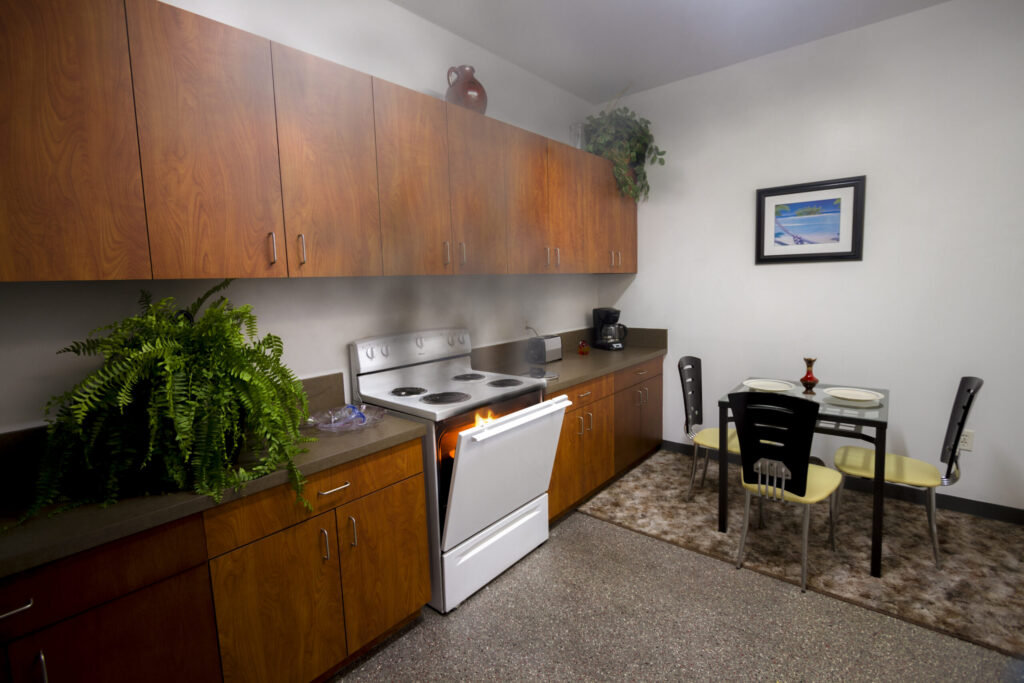
When a kitchen fire occurs, the visible flames are only part of the problem. Smoke spreads quickly throughout the home, penetrating walls, ceilings, cabinets, and even HVAC systems. Soot, the byproduct of combustion is acidic and oily, which allows it to adhere to surfaces and cause corrosion, discoloration, and permanent staining if not addressed properly.
Even a small kitchen fire can result in:
- Lingering smoke odor that spreads to other rooms
- Soot staining walls, cabinets, and floors
- Damage to appliances and electronics
- Degraded air quality that can affect your family’s health
Smoke damage is often invisible at first, but without professional intervention, it can continue to deteriorate your home for months. That’s why proper fire and smoke cleanup is crucial immediately after a fire.
1. Ensure Safety First
Before attempting any cleanup:
- Wait until authorities or firefighters confirm your home is safe to re-enter.
- Shut off gas, electricity, and HVAC systems to reduce the risk of shock or further fire hazards.
- Wear protective gear, including gloves, goggles, and a high-quality mask, to avoid exposure to harmful particles and fumes.
Kitchen fires often compromise the structure of cabinets, floors, and walls, so prioritizing safety is essential for anyone entering the affected area.
2. Assess and Document Damage
Before touching any surfaces or items, carefully inspect and document the damage. Take photos or videos of:
- Burned cabinets and countertops
- Soot-covered walls, ceilings, and appliances
- Damaged flooring and furniture
- Personal belongings that may require cleaning or replacement
Documentation is essential for insurance claims and helps both you and restoration professionals evaluate the full scope of the cleanup. Avoid discarding items until after they have been documented — some things may still be salvageable with professional restoration.
3. Ventilate Your Kitchen
Proper ventilation is critical to removing lingering smoke and improving indoor air quality. Open all windows and doors if the weather permits, and use fans to help circulate air. Professional restoration teams often use high-powered industrial fans to push smoke out of the home efficiently. Ventilation alone will not eliminate smoke residues, but it is an important first step in the cleanup process.
4. Remove Loose Soot and Debris
Soot is not just dust, it is sticky, oily, and highly acidic. Mishandling it can result in permanent staining. Before using any liquids, professionals:
- Use dry chemical sponges to lift soot from walls, ceilings, and other surfaces without smearing it further.
- Vacuum carpets, furniture, and upholstery with HEPA-filtered vacuums to remove tiny particles embedded deep in fibers.
Attempting to wipe soot with water or regular cleaning products can make the problem worse and create stains that are difficult or impossible to remove.
5. Deep Clean and Deodorize
Once loose soot and debris are removed, the deep cleaning process begins:
- Walls, cabinets, and countertops are cleaned using specialized detergents designed to neutralize smoke residues.
- Appliances are cleaned and assessed for potential repair or replacement.
- Smoke odors, which can penetrate surfaces and fabrics, are treated with advanced deodorization methods like thermal fogging or ozone treatments.
These methods neutralize smoke molecules at their source rather than just masking odors, ensuring a fresh, safe home environment.
6. Restore Air Quality and HVAC Systems
Smoke can travel through ductwork, circulating throughout your home. To ensure the air is safe to breathe, professionals:
- Replace HVAC filters
- Clean air ducts thoroughly
- Use HEPA and carbon filtration systems to remove airborne smoke particles
- Test and monitor indoor air quality until it reaches safe levels
Proper HVAC cleaning prevents smoke from lingering in unseen areas and protects the health of your family or tenants.
Common Mistakes to Avoid During Fire and Smoke Cleanup
1. Attempting DIY Cleanup
Household cleaners cannot remove smoke residues effectively. Improper cleaning can worsen staining and leave harmful residues behind.
2. Using HVAC Systems Too Soon
Running the heating or cooling system can spread soot to other areas, contaminating unaffected rooms.
3. Ignoring Hidden Areas
Smoke and soot often accumulate in hidden spaces like attics, behind cabinets, and inside closets. Professional equipment ensures these areas are treated properly.
4. Skipping Documentation
Proper documentation of damage is crucial for insurance claims. Without it, you risk delayed or denied coverage.
FAQs About Fire and Smoke Cleanup
Q: How soon should I start fire and smoke cleanup after a kitchen fire?
As soon as it’s safe. Quick action prevents permanent damage and reduces long-term costs.
Q: Can I wash smoke-damaged fabrics at home?
No. Specialized treatments are required before fabrics can be cleaned effectively without locking in odors or residues.
Q: Will my insurance cover cleanup?
Many homeowners’ insurance policies cover fire damage cleanup. Proper documentation and professional reports help maximize your claim.
Q: Does smoke damage ever go away on its own?
No. Smoke residues continue to damage surfaces and air quality without proper cleaning and deodorization.
Q: Is fire and smoke cleanup different from fire damage restoration?
Yes. Cleanup focuses on removing soot, smoke, and odors. Restoration includes rebuilding and repairing damaged structures and materials.
Summary
Fire and smoke cleanup after a kitchen fire is more than just removing soot and lingering odors. It’s a careful, step-by-step process that protects your home, health, and belongings. From safety precautions and documentation to deep cleaning, deodorization, and HVAC restoration, every step matters. Prompt, professional cleanup prevents long-term damage, restores air quality, and ensures your home is safe to live in.
Why Call PuroClean of Coral Gables
Kitchen fires can be stressful, but professional help makes recovery faster and safer. PuroClean of Coral Gables offers:
- 24/7 emergency response
- Expert soot and smoke removal
- Advanced odor neutralization
- Comprehensive air quality restoration
- Insurance documentation support
When smoke and soot threaten your home, don’t wait. Call PuroClean of Coral Gables for fast, reliable, and professional fire and smoke cleanup services. Your home and peace of mind deserve nothing less.