 PuroClean of Coral Gables
Table of Contents
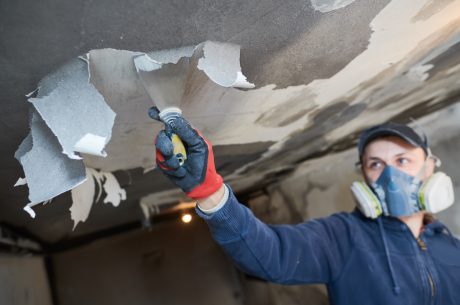
When a home experiences Fire and Water Damage, most people focus on the visible destruction—charred walls, wet floors, smoke stains, and ruined belongings. But what homeowners rarely see are the hidden dangers quietly spreading long after the flames are out and the water has stopped flowing. These overlooked threats can compromise your safety, weaken your home’s structure, and create costly long-term problems if not addressed quickly and correctly.
This article breaks down the most common hidden dangers after Fire and Water Damage, what they mean for your home, and why professional cleanup is essential. If you’re dealing with this kind of disaster, understanding what’s happening behind the scenes will help you make safer and smarter decisions.
Why Fire and Water Damage Creates Hidden Threats
Fire and Water Damage often happen together. When firefighters extinguish a fire, they use large amounts of water. This combination creates a complex environment inside your home:
- High heat opens pores in building materials
- Water fills those pores and spreads deeply
- Smoke travels into cracks and microscopic spaces
- Moisture gets trapped out of sight
- Structural components weaken without visible signs
These conditions make hidden dangers extremely common and extremely risky.
Let’s explore the threats you should never ignore.
1. Soot Penetration Deep Inside Walls and Furniture
Soot from Fire and Water Damage is much more harmful than ash or simple dirt. It contains toxic chemicals that cling to surfaces and settle into porous materials like:
- Carpets
- Drywall
- Wood cabinets
- Insulation
- Upholstered furniture
Even if your walls look “clean,” soot can be trapped beneath the surface.
Why This Is Dangerous
Soot particles are acidic. Over time, they can:
- Eat away at surfaces
- Discolor materials permanently
- Release bad odors
- Cause respiratory issues
If you wipe soot incorrectly, it smears and spreads deeper. Only professionals can properly remove soot from areas you can’t see.
2. Structural Weakness That Isn’t Obvious
After Fire and Water Damage, structural issues are extremely common—but many homeowners don’t recognize them.
High heat can:
- Warp beams
- Weaken support columns
- Damage roof trusses
- Crack concrete
Water can:
- Soften drywall
- Rot wood
- Damage subflooring
- Weaken load-bearing materials
The Hidden Risk
Even if a surface looks intact, it may have lost its strength. Floors may sag slowly. Walls may become soft over time. Ceilings may collapse weeks after the fire.
This is why professional assessment is non-negotiable.
3. Mold Growth Accelerates After Fire and Water Damage
Whenever moisture is present, mold grows. When combined with heat and humidity after Fire and Water Damage, mold can spread in as little as 24 hours.
What makes this worse is that mold almost always grows in hidden spaces:
- Behind walls
- Under flooring
- Inside HVAC ducts
- In crawl spaces
The Real Danger
Mold exposure can lead to:
- Breathing problems
- Worsened allergies
- Headaches
- Long-term indoor air quality issues
And mold remediation becomes more expensive the longer it goes untreated.
4. Electrical Hazards Hidden in the Walls
Fire and Water Damage often affect wiring, outlets, breaker boxes, and electrical panels. Even a small amount of water can cause:
- Short circuits
- Exposed live wires
- Electrical fires
- Damaged appliances
What makes electrical damage especially dangerous is that it’s invisible until something goes wrong.
Only a licensed professional should inspect your electrical system after an incident.
5. Contaminated Water and Toxic Residue
When water is used to extinguish a fire, it doesn’t stay clean. It mixes with:
- Chemicals from burned materials
- Soot
- Debris
- Insulation fibers
- Bacteria from stagnant pools
This contaminated mixture spreads across surfaces and seeps into materials.
Why This Is a Health Risk
Toxic residue can cause:
- Skin irritation
- Lung irritation
- Long-term environmental damage inside your home
You should never attempt to clean these contaminants without protective equipment or proper knowledge.
6. HVAC System Contamination
Your HVAC system acts like a highway for smoke and moisture during Fire and Water Damage.
Air ducts can trap:
- Smoke odors
- Soot
- Mold spores
- Moisture droplets
- Debris
When the system turns on again, these contaminants spread throughout the home.
The Hidden Problem
Most homeowners don’t know the HVAC system is affected until odors persist weeks later. Professional duct cleaning is essential.
7. Hidden Damage to Personal Belongings
After Fire and Water Damage, some belongings may look fine but are actually damaged internally.
For example:
- Wooden furniture may be absorbing moisture
- Electronics may be corroding inside
- Clothing may contain soot particles
- Documents may be deteriorating
Restoration companies can salvage expensive items using specialized equipment that homeowners don’t have.
How Professionals Detect Hidden Dangers
Top-ranking restoration companies use science-based inspection tools such as:
- Moisture meters
- Thermal imaging cameras
- Hygrometers
- Air scrubbers
- HEPA vacuums
These tools reveal hidden issues that visual inspections alone cannot catch.
Avoid These Common Mistakes After Fire and Water Damage
Many homeowners unknowingly make problems worse. Avoid the following:
Mistake 1: Delaying cleanup
Waiting even a few hours allows moisture and soot to spread.
Mistake 2: Trying DIY cleaning
Wiping soot incorrectly embeds it deeper.
Mistake 3: Turning on the HVAC system too soon
This circulates contaminants everywhere.
Mistake 4: Throwing away salvageable items
Restoration professionals can often save valuable possessions.
Mistake 5: Underestimating the seriousness
Fire and Water Damage cleanup is a science—not a regular cleaning job.
FAQs About Fire and Water Damage
What should I do first after Fire and Water Damage?
Ensure safety, contact professionals, and avoid touching affected areas until inspected.
How long does it take for mold to grow after water damage?
Mold can begin growing within 24 to 48 hours.
Is Fire and Water Damage covered by insurance?
Most homeowners’ policies cover both, but documentation is crucial.
Can I stay in my home after Fire and Water Damage?
It depends on the severity. Odors, soot, and structural dangers often make homes temporarily unsafe.
How long does restoration take?
Anywhere from 3 days to several weeks, depending on the extent of the damage and reconstruction required.
Why PuroClean of Coral Gables Is the Trusted Local Expert in Fire and Water Damage Cleanup
PuroClean of Coral Gables specializes in identifying and eliminating these hidden dangers. Their technicians are trained to assess damage thoroughly and restore homes using advanced technology and proven techniques.
Their services include:
- Soot and smoke removal
- Water extraction and structural drying
- Mold prevention
- HVAC and air quality cleanup
- Odor elimination
- Full restoration support
- Insurance claim assistance
When you’re facing Fire and Water Damage, you need more than surface-level cleaning. You need a team trained to protect your home’s structure, your air quality, and your family’s health.
Call PuroClean of Coral Gables today for immediate, reliable, and expert restoration services. Your home deserves a safe and professional recovery.
Final Summary
The hidden dangers after Fire and Water Damage are often more serious than the visible damage. Soot, mold, weakened structures, contaminated air, damaged wiring, and toxic residue can put your health and home at risk. This guide explained what homeowners usually miss and why professional cleanup is the safest and smartest choice.
For Coral Gables residents, PuroClean is a trusted expert that restores your home properly while protecting you from long-term problems.



 PuroClean of Coral Gables