 PuroClean of Coral Gables
Table of Contents
The short answer is no, you generally cannot live in a fire damaged house in Coral Gables until it has been professionally inspected, cleaned, and restored. Even if the fire seems small or contained, the hidden dangers—like structural weakness, smoke residue, and toxic soot—make it unsafe for occupancy. However, once professionals have repaired and cleared the property, your home can become safe, livable, and even better than before.
In this guide, you’ll learn exactly what makes a fire damaged house unsafe, what must be checked before re-entry, how restoration works, and why trusting experts like PuroClean of Coral Gables is essential for your safety and peace of mind.
Understanding a Fire Damaged House
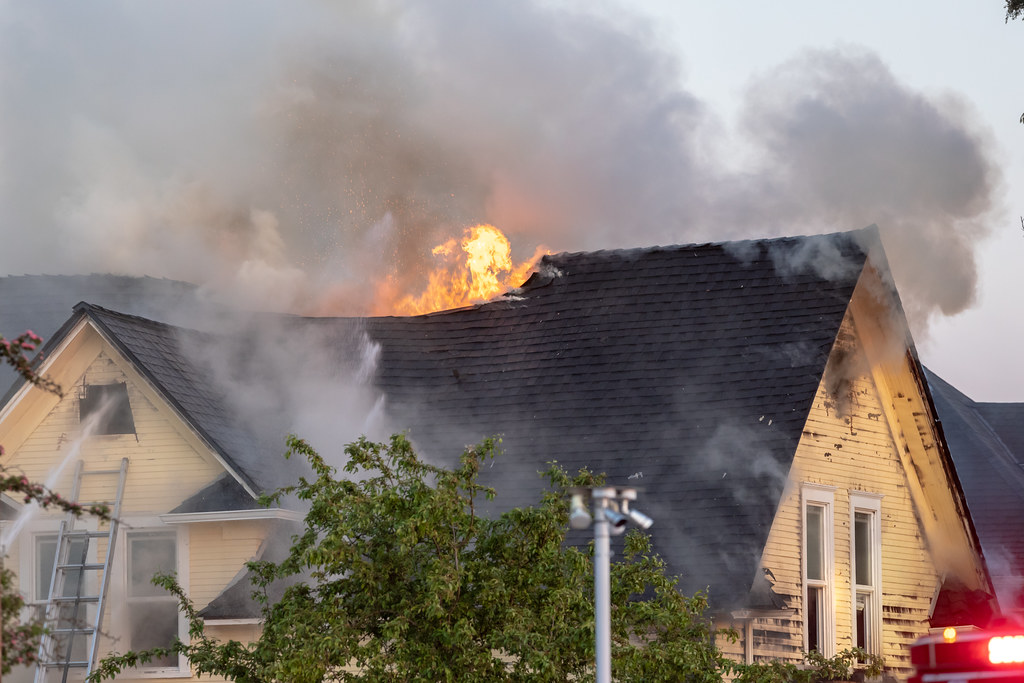
When people think of a fire damaged house, they often imagine charred walls, burnt furniture, or a smoky odor. While these are visible signs, the real danger often hides beneath the surface. Fires compromise not just the structure of a home but also the air quality, wiring, and materials inside.
A fire damaged house can contain:
- Weak or unstable framing and beams
- Damaged electrical wiring that could cause another fire
- Contaminated air filled with soot and toxins
- Mold growth due to water from firefighting efforts
- Residual odors that can linger for months
Even if one area of your Coral Gables home appears untouched, smoke and soot can spread quickly through the ventilation system, seeping into walls, ceilings, and furniture. That’s why it’s never safe to assume that a fire damaged house is livable without professional assessment.
Why Living in a Fire Damaged House is Dangerous
Many homeowners are tempted to move back in quickly after a fire, especially if only part of the property was affected. However, living in a fire damaged house poses serious health and safety risks.
1. Structural Instability
The intense heat from a fire can weaken wooden beams, floors, and ceilings. Even small fires can cause hidden damage that makes your home structurally unsound. Floors may sag, walls may shift, and roofs can become unsafe without showing visible signs.
2. Electrical Hazards
Fires often melt insulation around wires or damage electrical panels. Turning the power back on without proper inspection could result in electric shocks, sparks, or even another fire.
3. Toxic Air Quality
Soot, smoke, and residue from burned materials release harmful chemicals. These particles can irritate the lungs, trigger asthma, and cause headaches or long-term respiratory issues. Prolonged exposure can make you sick even if you don’t immediately notice it.
4. Water and Mold Damage
Firefighting efforts often introduce large amounts of water into your home. If this moisture isn’t removed quickly, mold can start to grow within 24 to 48 hours. Mold spores are another invisible hazard that can worsen allergies and breathing problems.
5. Lingering Smoke and Odor
A fire damaged house carries persistent smoke odors that cling to furniture, walls, and fabrics. These odors are more than just unpleasant—they signal the presence of microscopic soot particles still trapped inside the structure.
Steps to Take Before Reentering a Fire Damaged House
If your Coral Gables home has experienced a fire, patience and professional guidance are crucial. Before moving back in, several important steps must be completed.
1. Structural Assessment
A licensed structural engineer should inspect the home’s foundation, support beams, and load-bearing walls to ensure the structure is stable. Any weakness could lead to partial collapse.
2. Electrical and Gas Inspection
Before restoring utilities, an electrician and gas technician should evaluate the systems for safety. Hidden damage to wires or gas lines can cause new fires or gas leaks.
3. Smoke and Soot Cleaning
Smoke travels everywhere during a fire, even into areas that look unaffected. Professional cleaning and deodorization are needed to remove toxic soot and smoke particles from air ducts, furniture, and walls.
4. Water Removal and Mold Remediation
All excess moisture must be removed using industrial drying equipment. Mold testing should be conducted to confirm the air is safe to breathe before returning home.
5. Air Quality Testing
Experts use specialized equipment to measure carbon monoxide, soot particles, and other airborne contaminants. Only when air quality tests show safe levels should re-entry be considered.
Until these steps are completed, a fire damaged house is not safe for living.
When Can You Live in a Fire Damaged House?
There are rare situations where partial occupancy might be possible, but only under strict conditions. This is typically when:
- The fire was small and confined to one room
- The unaffected area has been professionally inspected and cleaned
- Utilities are confirmed safe
- Air quality tests show no contamination
- The damaged section is completely sealed off
Even then, it is not ideal. Living near the damaged portion can still expose you to harmful fumes or irritants. In Coral Gables, where humidity levels are high, the risk of mold spreading quickly makes temporary relocation a smarter choice until full restoration is complete.
Health Risks of Staying in a Fire Damaged House
Attempting to live in a fire damaged house before restoration can have serious health consequences. Common symptoms include:
- Breathing difficulties and persistent coughing
- Eye and throat irritation
- Skin rashes or allergic reactions
- Headaches and fatigue due to poor air quality
- Long-term lung issues from soot inhalation
Children, elderly individuals, and people with respiratory conditions are especially vulnerable. These health risks alone make it clear why staying in a fire damaged house is not worth the risk.
How a Fire Damaged House is Professionally Restored
Restoring a fire damaged house in Coral Gables is a detailed, multi-step process. Professionals like PuroClean of Coral Gables follow industry standards to bring your home back to life safely and efficiently.
Step 1: Emergency Response and Board-Up
After a fire, securing the property is the first priority. Restoration teams board up windows and doors and cover damaged roofs to prevent further harm from weather or vandalism.
Step 2: Damage Assessment
A complete inspection is carried out to evaluate fire, smoke, and water damage. The restoration plan is then tailored to your home’s specific needs.
Step 3: Debris and Damaged Material Removal
All charred materials, burned furniture, and debris are safely removed. This clears the way for thorough cleaning and reconstruction.
Step 4: Water Extraction and Drying
Using industrial-grade dehumidifiers and air movers, professionals remove excess water to prevent mold growth.
Step 5: Smoke and Soot Cleanup
Technicians use advanced cleaning agents, HEPA vacuums, and air scrubbers to eliminate soot particles and neutralize odors.
Step 6: Structural Repairs
Damaged drywall, flooring, ceilings, and framing are repaired or replaced to restore stability and integrity.
Step 7: Odor Removal and Air Purification
Ozone treatments or hydroxyl machines are used to purify indoor air and completely remove smoke odors.
Step 8: Final Inspection
Once restoration is complete, professionals perform final testing to confirm air quality and safety before you move back in.
This thorough approach ensures your home is not only clean but also completely safe and comfortable again.
Local Challenges in Coral Gables Fire Restoration
Restoring a fire damaged house in Coral Gables comes with unique challenges that require local expertise:
- Humidity and Mold Growth: The tropical climate makes moisture control crucial during restoration.
- Historic Homes: Many Coral Gables properties are older and require careful handling of traditional materials.
- Building Codes: Local regulations are strict, especially regarding electrical systems and hurricane-resistant rebuilding.
- Insurance Coordination: Navigating insurance claims can be complex, and local restoration experts know how to handle the paperwork efficiently.
These challenges make professional restoration not just advisable, but essential.
Frequently Asked Questions
Q1: How long does it take to restore a fire damaged house?
It depends on the severity of the fire. Minor cases can take a few days, while extensive damage might require several weeks or months.
Q2: Can I stay in part of my house while restoration happens?
Only if professionals confirm it’s safe. Even then, it’s usually better to relocate temporarily to avoid health risks and delays.
Q3: Will insurance cover temporary housing?
Most homeowner insurance policies include “loss of use” coverage, which helps pay for hotel stays or rental housing while your home is being repaired.
Q4: Can I clean up smoke and soot myself?
DIY cleaning is not recommended. Soot and smoke residue can spread easily and cause permanent stains or health hazards without the right equipment.
Q5: Is a fire damaged house ever beyond repair?
Yes, in severe cases where the structure is compromised beyond safety standards, demolition and rebuilding may be the only option.
Conclusion
To sum it up, living in a fire damaged house in Coral Gables is generally unsafe until the home is fully inspected, cleaned, and restored by professionals. The risks to your health and safety simply aren’t worth it. However, with professional restoration services, your home can be made safe again—and often improved in the process.
If your property has been affected by fire, don’t take chances. PuroClean of Coral Gables specializes in comprehensive fire damage restoration, from emergency board-up to full structural repair and odor removal. Our certified technicians use advanced equipment to ensure your home is safe, clean, and ready to welcome you back.
Call PuroClean of Coral Gables today for a professional inspection and let us restore your fire damaged house to its pre-loss condition. (305) 894-4343
Your safety and peace of mind are our top priorities because after the fire, home is where healing begins.

 PuroClean of Coral Gables