


Table of Contents
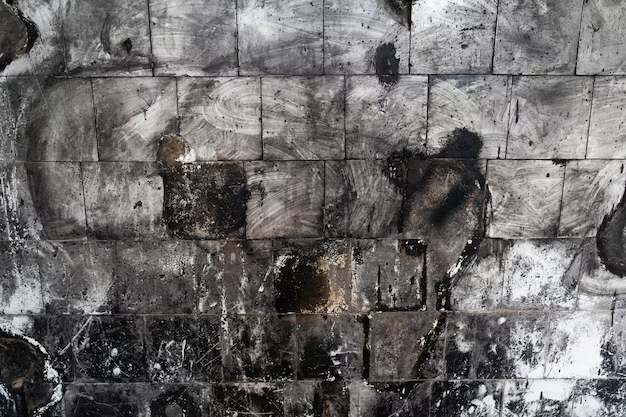
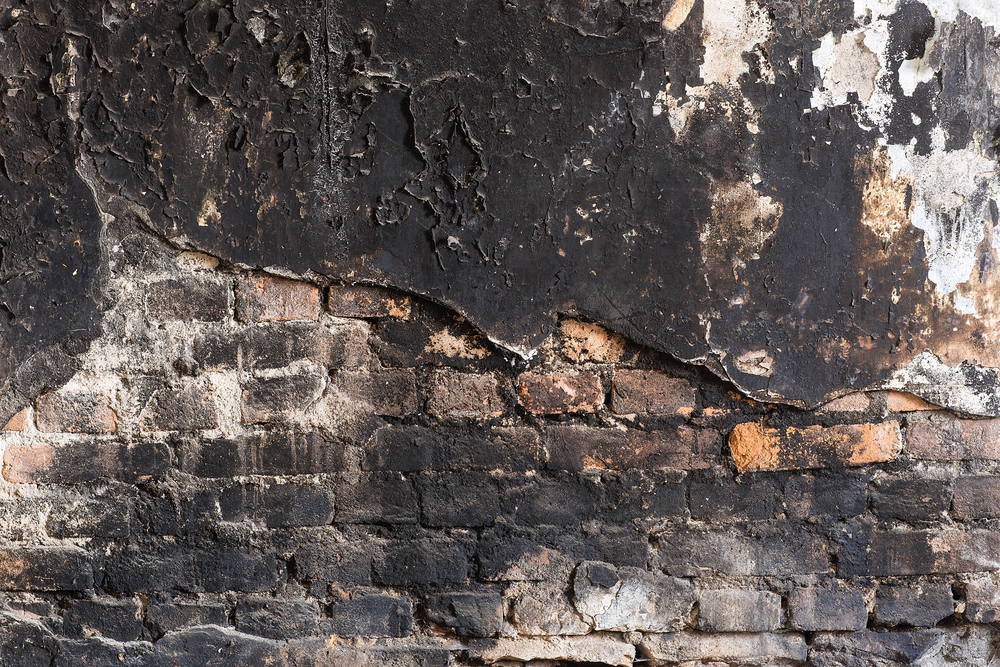
Fire damaged walls can be one of the most overwhelming sights after a fire. The blackened stains, lingering smoke odor, and damaged paint can make a home feel unlivable. But restoration is possible. With the right process, soot removal, odor neutralization, sealing, and repainting, you can bring your walls back to life.
This blog post breaks down exactly how to restore fire damaged walls step by step. We’ll cover what works, what doesn’t, and why professional help often makes the difference. By the end, you’ll know how to return your home’s walls to a safe, clean, and beautiful condition.
1. Begin with Proper Soot Removal
The first and most critical step in restoring fire damaged walls is removing soot. This isn’t as simple as grabbing a sponge and scrubbing away, doing so can actually make the problem worse.
- Use the right tools. A dry chemical sponge, also called a soot sponge, is specially designed to lift soot off walls without smearing it. Unlike regular sponges, it absorbs soot particles rather than spreading them around.
- Work carefully. Always wipe in straight, gentle strokes from top to bottom. Rubbing in circles can grind soot deeper into the surface.
- Vacuum with precision. After sponging, use a vacuum equipped with a HEPA filter. This ensures fine soot particles are captured and not blown back into the air, which could worsen indoor air quality.
Why this matters: Soot is acidic. If it’s not properly removed, it can stain walls permanently and even damage the wall material over time.
2. Clean Residual Smoke Residue and Odor
Even after the soot is removed, fire damaged walls often carry stubborn smoke residue and odor. This is where cleaning solutions come into play.
- Mild cleaning solutions. A mix of white vinegar and warm water is an effective natural cleaner for light smoke film. Vinegar helps break down residue while also neutralizing odor.
- Detergents or specialized cleaners. For tougher buildup, diluted solutions of mild detergents or specialized restoration cleaners are needed. These help lift oily soot without damaging paint or drywall.
- Addressing smoke odor. While surface cleaning helps, smoke odor is notorious for lingering deep inside wall pores. For mild cases, setting out bowls of baking soda or activated charcoal can help absorb odor. For heavier cases, more advanced methods like ozone treatments or thermal fogging may be necessary—techniques that only professionals can provide.
Why this matters: If smoke odor isn’t addressed at this stage, it will linger even after repainting, making the space uncomfortable and unhealthy.
3. Seal Fire Damaged Walls to Prevent Bleed-Through
One of the biggest mistakes homeowners make is jumping straight from cleaning to painting. Without sealing, stains and odors will often return.
- Use the right primer. Oil-based or shellac-based primers are the gold standard for sealing fire damaged walls. These primers don’t just cover stains; they lock them in so they don’t seep through fresh paint.
- Apply carefully. Sealing requires even application, often in two coats for heavy damage. Proper ventilation is essential, as these primers have strong fumes.
- Test first. Before repainting, inspect the sealed surface for any lingering discoloration or odor. If needed, add another layer of primer for full protection.
Why this matters: Think of sealing as putting a lock on your walls. Without it, no amount of paint can hide or block the evidence of fire damage.
4. Repaint to Restore Appearance and Durability
Finally, it’s time to restore the beauty of your walls. Painting over sealed walls gives them a fresh, renewed look.
- Choose quality paint. Low-quality paint may not fully cover the primer or may fade unevenly. Invest in durable, high-quality paint for lasting results.
- Use at least two coats. A single coat rarely provides complete coverage, especially over previously damaged walls. Two coats ensure a uniform finish.
- Match the existing finish. Whether your walls are eggshell, satin, or matte, using the same finish ensures consistency across the entire room.
Why this matters: A proper paint job not only restores the look of your walls but also adds a protective layer for durability.
5. Why Professional Restoration Makes the Difference
While some homeowners may attempt DIY methods, restoring fire damaged walls often requires professional expertise. Here’s why:
- Specialized equipment. Professionals use industrial-grade tools like HEPA vacuums, air scrubbers, and ozone machines that aren’t typically available to the average homeowner.
- Experience with soot types. Not all soot is the same, some are dry and powdery, while others are oily or sticky. Professionals know which cleaning agents and techniques work best for each type.
- Time and safety. Fire damage cleanup involves exposure to fine particles and strong chemicals. Professionals have the training and protective equipment to do the job safely.
- Insurance documentation. Most restoration companies provide detailed documentation of damage and repairs, which can be essential for filing successful insurance claims.
Why this matters: Attempting restoration without the right tools or knowledge can lead to incomplete results, wasted money, or even health risks.
FAQs: Your Quick Questions Answered
Q: Can I just paint over fire-stained walls?
No. Without proper soot removal and sealing, stains and odors will eventually bleed back through.
Q: What happens if I skip sealing?
Skipping primer or sealer almost guarantees that smoke stains and odors will return, even under multiple coats of paint.
Q: Can vinegar or baking soda completely remove smoke odor?
They can help in mild cases, but severe smoke odor requires professional deodorization methods like ozone treatment or thermal fogging.
Q: How long does it take to restore fire damaged walls?
Depending on the severity, it can take anywhere from a few days to several weeks, especially if professional odor treatments and repainting are involved.
Q: Is it safe to clean fire damaged walls myself?
Light cleaning may be safe, but heavy soot exposure can cause respiratory issues. Wearing proper protective equipment is crucial.
Restoring Your Fire Damaged Walls
Restoring fire damaged walls is more than a cosmetic project, it’s about safety, health, and long-term durability.
To recap, the process involves:
- Removing soot with the right tools.
- Cleaning away smoke residue and neutralizing odor.
- Sealing walls to prevent future bleed-through.
- Repainting for appearance and strength.
- Calling professionals when damage is extensive.
Your home deserves more than a quick fix. Done correctly, the walls can look and feel brand new—without the worry of hidden damage or lingering smoke.
At PuroClean of Coral Gables, we specialize in fire damage restoration. Our certified experts handle everything from soot removal and odor control to sealing and repainting. We don’t just clean your walls—we restore your peace of mind.
If your home has fire damaged walls, contact PuroClean of Coral Gables today. Let us help you bring your home back to life. (305) 894-4343.