 PuroClean of Coral Gables
Table of Contents
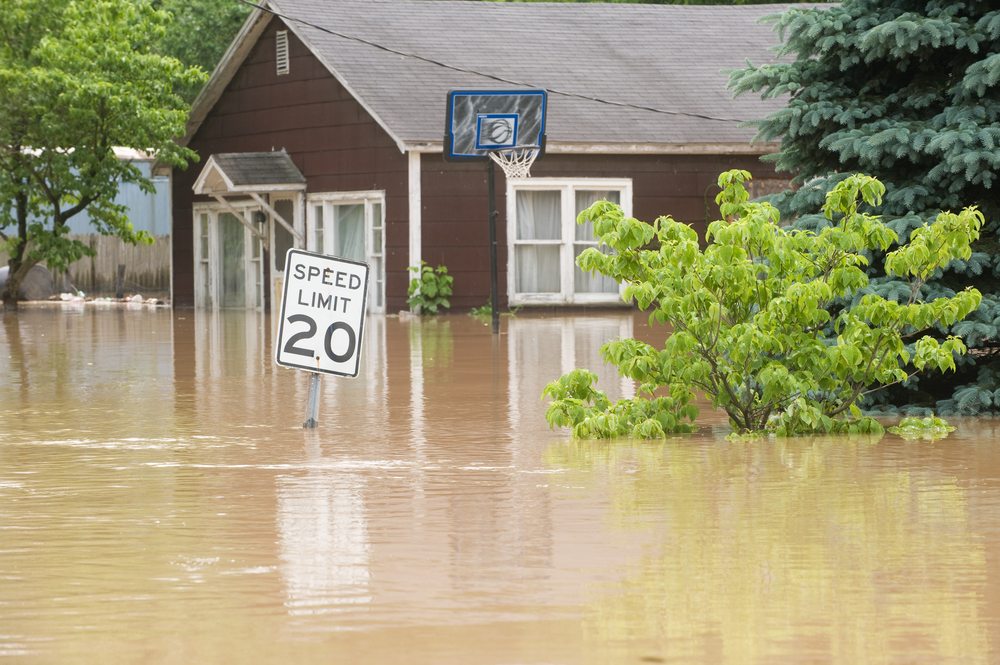
Flood restoration starts the moment the water stops rising. If your Coral Gables home has been flooded, the first priorities are safety, documentation, insurance notification, and calling a professional flood restoration company. Acting quickly prevents mold growth, structural damage, and costly long-term repairs. This step-by-step guide walks you through exactly what to do and how professional help protects your home and peace of mind.
Why Flooding in Coral Gables Is Different
Living in Coral Gables means sunshine, coastal beauty, and unfortunately, serious storm risks. Heavy rainfall, tropical storms, hurricanes, and a high water table make homes in South Florida especially vulnerable to flooding.
When floodwater enters your home, the damage doesn’t stop when the water disappears. Moisture seeps into drywall, insulation, flooring, and structural framing. Within 24–48 hours, mold can begin forming. Electrical systems can corrode. Wood can warp. Air quality can decline.
This is why flood restoration is not just about removing water, it’s about protecting your home from deeper, hidden damage.
Let’s break down exactly what to do.
1. Prioritize Safety Before Entering
After a flood, your home may not be safe.
Before stepping inside:
- Ensure local authorities have declared the area safe.
- Shut off electricity and gas if possible.
- Avoid standing water if power is still active.
- Wear protective gloves, boots, and a mask.
Floodwater often contains contaminants, bacteria, chemicals, or sewage. Safety always comes first.
2. Document Everything Before Cleanup Begins
It’s tempting to start cleaning immediately. Don’t.
Take clear photos and videos of:
- Water lines on walls
- Damaged flooring
- Furniture and appliances
- Personal belongings
- Exterior damage
Insurance claims rely heavily on documentation. The more detailed your records, the smoother your claim process will be.
Pro tip: Capture close-up and wide-angle shots for full context.
3. Contact Your Insurance Company Immediately
Flood insurance is typically separate from standard homeowner policies.
Call your provider and:
- Start a claim right away
- Ask about coverage limits
- Understand your deductible
- Document claim numbers and adjuster contacts
The earlier you begin, the faster the recovery process moves forward.
4. Call a Professional Flood Restoration Company
This step is critical.
Many homeowners attempt DIY cleanup with shop vacuums and fans. Unfortunately, visible water is only part of the problem. Hidden moisture inside walls, under flooring, and within insulation can remain long after surfaces look dry.
Professional flood restoration includes:
- Industrial water extraction
- Moisture detection with thermal imaging
- Structural drying with commercial equipment
- Dehumidification to control humidity levels
- Sanitization and deodorization
Time matters. Mold can begin forming within 24 hours in South Florida’s humid climate.
5. Remove Standing Water Quickly
Water removal is the first major phase of flood restoration.
High-powered pumps and extraction systems remove large volumes of water rapidly. The faster this happens, the less damage spreads to:
- Subflooring
- Structural beams
- Cabinet bases
- Electrical systems
Even a few extra hours can increase repair costs significantly.
6. Begin Professional Drying and Dehumidification
Drying isn’t just about air.
Professional crews use:
- Commercial air movers
- High-capacity dehumidifiers
- Moisture meters
- Thermal cameras
They monitor moisture levels daily to ensure complete drying, not just surface dryness.
This step prevents mold, warping, and structural weakening.
7. Remove Unsalvageable Materials
Not everything can be saved.
Materials commonly removed after flood damage include:
- Carpet padding
- Wet insulation
- Severely damaged drywall
- Particleboard cabinets
- Warped baseboards
Removing compromised materials prevents future contamination and mold spread.
While it may feel overwhelming, selective removal often saves the larger structure of your home.
8. Clean, Sanitize, and Deodorize
Floodwater can carry bacteria, chemicals, and debris.
Professional flood restoration includes:
- Antimicrobial treatments
- Surface disinfection
- Odor neutralization
- Air scrubbing if needed
This protects your family’s health and ensures your home doesn’t retain lingering smells or contaminants.
9. Repair and Rebuild Damaged Areas
Once drying and cleaning are complete, reconstruction begins.
This may include:
- Replacing drywall
- Installing new flooring
- Repainting
- Repairing cabinetry
- Restoring structural components
The goal is returning your home to its pre-loss condition, safely and properly.
Professional restoration ensures repairs meet building standards and are completed efficiently.
10. Take Preventative Steps for the Future
After experiencing flooding once, prevention becomes a priority.
Consider:
- Installing a sump pump
- Improving yard drainage
- Cleaning gutters regularly
- Elevating appliances
- Sealing foundation cracks
Flood restoration is not just reactive, it can help guide proactive solutions to reduce future risk.
Why Acting Fast Saves Thousands
The biggest mistake homeowners make after a flood is waiting.
Delays can lead to:
- Mold infestations
- Structural weakening
- Electrical corrosion
- Higher insurance complications
- More expensive reconstruction
Quick professional flood restoration reduces overall repair costs and shortens recovery time.
FAQs About Flood Restoration in Coral Gables
How soon should I begin flood restoration?
Immediately. The first 24–48 hours are critical to prevent mold and structural damage.
Can I handle flood cleanup myself?
Minor drying may help temporarily, but professional equipment is required to remove hidden moisture and ensure complete drying.
How long does flood restoration take?
It depends on severity. Small cases may take a few days. Larger losses may take several weeks including repairs.
Does flood damage always cause mold?
Not always but in humid climates like Coral Gables, mold growth is highly likely if moisture isn’t removed quickly.
Is flood restoration covered by insurance?
If you have flood insurance coverage, it may be. Always confirm details with your provider.
What Should Coral Gables Homeowners Do After a Flood?
Flood restoration begins with safety, documentation, and calling professionals immediately. Acting quickly prevents mold, structural damage, and escalating repair costs. Water removal, drying, sanitization, and reconstruction must be handled thoroughly to restore your home properly.
If your Coral Gables home has experienced flooding, you don’t have to handle it alone.
Call the Experts at PuroClean of Coral Gables at (305) 894-4343.
At PuroClean of Coral Gables, we understand how stressful flooding can be. Our team responds quickly, uses advanced restoration technology, and works directly with insurance providers to simplify the process.
We provide:
- 24/7 emergency response
- Complete water extraction
- Professional drying and dehumidification
- Mold prevention
- Full restoration and repairs
When flood damage strikes, every minute counts.
Call PuroClean of Coral Gables today and let us restore your home safely, professionally, and with care.


 PuroClean of Coral Gables