

Table of Contents
Flood Risk in Coral Gables is a real and growing concern for homeowners and business owners alike. With heavy rainfall, hurricanes, rising groundwater, and aging drainage systems, flooding can happen faster than many people expect. This guide explains why Coral Gables is vulnerable, what puts your property at risk, and how you can protect your home before damage occurs. If flooding does happen, you’ll also know exactly what steps to take next.
Coral Gables faces flooding due to low elevation, intense storms, and overwhelmed drainage systems. Understanding your exposure, preparing your property, and acting fast after water intrusion can significantly reduce damage and repair costs. Professional flood damage cleanup is often the safest and most effective solution. Call us on (305) 894-4343 for fast flood cleanup in Coral Gables.
Why Coral Gables Is Prone to Flooding
Coral Gables is known for its beautiful neighborhoods, historic homes, and tree-lined streets—but its geography creates unique challenges.
Several factors contribute to local flooding:
- Low-lying terrain close to sea level
- Heavy seasonal rainfall, especially during hurricane season
- Storm surge from tropical systems
- Rising groundwater levels
- Older stormwater infrastructure in some areas
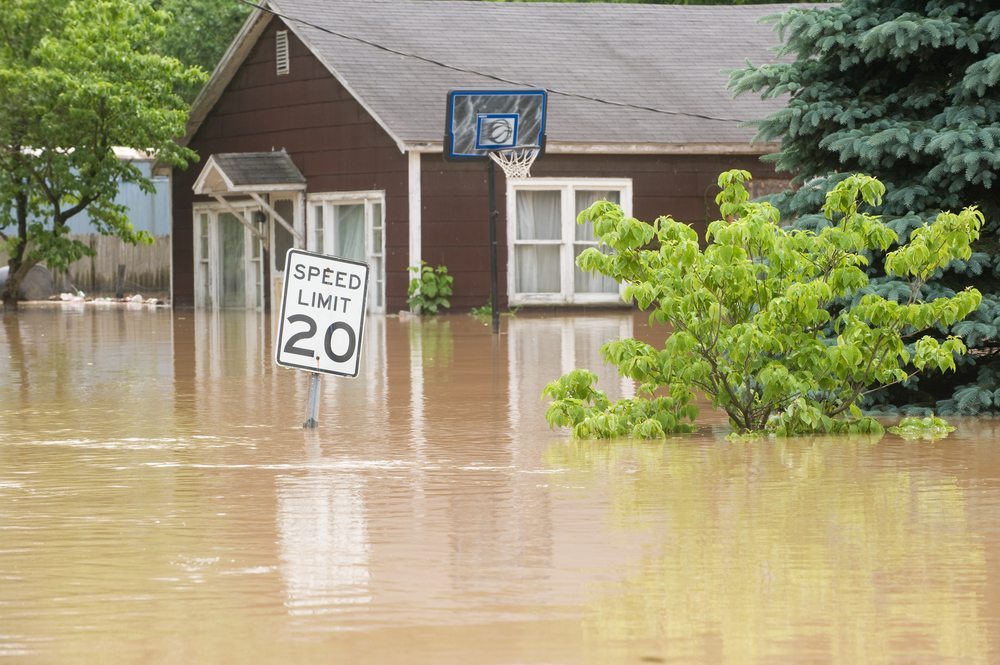
When intense rain falls faster than water can drain, it backs up into streets, yards, and eventually buildings. Even homes outside official flood zones can experience serious water intrusion.
Understanding Flood Zones and Local Exposure
Many homeowners assume they’re safe simply because they’re not in a high-risk flood zone. Unfortunately, that’s not always true.
Flood maps are helpful, but they don’t account for:
- Blocked storm drains
- Sudden downpours
- Infrastructure failure
- Construction-related runoff
In Coral Gables, localized flooding is common after strong storms, even in moderate-risk zones. That’s why preparation matters regardless of location.
Common Causes of Flood Damage in Coral Gables Homes
Flooding doesn’t always mean water rushing in from outside. Some of the most damaging incidents start quietly.
1. Stormwater Intrusion
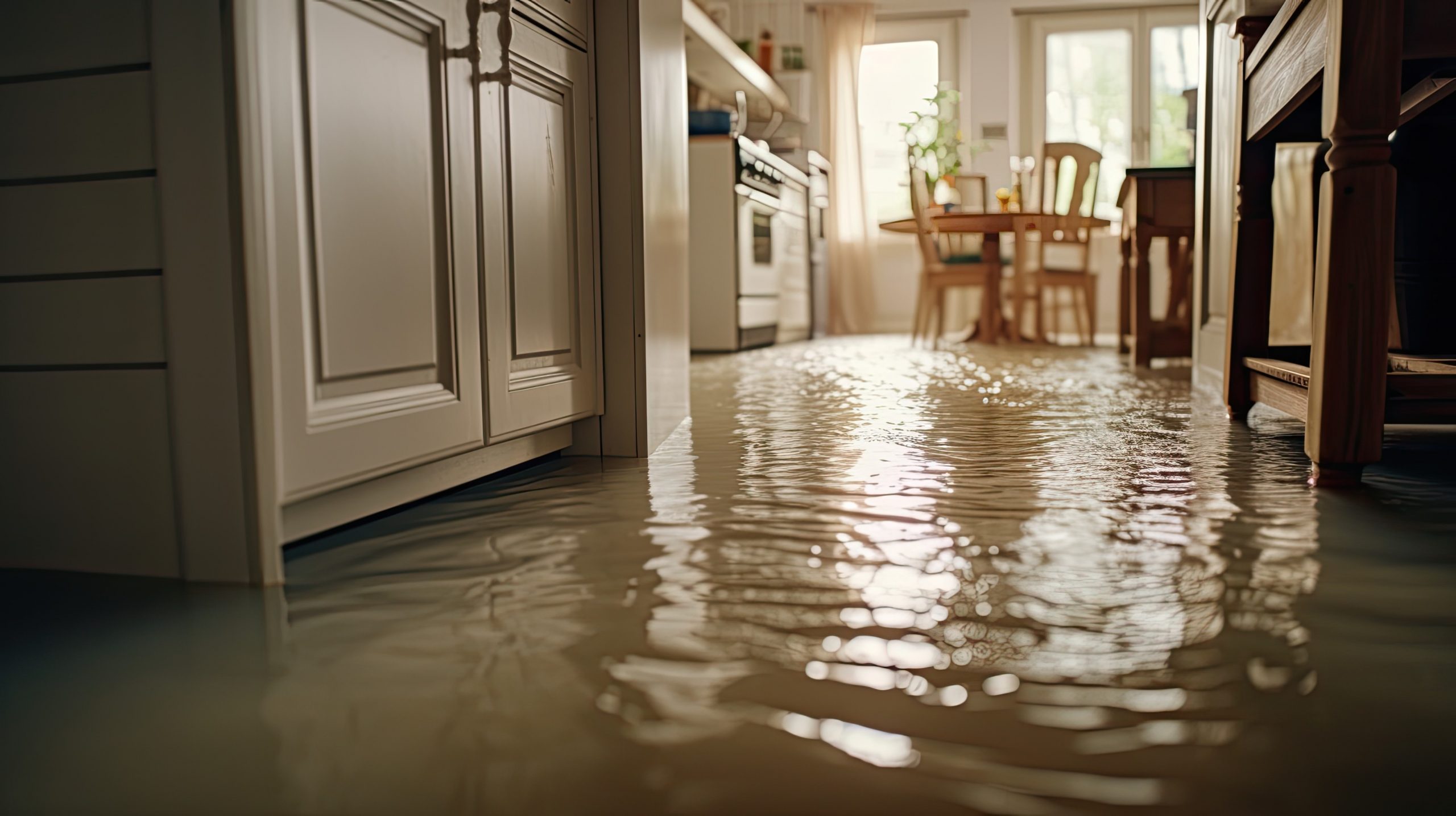
Heavy rain can overwhelm drainage systems, pushing water through doors, garages, and ground-level windows.
2. Sewer and Drain Backups
When municipal systems overload, wastewater can flow back into homes—creating a serious health hazard.
3. Foundation Seepage
High groundwater levels allow moisture to seep through cracks in slabs and walls.
4. Roof and Window Failures
Wind-driven rain can penetrate damaged roofs, seals, or flashing during storms.
Warning Signs Your Property May Be at Risk
Spotting early signs can help prevent major losses.
Watch for:
- Pooling water near the foundation
- Slow-draining sinks or floor drains
- Musty odors after rain
- Water stains on walls or baseboards
- Cracks in concrete slabs or exterior walls
These issues may indicate drainage problems or hidden moisture buildup.
How to Reduce Flood Risk and Protect Your Property
Improve Exterior Drainage
- Keep gutters and downspouts clear
- Extend downspouts away from the foundation
- Grade soil so water flows away from the home
Seal Entry Points
- Install weather stripping on doors
- Seal foundation cracks
- Check window and door frames regularly
Install Flood Prevention Devices
- Backflow valves on sewer lines
- Sump pumps with battery backups
- Flood vents in crawl spaces
Prepare Before Storm Season
- Secure outdoor items
- Inspect the roof annually
- Keep storm drains near your property clear
Preparation doesn’t eliminate flooding—but it can significantly reduce damage.
What to Do Immediately After Flooding Occurs
If water enters your property, fast action is critical.
- Ensure safety first – Avoid standing water if electricity is present
- Stop the source if possible
- Document the damage for insurance
- Call a professional cleanup team immediately
Delaying cleanup allows moisture to spread into walls, flooring, and insulation, increasing repair costs and mold risk.
Why Professional Flood Damage Cleanup Matters
Floodwater often contains contaminants, bacteria, and debris that make DIY cleanup unsafe.
Professional restoration teams:
- Remove standing water efficiently
- Use industrial drying equipment
- Detect hidden moisture
- Prevent mold growth
- Restore affected areas safely
Proper cleanup protects both your property and your health.
FAQs: Flooding in Coral Gables
Is flooding common in Coral Gables?
Yes. Heavy rainfall, hurricanes, and drainage limitations make flooding a recurring issue in many neighborhoods.
Can flooding happen outside designated flood zones?
Absolutely. Many flood claims come from properties outside high-risk zones.
How fast does water damage worsen?
Within 24–48 hours, moisture can spread and lead to mold growth and structural damage.
Does homeowners insurance cover flood damage?
Standard policies usually do not cover flooding. Separate flood insurance may be required.
Should I clean floodwater myself?
Minor water issues may be manageable, but floodwater often requires professional handling due to contamination risks.
Protecting Your Home Starts with Awareness
Understanding Flood Risk in Coral Gables empowers you to take smart, proactive steps. Preparation reduces damage, fast action limits loss, and professional cleanup restores your property properly. Flooding may be unpredictable, but your response doesn’t have to be.
Need Flood Damage Cleanup in Coral Gables?
When flooding impacts your home or business, PuroClean of Coral Gables is ready to help—24/7. Our experienced team responds quickly, removes water safely, dries affected areas thoroughly, and restores your property with care and professionalism.
📞 Call PuroClean of Coral Gables today for expert flood damage cleanup and peace of mind when you need it most.