

Table of Contents
Hardwood floor water damage is one of the most stressful situations homeowners face. One minute your floors look flawless, the next they’re cupping, warping, or buckling after a leak, flood, or storm. The big question homeowners ask is simple: Can it be saved?
The honest answer is yes, sometimes. And when it can, professional restoration makes all the difference.
Hardwood floor damage caused by water does not always mean replacement. In many cases, the floors can be saved if the water source is addressed quickly, the moisture is professionally extracted, and the floor is dried using the right equipment and techniques. The key factors are response time, water category, and how deeply moisture has penetrated the flooring system.
This guide explains when the floors can be restored, when replacement is unavoidable, and what steps professionals take to save your investment.
Can a Hardwood Floor Really Be Saved After Water Damage?
A hardwood floor can often be restored if action is taken early. Wood is porous, meaning it absorbs moisture quickly, but it can also release moisture when dried properly.
Salvage is usually possible when:
- Water exposure is short-term
- The water source is clean or minimally contaminated
- The subfloor is not saturated for extended periods
- Drying begins within 24–48 hours
Delays dramatically reduce the chances of saving the floor.
What Happens to Hardwood Floors When Water Hits?
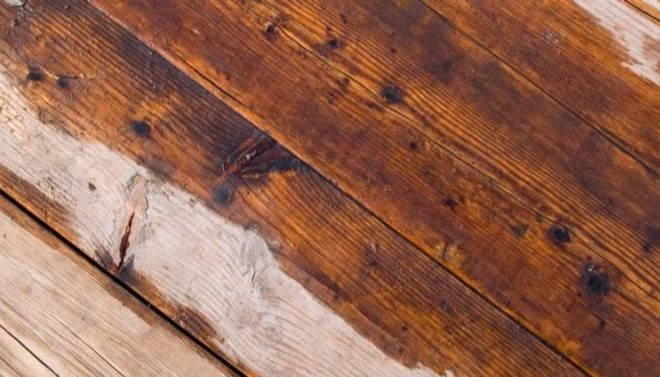
When water reaches a hardwood floor, the wood fibers begin to swell. This expansion causes visible changes such as:
- Cupping (edges rising higher than the center)
- Crowning (center higher than edges)
- Buckling (boards lifting from the subfloor)
- Gaps forming after drying
If moisture reaches the subfloor or padding beneath, damage becomes more complex and time-sensitive.
Factors That Determine Whether Restoration Is Possible
Not all water damage is the same. Several factors influence whether a floor can be saved.
1. Type of Water Involved
- Clean water from supply lines offers the best chance of restoration
- Gray water (appliances, washing machines) increases risk
- Black water (sewage, flooding) usually requires removal for safety
2. Duration of Exposure
The longer water sits, the deeper it penetrates. Floors soaked for days are far harder to restore than those addressed within hours.
3. Floor Construction
- Solid hardwood responds differently than engineered wood
- Thicker planks often tolerate drying better
- Floating installations may trap moisture underneath
4. Subfloor Condition
Even if the surface looks fine, moisture trapped below can lead to long-term issues like mold or structural damage.
Common Causes of Water Damage to Hardwood Floors
In Coral Gables and South Florida, hardwood floor water damage commonly comes from:
- Burst or leaking pipes
- Appliance failures
- Roof leaks
- Storm-related water intrusion
- HVAC condensation problems
- Humidity buildup
High humidity alone can slowly damage wood if not controlled properly.
Professional Drying vs DIY: Why Experience Matters
Homeowners often try fans or dehumidifiers, but improper drying can permanently damage a hardwood floor.
Professional restoration includes:
- Moisture mapping to locate hidden water
- Controlled drying to prevent cracking
- Specialized floor drying mats
- Industrial dehumidification
- Continuous moisture monitoring
Drying too fast or unevenly can be just as damaging as not drying at all.
The Professional Hardwood Floor Drying Process
When restoration is possible, professionals follow a precise process:
- Stop the water source immediately
- Extract standing water
- Remove surface moisture from the floor
- Dry the floor and subfloor simultaneously
- Monitor moisture levels daily
- Allow natural re-acclimation before repairs
This controlled approach significantly increases the chance of saving the floor.
Signs Your Hardwood Floor Can Still Be Saved
A hardwood floor has a good chance of recovery if:
- Boards remain securely attached
- Cupping is minor
- No musty odors are present
- Moisture readings improve over time
Early professional assessment is critical.
When Replacement Is the Safer Option
Unfortunately, not all floors can be saved. Replacement may be necessary if:
- The floor was exposed to contaminated water
- Severe buckling has occurred
- Mold growth is present
- Subfloor damage is extensive
In these cases, removal protects indoor air quality and structural safety.
Why Timing Is Everything
For a hardwood floor, time is the most important factor. Waiting even 24 hours can change the outcome entirely. Water damage worsens quickly, especially in humid climates like Coral Gables.
Immediate professional response often means the difference between restoration and replacement.
FAQs
Can warped hardwood floors be fixed?
Yes, mild warping can often be corrected through professional drying and re-acclimation.
How long does it take to dry the floors?
Drying typically takes several days, depending on moisture levels and environmental conditions.
Will insurance cover the water damage?
Coverage depends on the cause of the damage and your policy. Sudden water events are often covered.
Is sanding required after drying?
Sometimes. Light sanding may be needed once the floor has fully dried and stabilized.
Can mold grow under hardwood floors?
Yes. Trapped moisture beneath flooring can lead to mold if not properly dried.
Final Summary:
A hardwood floor can often be saved after water damage but only with fast, professional intervention. The sooner moisture is removed and controlled drying begins, the better the outcome. Ignoring water damage or relying on DIY solutions increases the risk of permanent damage and costly replacement.
Trust PuroClean of Coral Gables for Water Damage
When water threatens your hardwood floors, experience matters. PuroClean of Coral Gables specializes in professional water damage restoration, including advanced hardwood floor drying techniques designed to save your floors whenever possible.
Our team responds quickly, uses industry-leading equipment, and works with insurance providers to make the process easier for you.
If your hardwood floors have been affected by water, don’t wait. Call PuroClean of Coral Gables today and protect your home, your health, and your investment.