 PuroClean of Coral Gables
 Table of Contents
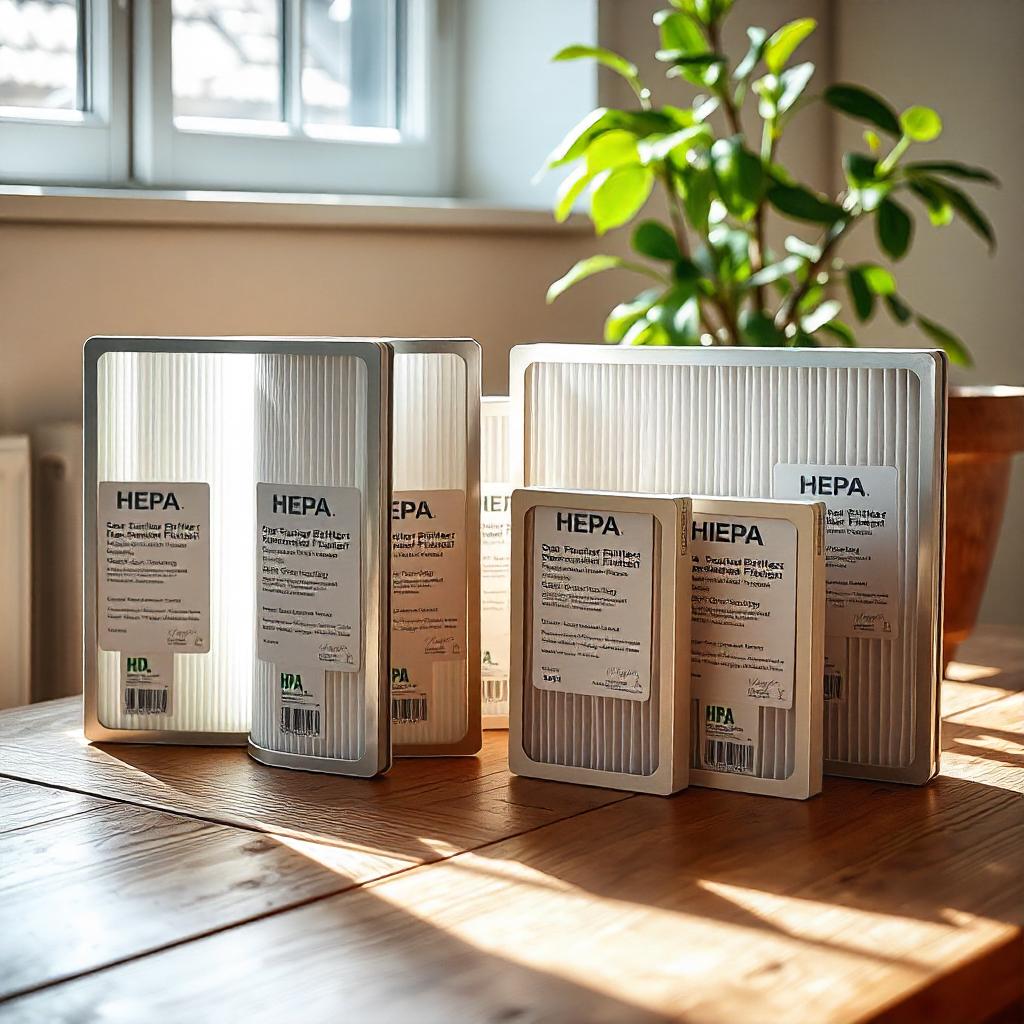
When it comes to maintaining a safe, healthy indoor environment, few tools are as effective as HEPA filters. Short for “High-Efficiency Particulate Air,” HEPA filters are specially designed to capture even the tiniest airborne particles. This technology is crucial in various environments, especially during mold remediation. In this blog, we’ll explore what HEPA filters are, how they work, and why they play a vital role in improving indoor air quality and removing harmful contaminants during mold cleanup.
Understanding HEPA Filters
HEPA filters were initially developed during World War II to capture radioactive particles, but today, they’re widely used in both industrial and residential settings for filtration. To qualify as HEPA, a filter must capture 99.97% of particles as small as 0.3 microns in diameter. This capability makes them uniquely effective at trapping a range of airborne pollutants, including mold spores, dust, pollen, and other microscopic particles that may compromise air quality.
How HEPA Filters Work
These filters trap particles through several layers of densely packed fibers, usually made of fiberglass. Unlike standard filters, they’re structured to capture particles in multiple ways:
1. Interception: Particles passing near the fibers stick to them.
2. Impaction: Larger particles hit the fibers directly and get trapped.
3. Diffusion: Smaller particles are captured as they collide with other particles in the filter.
This multi-layered approach ensures they can trap a diverse range of particles, including those as small as mold spores, effectively reducing airborne contaminants.
Why HEPA Filters Are Essential in Mold Remediation
Mold spores are microscopic, lightweight, and easily spread through the air. During mold remediation, disturbing mold-infested materials can release a large number of spores into the air, increasing the risk of exposure and contamination to other areas of the property. This is where the filters become indispensable. By trapping these spores, they prevent them from circulating in the air, helping create a cleaner, safer environment during and after the cleanup process.
Benefits of HEPA Filters in Mold Remediation
1. Airborne Contaminant Removal: These filters are highly effective in capturing airborne mold spores, reducing the chance of cross-contamination to unaffected areas.
2. Improved Indoor Air Quality: By filtering out spores, dust, and allergens, HEPA filtration significantly improves air quality, making the environment healthier for occupants, especially those with respiratory conditions or sensitivities.
3. Enhanced Safety for Technicians and Occupants: They provide an additional safety layer for those conducting the remediation, as they prevent inhalation of mold spores and other harmful particles.
4. Effective Use with Air Scrubbers and Vacuums: The filters are often used in conjunction with HEPA-rated air scrubbers and vacuums, creating a comprehensive cleanup process that addresses both surface and airborne contaminants.

Using HEPA Air Scrubbers in Mold Remediation
Air scrubbers equipped with these filters are used to continually clean the air during mold remediation. These devices draw in contaminated air, push it through the filter, and release purified air back into the environment. This process minimizes airborne mold spores and helps ensure that the air remains as clean as possible throughout the remediation. Air scrubbers are essential in enclosed spaces, where disturbed mold spores could otherwise linger in the air.
The Role of HEPA Vacuums in Mold Cleanup
HEPA vacuums are also an essential tool in mold remediation. After mold-infested surfaces are scrubbed and treated, spores can remain on surfaces or settle onto other areas. HEPA vacuums are specially designed to capture these spores, preventing them from being released back into the air. This final step helps ensure that all residual spores are effectively removed, making the cleaned area safer for future use.
HEPA Filters vs. Regular Filters
While regular air filters can capture some dust and debris, they’re not nearly as effective as HEPA filters when it comes to capturing mold spores and other microscopic particles. Regular filters typically catch larger particles but allow small, potentially harmful particles to pass through. HEPA filters, however, use finer fibers and a denser design, making them far more effective at removing harmful contaminants from the air.
Limitations of HEPA Filters in Mold Remediation
While these filters are highly effective, it’s essential to understand their limitations:
- Not a Substitute for Professional Remediation: These filters alone can’t eliminate mold sources; they only trap airborne particles. Physical removal of mold-infested materials is still required.
- Require Proper Maintenance: They need regular maintenance and replacement to function effectively. Failing to replace or clean HEPA filters can reduce their effectiveness over time.
- Only Effective in Specific Areas: While they improve air quality in localized spaces, these filters can’t treat the entire building unless multiple units are used.
When to Use HEPA Filters for Mold Remediation
HEPA filters are particularly useful in situations where mold growth has been extensive, and significant amounts of mold spores may be airborne. During mold remediation, they should be running consistently to capture spores, dust, and any other debris that may be released. For ongoing air quality improvement, they can also be used in air purifiers throughout the home, providing continued protection against allergens and other airborne particles.
Choosing the Right HEPA Filtration System
When selecting a HEPA filtration system for mold remediation, it’s important to choose a product certified as “true HEPA.” Look for air scrubbers and vacuums specifically designed for professional mold remediation, as these are built to handle the demands of removing mold spores and improving air quality effectively.
Final Thoughts on HEPA Filters and Mold Remediation
HEPA filters are a powerful tool in mold remediation, offering a way to improve air quality and reduce the risk of contamination. Their high efficiency in capturing microscopic particles like mold spores makes them essential during cleanup efforts, creating a safer environment for both occupants and technicians. Though HEPA filters alone cannot eliminate mold, they are a valuable part of a comprehensive mold remediation process, ensuring that the air is as clean as possible both during and after cleanup.
In conclusion, incorporating HEPA filters in mold remediation not only protects the environment within a property but also aids in the overall success of the cleanup. Whether used in air scrubbers or vacuums, these filters play a critical role in keeping mold spores and other contaminants at bay, making them a wise investment for any professional mold remediation project.


 PuroClean of Coral Gables