


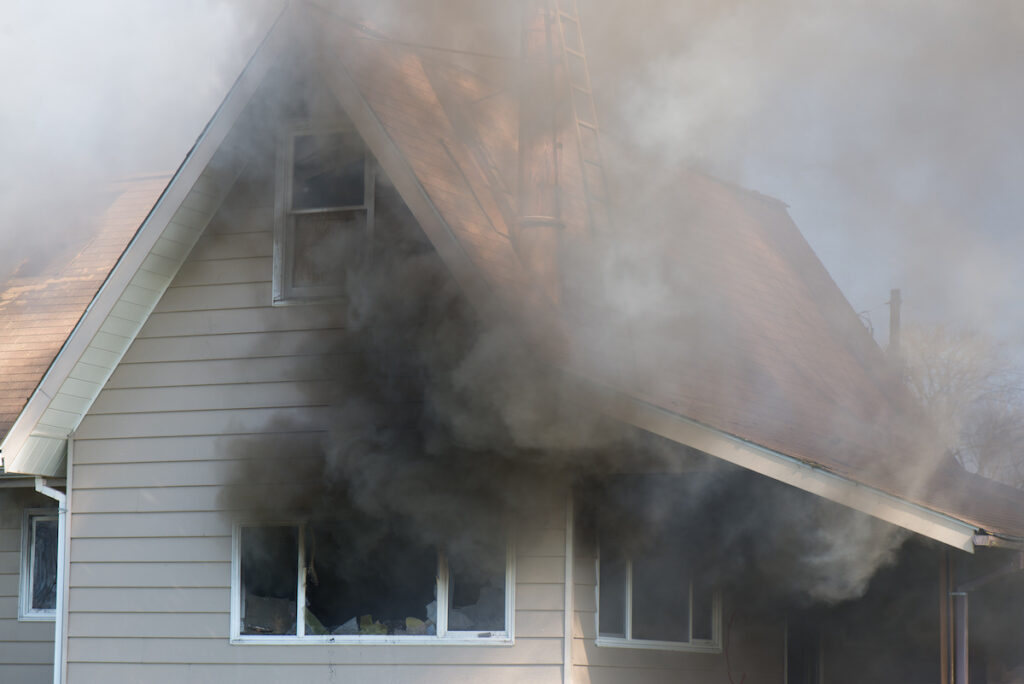
If your property has experienced a fire, even a small one—smoke damage restoration is essential. Smoke particles can embed deep into walls, furniture, and HVAC systems, causing lingering odors and long-term structural harm. In this guide, we walk you through the full step-by-step process of professional smoke damage restoration, from inspection to final repairs, so you know exactly what to expect and why acting fast matters.
Table of Contents
Step 1: Inspection and Assessment
The first step in the smoke damage restoration process is a full assessment of the affected areas. Trained professionals inspect the structure, belongings, ventilation systems, and hidden spaces where smoke particles may have traveled.
Using moisture meters, thermal imaging, and soot detection tools, they document the extent of the damage to create a clear restoration plan and help with insurance documentation. This step ensures nothing gets overlooked and that health hazards are immediately identified.
Step 2: Securing the Property and Removing Debris
Before cleaning begins, your property must be made safe. This includes boarding up broken windows, placing tarps on damaged roofs, and removing any debris or charred materials. Not only does this protect against further damage, but it also keeps your home secure during the restoration process.
Additionally, salvageable contents may be packed out and cleaned off-site, while non-salvageable items are carefully discarded and recorded for insurance claims.
Step 3: Air Filtration and Odor Control
Smoke contains microscopic particles and volatile organic compounds (VOCs) that linger in the air. This is why specialized equipment like HEPA air scrubbers and industrial air movers are deployed to purify the air.
Odor control is critical during this phase. Certified smoke damage restoration technicians may use:
- Thermal fogging: A deodorizing fog that penetrates porous surfaces.
- Ozone treatment: Breaks down odor-causing molecules in the air.
- Hydroxyl generators: A safer alternative to ozone, especially when people or pets are present.
The goal is to neutralize odors—not just mask them—by treating the air and all affected surfaces thoroughly.
Step 4: Soot and Smoke Residue Cleaning
Soot is acidic and can cause permanent staining or corrosion if not cleaned properly. Restoration professionals use a combination of dry and wet cleaning methods depending on the surface and type of residue.
Types of Smoke Residue:
- Dry Smoke: From fast-burning fires; easier to clean.
- Wet Smoke: From smoldering fires; sticky and harder to remove.
- Protein Smoke: From cooking fires; often invisible but leaves strong odors.
- Petroleum Smoke: From oil or fuel sources; thick and greasy.
Professionals use HEPA vacuums, dry chemical sponges, degreasers, and approved cleaning solutions to remove these residues safely.
For more on fire-related cleaning protocols, FEMA offers excellent fire recovery resources.
Step 5: Restoration and Rebuild
The final step is to restore the property to its pre-loss condition. This might include:
- Drywall replacement
- Flooring repairs or installation
- Repainting
- HVAC system cleaning
- Reinstallation of cleaned contents
At this stage, your home becomes livable again. A walk-through is conducted to ensure every issue has been addressed, and the air quality has returned to safe levels.
Why Immediate Smoke Damage Restoration Matters
Waiting too long to address smoke damage can lead to:
- Permanent staining on walls and ceilings
- Lingering odors that get harder to eliminate
- Mold growth in moist areas
- Health issues like respiratory problems, eye irritation, and headaches
According to the U.S. Fire Administration, smoke contains toxic chemicals such as carbon monoxide, formaldehyde, and acrolein which can pose serious health threats. (Source)
That’s why engaging professional smoke damage restoration services promptly is critical, not just for your property, but for your safety.
Frequently Asked Questions (FAQs)
Q1: Can I clean smoke damage myself?
A: Light soot can sometimes be cleaned with dry sponges, but deeper damage requires professional tools and certified processes. DIY methods can make things worse if not done properly.
Q2: How long does smoke damage restoration take?
A: It depends on the severity. Minor smoke damage can be cleaned in a few days, while larger projects with structural repairs may take weeks.
Q3: Will my insurance cover smoke damage restoration?
A: Most homeowners’ policies cover fire and smoke damage. PuroClean of Coral Gables works directly with insurers to simplify your claims process.
Q4: What if I don’t see visible damage, but still smell smoke?
A: Smoke particles can hide in vents, wall cavities, and insulation. Professional assessment is essential to ensure nothing is missed.
Why Choose PuroClean of Coral Gables for Smoke Damage Restoration?
At PuroClean of Coral Gables, we bring more than just certified expertise. We bring compassion, speed, and precision when disaster strikes.
- 24/7 Emergency Service
- Certified Smoke Damage Restoration Experts
- Advanced Odor and Soot Removal Equipment
- We Work With All Insurance Providers
- Serving Coral Gables and Surrounding Areas
Whether it’s minor smoke damage or a complete restoration project, we’re here to restore your peace of mind, fast.
Call PuroClean of Coral Gables today for a consultation. (305) 894-4343
Final Takeaway
Smoke damage restoration is not just about cleaning up—it’s about restoring health, safety, and normalcy. By following a proven, professional process, experts can remove all traces of smoke, protect your belongings, and rebuild what was lost.
If you’re facing smoke damage in Coral Gables, trust the local pros at PuroClean to bring your property—and peace of mind, back to life. (305) 894-4343