 PuroClean of Coral Gables
 Table of Contents
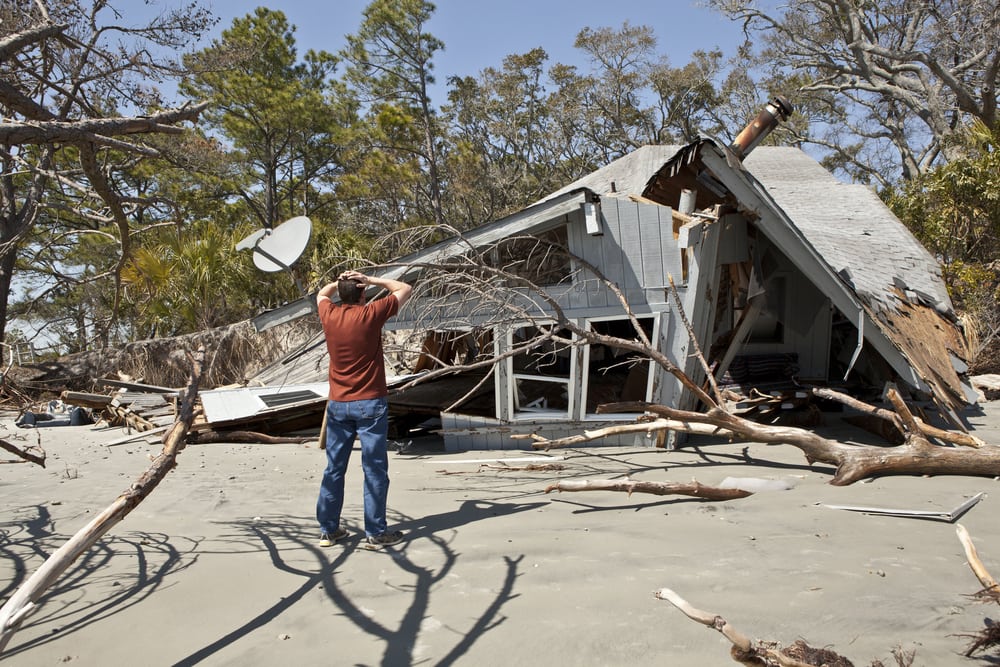
The aftermath of Hurricane Milton can be overwhelming and stressful for those affected. As the storm passes, safety and recovery become the priority. Knowing what to do in the first 24-48 hours after a hurricane can make a huge difference in how quickly you begin to rebuild your life and property. This guide will help you take the right steps to ensure your safety, assess the damage, and start the recovery process.
1. Prioritize Safety First
After Hurricane Milton, safety should always come first. Once authorities declare it safe to leave shelter, follow these important steps to protect yourself and your family:
- Check for injuries: Ensure that everyone is safe and uninjured. If someone is hurt, seek medical attention as soon as possible.
- Avoid hazardous areas: Flooded areas, downed power lines, and weakened structures can be extremely dangerous. Stay clear of any areas that look unstable or pose safety risks.
- Listen to local authorities: Follow instructions from local officials about when it’s safe to return to your property or neighborhood. Even if the storm has passed, there may be ongoing dangers like flooding or electrical hazards.
- Turn off utilities if necessary: If you suspect any gas leaks, water line breaks, or electrical damage, turn off the gas, water, or electricity immediately to avoid further damage or danger. Contact professionals for repairs.
2. Assess the Damage to Your Property
Once it’s safe to return home after Hurricane Milton, the next step is to assess the condition of your property. Take the time to thoroughly inspect your home, both inside and out, to understand the full extent of the damage:
- Document the damage: Take detailed photos and videos of all areas of damage. This documentation will be crucial for insurance claims and repair processes.
- Check for structural damage: Look for signs of cracks in walls, foundation issues, and roof damage. If you notice any signs of structural weakness, avoid entering your home until a professional can inspect it.
- Inspect for water damage: Water can cause long-term damage to your home, leading to mold and rot. Check for signs of flooding or leaks in your basement, ceilings, walls, and floors.
- Check for mold growth: Mold can develop quickly in the warm, humid aftermath of a hurricane like Hurricane Milton. If you find any signs of mold, it’s important to address it immediately with professional remediation services.
3. Contact Your Insurance Company
After assessing the damage from Hurricane Milton, the next step is to start the insurance claims process. Follow these steps to ensure a smoother experience with your insurance provider:
- Notify your insurance company immediately: Contact your insurance company to let them know about the damage to your property. Many companies have specific timeframes for filing claims after a disaster, so acting quickly is essential.
- Provide detailed documentation: Submit all photos, videos, and a written list of damaged items to your insurance company. Be as detailed as possible to ensure your claim is processed efficiently.
- Understand your coverage: Review your homeowner’s insurance policy to understand what’s covered. Flood damage, for instance, may not be covered under standard policies, so you may need to file separate claims with flood insurance providers or federal disaster relief programs.
- Schedule an adjuster’s visit: Your insurance company will likely send an adjuster to assess the damage. Be prepared to walk them through your property and show them the documentation of damage.
4. Begin the Cleanup Process Safely
Once your property has been inspected and documented, you can begin the cleanup process. However, it’s important to take certain precautions after Hurricane Milton to protect yourself and your home:
- Wear protective gear: Always wear gloves, masks, and sturdy boots to protect yourself from sharp debris, contaminants, or mold.
- Remove standing water: If your home has been flooded, removing standing water as quickly as possible is essential to prevent further water damage and mold growth.
- Ventilate your home: Open windows and doors to allow airflow and begin drying out your home. This will also help reduce the growth of mold and mildew.
- Dispose of damaged materials: Remove waterlogged items such as carpets, drywall, and furniture that cannot be salvaged. If mold is present, dispose of materials according to local regulations for hazardous waste.
5. Hire Professional Help When Needed
In the wake of Hurricane Milton, some tasks may be too overwhelming or dangerous to handle on your own. It’s essential to know when to call in the professionals:
- Water and mold remediation experts: If water damage is extensive or mold is already present, hire a professional restoration company to prevent long-term health risks and structural damage.
- Contractors for structural repairs: For any major structural damage, contact a licensed contractor to ensure safe and secure repairs to your home.
- Tree removal and debris cleanup: If fallen trees or large debris are a concern, hire professionals with the proper equipment to remove them safely.
6. Stay Informed and Seek Assistance
Recovering from Hurricane Milton is a long process, but there are resources available to help you along the way:
- Stay updated on community efforts: Local authorities and disaster recovery organizations often provide important information and resources to help those affected by the hurricane. Follow local news outlets, social media, and official government websites for the latest updates.
- Seek financial assistance: Depending on the extent of the damage, you may qualify for disaster relief funds or grants through federal programs like FEMA or local organizations.
- Support from neighbors and community groups: Reach out to neighbors, friends, and community groups who are going through the same experience. Working together can ease the burden of recovery and provide emotional support.
Checklist: What to Do Immediately After Hurricane Milton
- Ensure the safety of your family and avoid hazardous areas
- Document all property damage with photos and videos
- Contact your insurance company to file a claim
- Begin safe cleanup and remove standing water
- Hire professionals for mold remediation, water damage, and structural repairs
- Stay informed on local recovery efforts and seek available resources
Conclusion
Recovering from Hurricane Milton will take time, but following these steps can help you regain control and move forward with the restoration process. Safety, documentation, and professional help are key to rebuilding after such a disaster. Remember, you are not alone—support from your community and available resources can help you through this challenging time.
If you need professional assistance with property restoration, mold remediation, or flood cleanup, don’t hesitate to reach out to us on +1 305 894-4343, we can help you recover quickly and safely after Hurricane Milton. Together, we will rebuild and emerge stronger.

 PuroClean of Coral Gables