 PuroClean of Coral Gables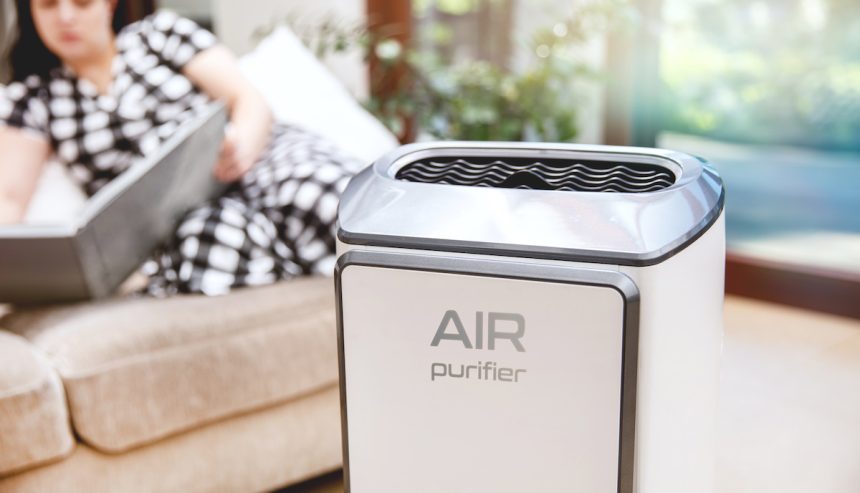
Table of Contents
After mold remediation, many homeowners assume the work is done but ensuring ongoing indoor air quality requires deliberate follow-through. In this post, we’ll explore seven powerful steps you can take after mold removal to restore and maintain clean, healthy air in your home: ventilation, air filtration, humidity control, proactive cleaning, HVAC maintenance, routine monitoring, and preventive habits. Whether you finished remediation yesterday or a month ago, these tips will help you breathe easier and protect your home long-term.
Why Indoor Air Quality Matters After Mold Remediation
When mold is professionally removed, the visible mold and contaminated materials may be gone but that doesn’t automatically mean the air is safe or stays safe. Spores, moisture, and hidden pockets of dampness can linger. Good indoor air quality helps ensure that airborne mold spores, musty odors, and harmful particulates don’t return. In humid climates especially like South Florida, maintaining air quality is essential for health, comfort, and the longevity of your home.
1. Ventilate Thoroughly: Open Windows & Circulate Air
The first and simplest step after mold remediation is to ventilate the space. Open windows and doors (weather permitting) to let fresh outdoor air flow through the home. If you have ceiling fans or portable fans, use them to encourage cross-ventilation.
Proper ventilation helps flush out lingering mold spores, stale air, and musty odors, replacing them with fresh air from outside. This is a foundational step to improve indoor air quality and should be done several times a day, especially right after remediation or cleaning.
2. Use High-Quality Air Filtration & Purification
Once you’ve ventilated, the next step is to clean the air. Consider using a portable air purifier with a HEPA filter (or higher) to trap residual mold spores, dust, and other particulates. If your HVAC (heating/ventilation/air conditioning) system supports high-efficiency filters, install a quality air filter and replace it regularly.
Air purifiers and filters are especially useful if you live in a humid region or in a home prone to dust or pollen. Over time, they can significantly boost indoor air quality by reducing airborne contaminants.
3. Control Indoor Humidity & Moisture Levels
Humidity is a key driver of mold growth. Even after remediation, if moisture problems remain (e.g., leaks, condensation, poor drainage), mold can return.
- Use dehumidifiers in damp areas (basements, bathrooms, closets) to keep humidity at healthy levels (ideally between 30–50%).
- Fix any leaks — plumbing, roofing, windows to prevent future dampness.
- Ensure proper ventilation in high-moisture rooms (bathrooms, laundry rooms, kitchens).
By keeping humidity under control, you dramatically reduce the risk of mold regrowth — helping sustain good indoor air quality.

4. Clean & Disinfect Surfaces Post-Remediation
After mold remediation, small particles or spores may still cling to surfaces. It’s wise to deep-clean and disinfect: wipe down walls, baseboards, window sills, floors, and any surfaces where dust or mold residue might settle.
Use mold-safe cleaning products or solutions recommended by professionals. Vacuum with a HEPA-equipped vacuum cleaner (not a regular vacuum). Wash or replace fabrics, curtains, rugs, or upholstery that may have absorbed mold spores or odors.
Regular cleaning helps remove residual spores and prevents them from reentering the air — another important component of indoor air quality maintenance.
5. Maintain Your HVAC System & Use Clean Filters
The HVAC system plays a major role in circulating air within your home. After mold remediation:
- Change HVAC air filters and then keep them on a regular replacement schedule.
- Consider scheduling a professional HVAC inspection or cleaning, especially if ductwork may have been exposed to mold or moisture.
- If you have ventilation ducts or crawl spaces, ensure they remain dry and clean.
By keeping your HVAC system in top shape, you ensure that it doesn’t become a source of contaminants, supporting healthy indoor air quality.
6. Monitor Indoor Air — Smell, Humidity & Air Quality Testing
After remediation and cleaning, don’t just assume everything is fine. Monitor your indoor air quality over time:
- Pay attention to musty smells or damp odors, they may indicate residual moisture or mold regrowth.
- Use a hygrometer to track indoor humidity levels.
- If possible, hire a professional to conduct air quality testing especially if you or family members have allergies or respiratory sensitivities.
Early detection of problems can save you from bigger issues down the road and helps preserve clean indoor air quality.
7. Adopt Preventive Habits & Ongoing Maintenance
Maintaining clean air is not a one-time task. Make preventive habits a part of your routine:
- Keep clutter minimal and store items off damp surfaces.
- Use exhaust fans in bathrooms and kitchens.
- Avoid carpet or rugs in damp-prone areas (or clean them regularly).
- Promptly address any water leaks or spills.
- Schedule periodic inspections if your home is older or prone to moisture issues.
Sustained healthy practices will go a long way toward preserving indoor air quality and avoiding future mold issues.
FAQ — Frequently Asked Questions
Q: How soon after mold remediation can I expect the air to feel “clean”?
A: In many cases, you should notice a difference within a few hours — especially if you ventilate properly and run an air purifier. Full stabilization of indoor air (i.e. minimal spores, moisture under control, air circulating) may take a few days to a week depending on humidity and ventilation.
Q: Does opening windows really improve air quality after mold cleanup?
A: Yes. Fresh outdoor air helps flush out any lingering mold spores, musty odors, and stale air — replacing it with cleaner air. It’s one of the easiest and most effective first steps.
Q: Should I use a HEPA air purifier or rely on my HVAC filter?
A: Ideally both. A high-quality HEPA purifier can catch fine particles and spores that a standard HVAC filter might miss. Using both systems gives the best protection for long-term indoor air quality.
Q: How often should I change HVAC filters after remediation?
A: It’s wise to replace the filter right after remediation. After that, follow manufacturer guidelines — typically every 1–3 months depending on usage, household size, and air quality.
Q: Is air quality testing necessary if there’s no visible mold or odor?
A: If no symptoms — no smell, no dampness, no health issues — then regular monitoring may suffice. But if anyone in the home has allergies, asthma, or respiratory issues, a professional air-quality test adds peace of mind.
Final Thoughts
Improving and safeguarding indoor air quality after mold remediation takes more than removal, it requires proper ventilation, filtration, humidity control, regular cleaning, HVAC upkeep, monitoring, and preventive habits. By following the seven steps above, you can protect your home from mold recurrence and enjoy healthier, fresher air long-term.
If you need professional help to ensure your home’s air is truly safe and clean, consider reaching out to us at PuroClean of Coral Gables. Our certified remediation and restoration experts don’t just remove mold, we help restore and maintain a clean, healthy indoor environment for you and your family.


 PuroClean of Coral Gables