

Table of Contents
Your Heating, Ventilation, and Air Conditioning (HVAC) system can cause extensive water damage if it’s not maintained correctly. Common causes of HVAC water damage include a clogged drain, frozen evaporator coils, and pipes that are not connected correctly.
So, it’s essential to care for your HVAC system at least once a year. That helps to prolong the life of your unit and prevent additional heating or cooling expenses. The good news is that HVAC maintenance tasks are pretty easy to do and do not involve hiring a professional most of the time.
How to prevent HVAC water damage
Change the HVAC filter regularly.
- Changing the filter helps prevent the unit from overworking, which can cause freezing and then defrosting on the evaporator coils, leading to HVAC water damage.
- Change the filter at least once a month with high-efficiency particulate air (HEPA) filters. It would be best if you changed some air filters twice a year, others once a month, depending on their type and how often you use the HVAC system.
- Check the instructions manual first to know what type of filter you need.
- If the filters are inside the furnace or air handler, hire a contractor to change the filters.
Clean the condenser
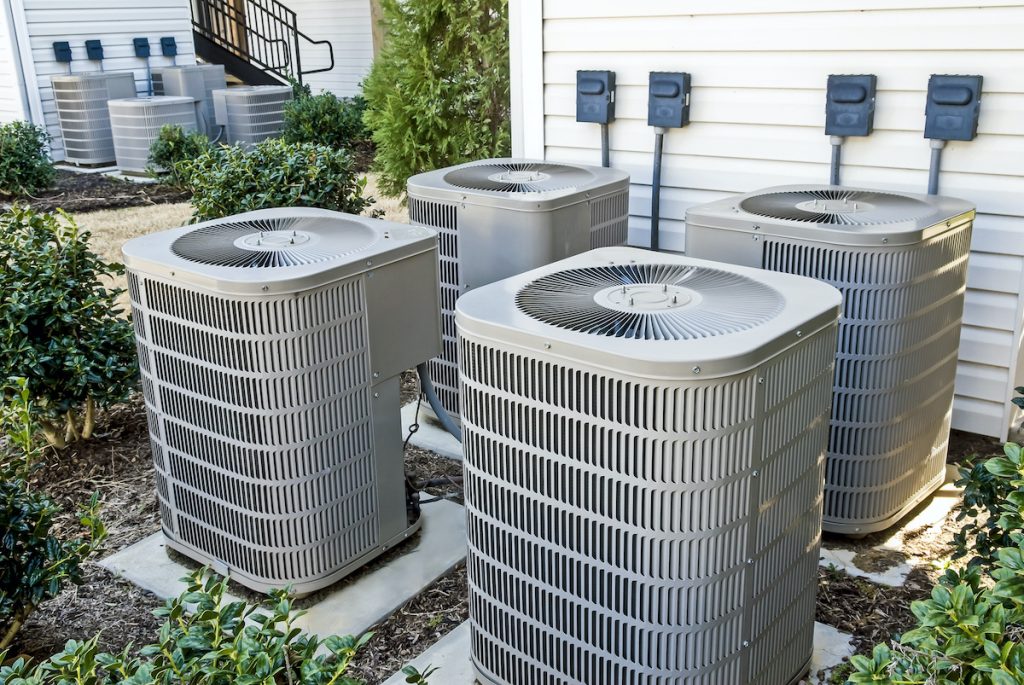
- The condenser is the exterior portion of your air conditioner or heat pump. It requires proper airflow to work efficiently.
- You should remove any dirt or other debris accumulating on the condenser once a year (preferably at the beginning of spring).
- Also, make sure to keep plants away from the condenser and remove any cover from it to ensure proper airflow.
- Leave at least two feet of space between the unit and the bushes or shrubs in your yard.
Maintain the condensation drain line
- When your AC unit runs, check the condensation line opening to make sure you see water flowing to the drain. The amount of water that flows depends on the humidity level in the house.
- Clean the AC drainage holes. Locate the drainage hole on the base of the cabinet (beneath the evaporator fins). Use a paper clip or wire to poke through the hole and clear it, thus ensuring the AC drainage is kept clear.
- Once or twice a year, flush out your drain line with an algaecide to prevent mold or algae from forming. Use a commercial solution or regular bleach.
- Make sure to properly connect and install the main drain line and emergency drain line.
- Check that the pipe is oriented correctly, as the weather might have knocked it out of alignment.
How to unclog the drain line
- Sometimes, the drain line gets clogged with algae, dirt, mineral deposits, and even mold or mildew, causing water to overflow into your home.
- Attach a wet/dry vacuum to the drain line (removing the paper filter first) and suck the clog out.
- Consider installing an overflow shut-off device on the drain line to automatically turn off the A/C unit if the drain line backs up.
Install a condensation pump
- Another tip on how to avoid HVAC water damage is to install a condensation pump.
- That helps excess water flow into the proper disposal drain.
- Additionally, install a safety float switch to automatically shut down the power to the AC unit whenever condensation builds up, and there is a risk of water overflow.
Maintain the overflow drain pan
- The drain pan collects any water that has overflowed due to a clogged drain line.
- Over time, drain pans made of metal or plastic may get damaged, resulting in leaks and water damage.
- If you notice leaks near the drain pan, carefully inspect it for damage using a flashlight.
- Consider patching up small holes or cracks using epoxy glue or replacing the pan entirely.
- Regularly clean the drain pan. Rinse the pan and clean it with a bleach-water mixture to clear out any dirt or mold growth.
Have your HVAC system inspected professionally
- HVAC inspection and maintenance can be difficult for homeowners, so hiring a professional is a good idea.
- Besides the tasks already mentioned, they can examine and fix problems related to HVAC components.
- Those include the ductwork, furnace flames, grills and registers, AC compressors, the thermostat, and more.
Frequently Asked Questions About HVAC Water Damage
What causes HVAC water damage in homes and businesses?
HVAC water damage is often caused by clogged condensate drain lines, frozen evaporator coils, or overflowing drip pans. Poor maintenance or incorrect installation can also lead to water leaks that damage ceilings, floors, and insulation.
How can I tell if my system is causing HVAC water damage?
Signs of HVAC water damage include damp spots near vents, ceilings, or walls, unusual humidity indoors, and musty odors around the unit. You might also notice water pooling under the air handler or mold growth near air ducts.
Can HVAC water damage lead to mold growth?
Yes, HVAC water damage creates the perfect environment for mold to thrive. Moisture inside ducts or near insulation allows mold spores to multiply quickly, spreading through the ventilation system and affecting indoor air quality.
How can I prevent HVAC water damage in my home?
Regular maintenance is key to preventing HVAC water damage. Clean or replace air filters, check the condensate drain for clogs, inspect drip pans, and schedule annual professional tune-ups to detect leaks before they cause major issues.
What should I do if I suspect HVAC water damage?
If you suspect HVAC water damage, turn off your system immediately and inspect for visible leaks. Use towels or a wet/dry vacuum to remove standing water and contact a certified technician or water damage restoration specialist for an inspection.
Is HVAC water damage covered by homeowners insurance?
In many cases, sudden and accidental HVAC water damage may be covered by homeowners insurance. However, damage resulting from poor maintenance or neglect is typically excluded. Always check your policy for specific coverage details.
When should I call a professional for HVAC water damage?
You should call a professional if you see extensive water pooling, notice mold growth, or experience recurring leaks. A trained expert can locate the source, repair the issue, and restore any affected areas to prevent long-term damage.
Is your HVAC unit causing water damage? PuroClean can help!
Knowing how to prevent AC from leaking is sometimes not enough to prevent your unit from causing water damage. When leaks occur, the moisture promotes mold growth that can contaminate the air in your home. Check out how to prevent mold in HVAC systems. For HVAC water damage restoration and mold removal, contact PuroClean today.