


Table of Contents

Many people experience sneezing, congestion, and a runny nose at some point, but how do you know if it’s a common cold or mold allergies? While the symptoms may seem similar, they have different causes, treatments, and durations. Understanding the distinction can help you take the right steps to protect your health—especially if mold is lurking in your home.
In this guide, we’ll break down the key differences between mold allergies and the common cold, the symptoms of each, and when it’s time to consider professional mold remediation.
What Are Mold Allergies?
Mold allergies occur when your immune system reacts to mold spores in the air. Mold is a type of fungus that grows in damp, humid environments, such as bathrooms, basements, and areas affected by water damage. When mold spores become airborne and are inhaled, they can trigger allergic reactions in sensitive individuals.
Common Symptoms of Mold Allergies:
- Sneezing
- Runny or stuffy nose
- Itchy, watery eyes
- Coughing or wheezing
- Throat irritation
- Sinus pressure or headaches
- Fatigue
What Triggers Mold Allergies?
- Indoor mold growth (in walls, carpets, or HVAC systems)
- Outdoor mold exposure (especially during damp seasons)
- High humidity levels (above 60%)
- Poor ventilation
Unlike colds, mold allergies can persist for weeks or months as long as exposure to mold continues. If your symptoms worsen indoors and improve when you leave home, mold could be the culprit.
What Is a Common Cold?
A common cold is a viral infection caused by different viruses, such as rhinoviruses. It spreads through respiratory droplets when an infected person coughs or sneezes. Colds are contagious, whereas mold allergies are not.
Common Symptoms of a Cold:
- Runny or congested nose
- Sneezing
- Coughing
- Sore throat
- Mild fever (sometimes)
- Body aches or chills
- Fatigue
How Long Do Colds Last?
Most colds last 7 to 10 days and gradually improve as your immune system fights off the virus. Over-the-counter medications, rest, and fluids can help relieve symptoms.
Key Differences Between Mold Allergies and the Common Cold
| Feature | Mold Allergies | Common Cold |
|---|---|---|
| Cause | Exposure to mold spores | Viral infection |
| Duration | Symptoms persist as long as exposure continues | Usually 7-10 days |
| Fever | Rare | Sometimes |
| Body Aches | No | Occasionally |
| Itchy Eyes | Common | Rare |
| Worsens Indoors? | Yes, especially in damp areas | No, typically the same indoors and outdoors |
| Seasonal? | Can occur year-round | More common in fall and winter |
| Contagious? | No | Yes |
How to Treat Mold Allergies
If you suspect mold allergies, the best solution is to reduce exposure to mold. Here’s what you can do:
1. Identify and Remove Mold
- Check damp areas like bathrooms, basements, and under sinks for visible mold.
- Look for musty odors, a common sign of hidden mold.
- Hire a mold inspection if you suspect mold but can’t see it.
2. Improve Indoor Air Quality
- Use a HEPA air purifier to filter out mold spores.
- Keep indoor humidity levels below 50% using a dehumidifier.
- Ventilate bathrooms and kitchens to reduce moisture buildup.
3. Get Professional Mold Remediation
If mold is present in your home, removing it properly is crucial. DIY methods (like bleach) often fail to eliminate the problem completely, and mold can return quickly.
At PuroClean of Coral Gables, we offer professional mold remediation to:
1. Identify and remove mold safely
2. Use advanced drying techniques to prevent regrowth
3. Improve indoor air quality and reduce allergens
4. Help with insurance claims if mold damage is covered
When to See a Doctor
If you’re experiencing severe allergy symptoms or breathing difficulties, consult a doctor. You may need:
- Antihistamines or nasal sprays
- Allergy shots (immunotherapy)
- Prescription medications for respiratory issues
If symptoms persist despite treatment, it may be time to inspect your home for mold.
Get Expert Mold Removal with PuroClean of Coral Gables
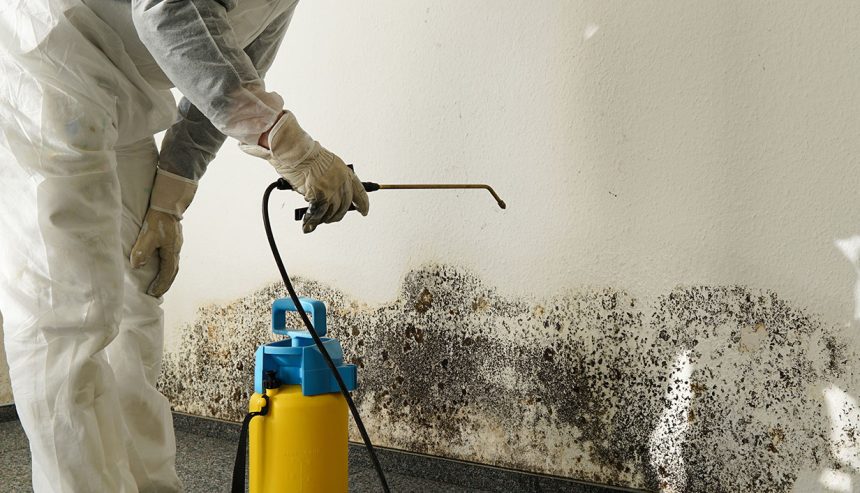
Mold allergies can significantly impact your quality of life. If you suspect mold in your home, don’t wait for symptoms to worsen. PuroClean of Coral Gables specializes in mold remediation, removal, and prevention to help you breathe easier.
Call us today (305) 894-4343 for a free mold consultation and let us restore your home to a safe, healthy environment.