 PuroClean of Coral Gables
 Table of Contents
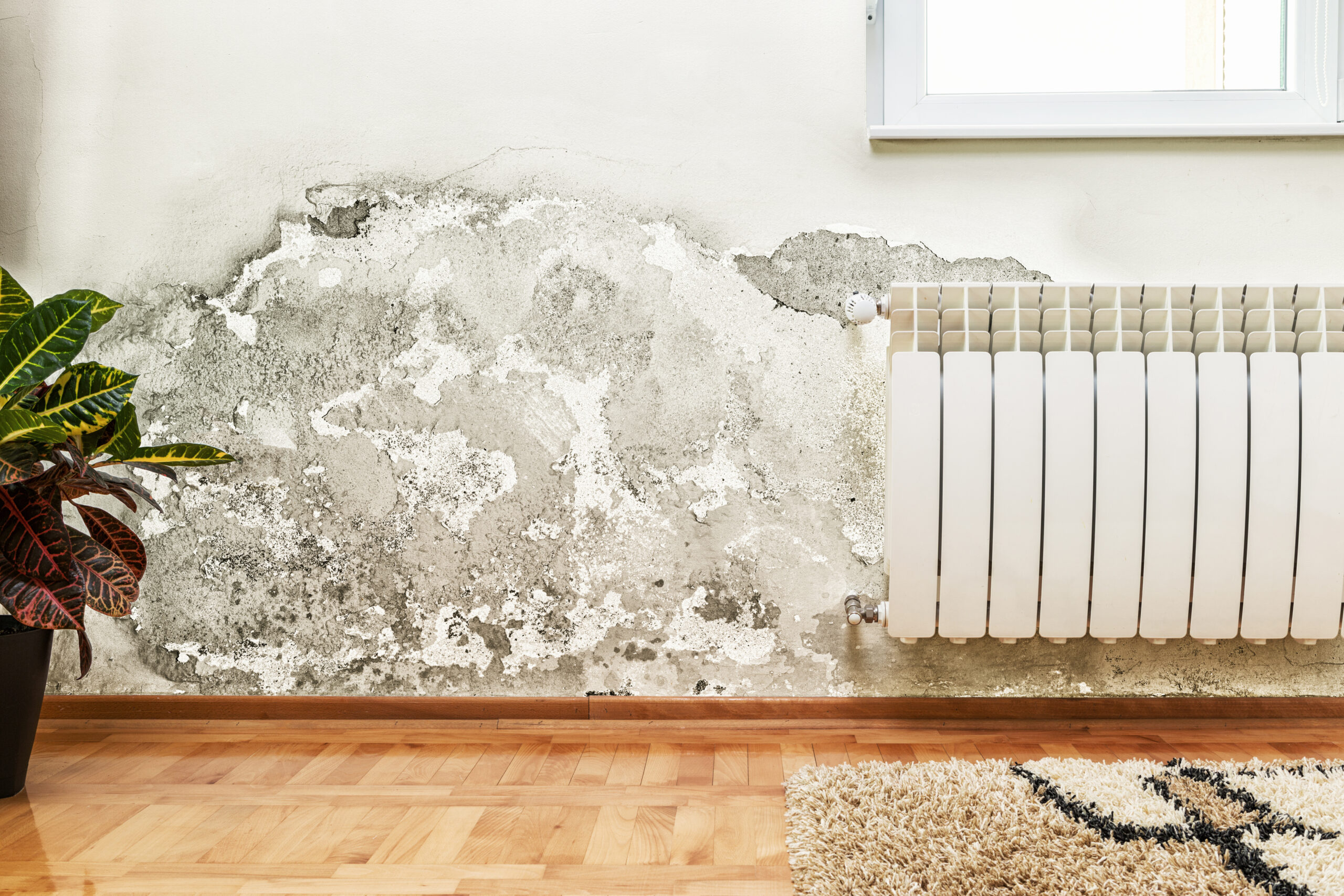
Mold exposure is a common yet often overlooked issue that can have serious consequences, especially for the most vulnerable members of your household: children and pets. Mold thrives in damp and humid environments, and once it begins to grow, it releases spores into the air. These spores can affect indoor air quality and lead to a host of health problems. In this blog post, we’ll explore how mold exposure impacts children and pets and what you can do to protect your loved ones.
What Is Mold Exposure?
Mold exposure occurs when individuals or animals come into contact with mold spores through inhalation, skin contact, or ingestion. While mold is a natural part of the environment, its presence indoors, particularly in poorly ventilated or water-damaged areas, can create significant health risks.
How Mold Exposure Affects Children
Children are especially susceptible to mold exposure due to their developing immune systems and smaller body size. Here are some ways it can impact their health:
1. Respiratory Problems
Mold spores can irritate a child’s airways, leading to symptoms such as:
- Chronic coughing
- Wheezing
- Shortness of breath
- Aggravated asthma symptoms
2. Allergic Reactions
Mold exposure may trigger allergic reactions, including:
- Sneezing
- Runny or stuffy nose
- Itchy or watery eyes
- Skin rashes
3. Developmental Issues
Prolonged mold exposure has been linked to cognitive and developmental issues in children. Some studies suggest that living in mold-infested homes can impair memory, attention, and problem-solving skills.
4. Weakened Immune Response
For children with pre-existing conditions or weakened immune systems, it can lead to recurring infections such as sinusitis or bronchitis.
How Mold Exposure Affects Pets
Pets, much like children, are highly vulnerable to the effects of it. Their smaller respiratory systems and close proximity to floors, where mold spores often settle, make them prime targets for mold-related health issues.
1. Respiratory Distress
Similar to humans, it can cause respiratory symptoms in pets, including:
- Difficulty breathing
- Nasal discharge
- Persistent coughing or sneezing
2. Allergic Reactions
Pets may develop mold allergies, which can manifest as:
- Itchy skin or excessive scratching
- Hair loss due to constant licking or biting
- Inflamed or red skin
3. Digestive Problems
If pets ingest moldy food or lick mold-contaminated surfaces, they may experience:
- Vomiting
- Diarrhea
- Loss of appetite
4. Neurological Issues
In severe cases, can affect a pet’s nervous system, leading to tremors, seizures, or behavioral changes.
Preventing Mold Exposure in Your Home
The best way to protect children and pets from mold exposure is to prevent mold growth in your home. Here are some practical tips:
- Control Humidity Levels
Keep indoor humidity levels below 50% using dehumidifiers, especially in damp areas like basements. - Fix Leaks Immediately
Address leaks in roofs, windows, and plumbing as soon as they occur to prevent water damage and mold growth. - Improve Ventilation
Ensure proper ventilation in high-moisture areas, such as bathrooms and kitchens, to reduce condensation. - Clean Regularly
Use mold-resistant cleaning products in areas prone to moisture, and vacuum carpets with HEPA filters to reduce mold spores. - Inspect and Address Water Damage
Check for signs of water damage or mold regularly and address any issues promptly.
When to Call a Professional for Mold Remediation
If you suspect that mold exposure is affecting your children or pets, it’s crucial to act immediately. Professional mold remediation services can identify the source of the problem and ensure a thorough cleanup, reducing the risk of health issues. Signs you may need professional help include:
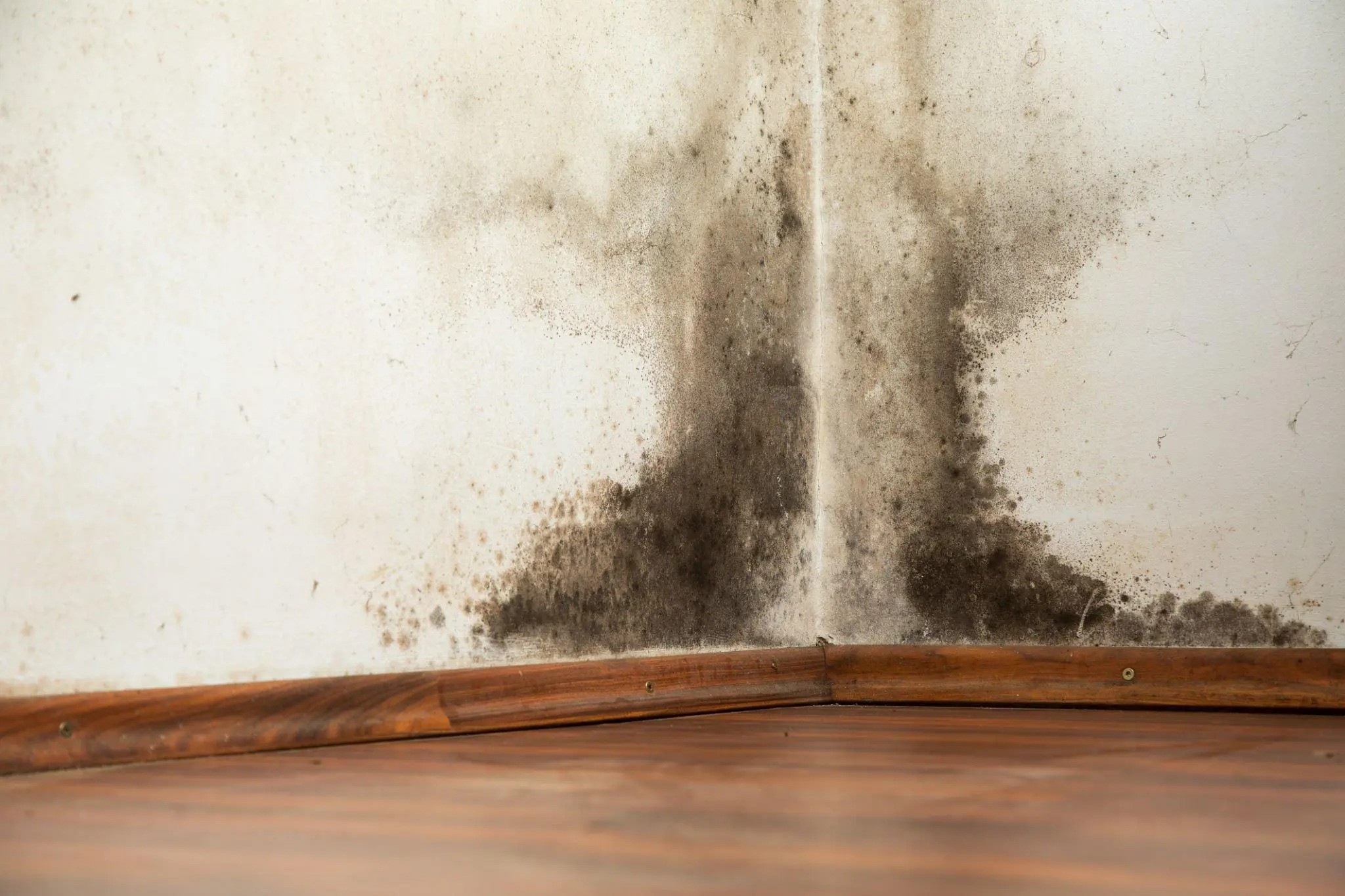
- Visible mold growth
- A persistent musty odor
- Health symptoms that worsen indoors
Conclusion
Mold exposure is a serious concern, especially for children and pets who are more vulnerable to its effects. By understanding the risks and taking proactive steps to prevent mold growth, you can create a healthier living environment for your entire family. If you suspect mold in your home, don’t wait to contact us for professional mold remediation service to address the issue effectively. (305) 894-4343
Protecting your loved ones starts with awareness. Make sure your home is a safe haven, free from the dangers of mold exposure.
Read testimonials from our clients

Prompt and excellent service. Very thankful to Thomas and his team!
Max Lingua
Great service! Very professional and efficient
Ryan Alfrey
Very professional, knowledgeable and punctual. Highly recommended. Thank you!
YES Aviation
I want to recommend Thomas Avila for his outstanding service. He recently addressed water damage in my apartment. I was incredibly impressed by his professionalism, knowledge, and efficiency. He […]
Rolando Gonzalez
I didn’t end up not having the work done but Thomas was very friendly and I appreciate him coming out the same day I called to come look at the damage.
Heather C


 PuroClean of Coral Gables