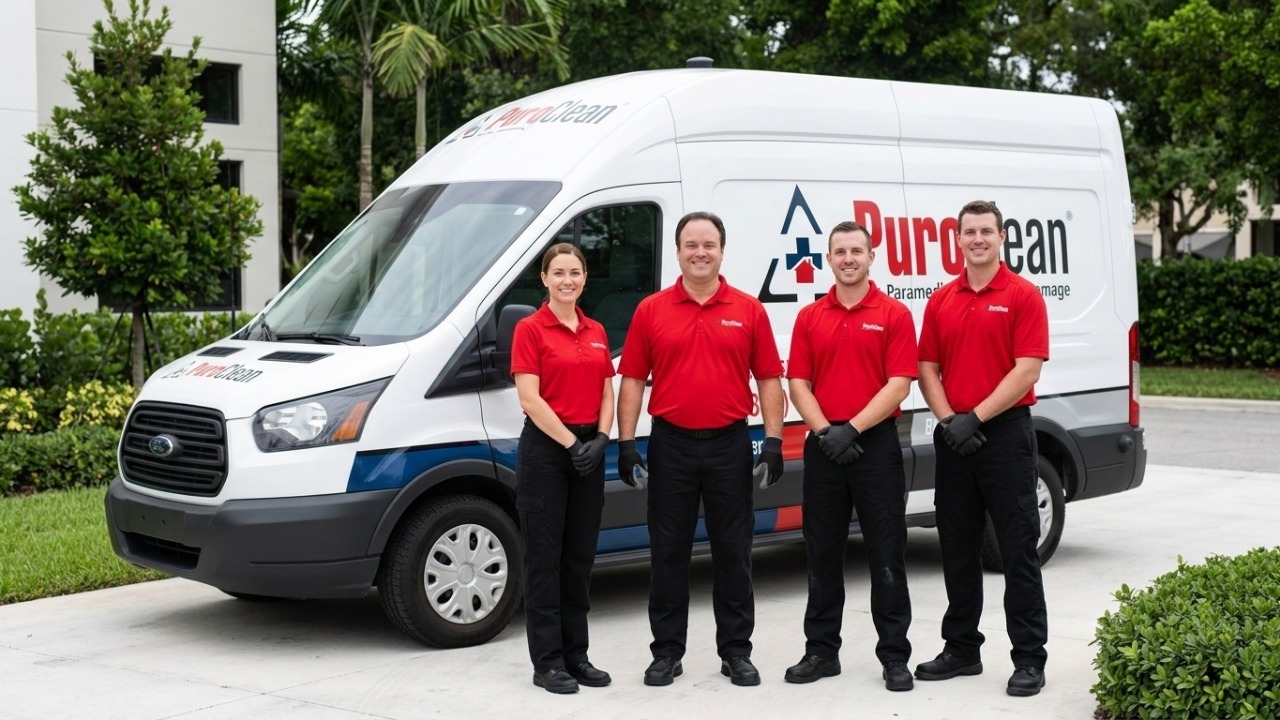


Mold in Coral Gables is often connected to one thing: moisture. Humid indoor conditions, plumbing leaks, roof damage, air conditioning issues, condensation, and water intrusion after heavy rain can all create an environment where mold can grow.
The good news is that homeowners can take practical steps to reduce the risk. Keeping indoor humidity under control, fixing leaks quickly, drying wet materials promptly, and addressing water damage before it spreads can make a significant difference.
If you already notice visible mold, persistent musty odors, or signs of hidden moisture, PuroClean of Coral Gables can help. Professional mold remediation can address affected areas while helping identify the moisture source behind the problem.
Why Is Mold So Common in Coral Gables Homes?
Coral Gables homeowners deal with a warm, humid South Florida environment. While the area’s climate is part of what makes it attractive, it can also make moisture management inside a home more challenging.
Mold spores are naturally present in the environment. They become a problem when they land on damp surfaces and have the moisture they need to grow. The U.S. Environmental Protection Agency emphasizes that moisture control is the key to controlling indoor mold growth.
In a Coral Gables home, moisture can come from several places:
- Leaking roofs or damaged flashing
- Plumbing leaks behind walls or under sinks
- Air conditioning condensation
- Clogged AC drain lines
- Water intrusion after heavy rain
- Flooding or storm-related water damage
- Poor bathroom ventilation
- High indoor humidity
- Damp carpets, drywall, or insulation
- Leaks around windows and doors
A small moisture problem may not look serious at first. But if a wall, ceiling, cabinet, or floor remains damp, mold can develop before you realize there is a problem.
7 Common Causes of Mold Growth in Coral Gables
1. High Indoor Humidity
Humidity is one of the biggest factors homeowners should watch.
Air conditioning helps cool homes, but an AC system also plays an important role in managing indoor moisture. If your system is not operating properly, the home may become more humid than it should be.
The EPA recommends keeping indoor relative humidity below 60%, ideally between 30% and 50%, to help limit mold growth.
A simple humidity meter can help you monitor conditions inside your home.
If you regularly notice condensation on windows, a musty smell, or damp areas around your AC system, investigate the source rather than simply cleaning the visible moisture.
2. Roof Leaks and Rainwater Intrusion
South Florida homes can experience significant rain and storm activity. A damaged roof, deteriorated flashing, blocked drainage, or compromised seal can allow water to enter areas that are difficult to see.
Water may travel through ceilings and walls before becoming visible.
For example, a small roof leak might initially appear as a faint ceiling stain. Behind that surface, however, insulation, drywall, or framing may remain damp.
After heavy rain, check ceilings, exterior walls, closets, and other areas near known roof vulnerabilities for signs of moisture.
3. Plumbing Leaks
A leaking pipe does not always produce a dramatic puddle.
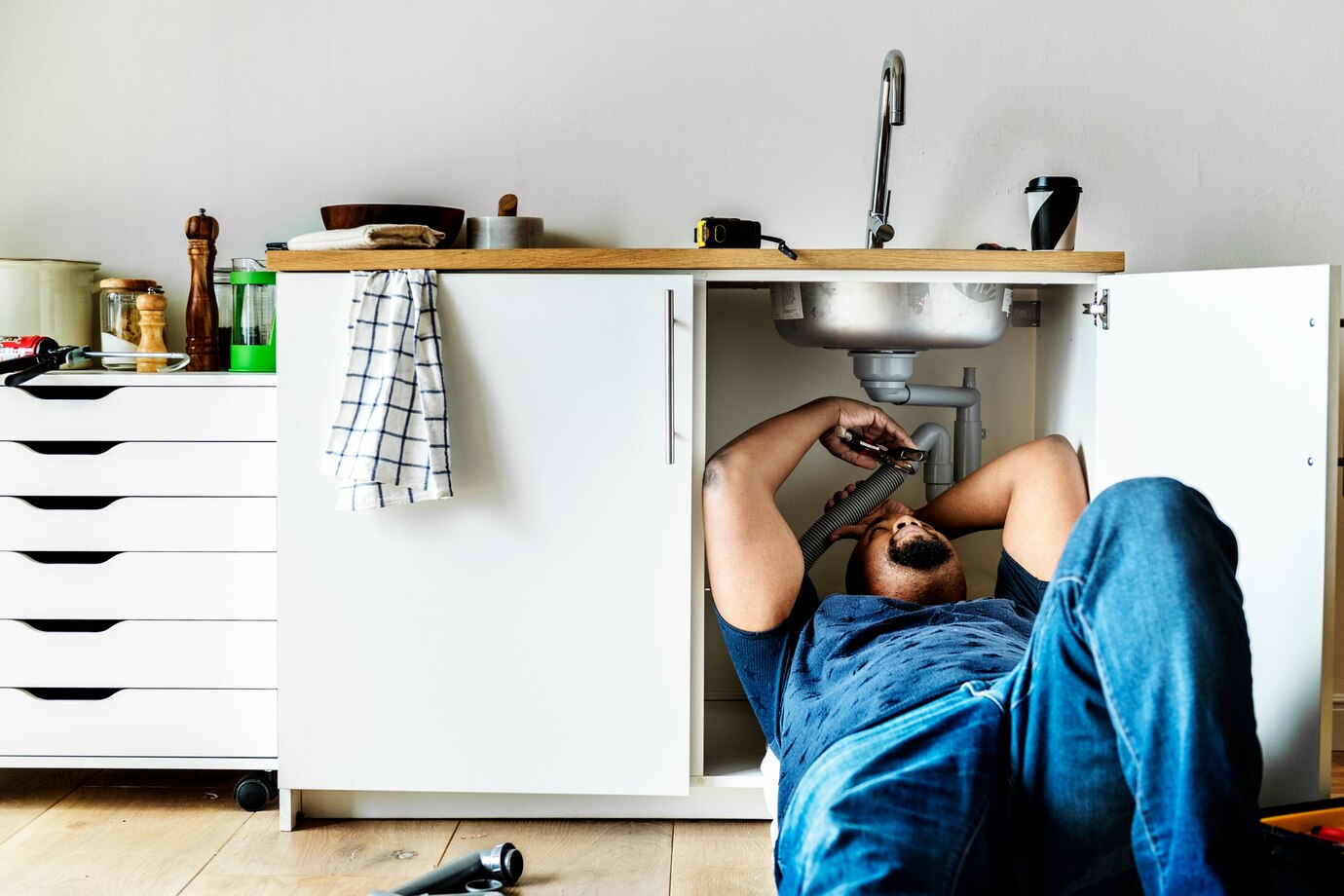
Slow leaks underneath kitchen and bathroom sinks, behind toilets, around washing machines, or inside walls can create persistent moisture. Cabinets may begin to smell musty, paint may bubble, or drywall may become discolored.
By the time you notice visible mold, the moisture source may have been present for some time.
Fix plumbing problems as soon as they are discovered and thoroughly dry the surrounding materials.
4. Air Conditioning Problems
Your AC system is essential in a South Florida home, not only for comfort but also for moisture management.
Problems such as clogged condensate drains, overflowing drain pans, or poor system performance can create unwanted moisture.
The EPA specifically recommends keeping AC drip pans clean and drain lines unobstructed.
Pay attention to water around the indoor AC unit, unusual odors, excessive condensation, or unexplained increases in indoor humidity.
5. Water Damage After Storms or Flooding
Water damage and mold can become a dangerous combination when wet materials are not dried quickly.
The EPA recommends drying wet or damp areas within 24 to 48 hours when possible to help prevent mold growth.
After a major rain event or storm, don’t focus only on standing water. Moisture can remain underneath flooring, behind walls, inside cabinets, and in other hidden spaces.
If your Coral Gables property experiences significant water intrusion, professional water damage restoration can help address the problem before secondary damage develops.
6. Poor Bathroom Ventilation
Bathrooms naturally produce moisture through showers, baths, and hot water.
Without adequate ventilation, that moisture can settle on walls, ceilings, grout, and other surfaces.
Use bathroom exhaust fans while showering and allow them to continue running afterward. Make sure the fan vents appropriately rather than simply moving humid air into another part of the home.
Regularly inspect ceilings, corners, shower areas, and cabinets for discoloration or recurring dampness.
7. Hidden Moisture
Some of the most difficult mold problems are the ones you cannot immediately see.
Mold can develop behind drywall, underneath flooring, behind cabinets, around pipes, or inside other materials affected by moisture.
A persistent musty odor can sometimes be an important warning sign, particularly when there is no obvious source.
The CDC notes that mold can grow on materials including wood, drywall, carpet, insulation, wallpaper, cardboard, and upholstery when excessive moisture is present.
If an area smells musty after a leak or water event, don’t simply cover the odor with an air freshener. Look for the moisture source.
Signs You May Have a Mold Problem
Not every mold problem begins with a large, obvious patch on the wall.
Watch for signs such as:
- Musty or earthy odors
- Dark, green, white, gray, or brown spots
- Water stains on ceilings or walls
- Peeling or bubbling paint
- Warped flooring
- Damp carpets
- Recurring condensation
- Discoloration around AC units
- Mold repeatedly returning after cleaning
- Unexplained moisture in cabinets or closets
The CDC advises that if you see or smell mold, it should be addressed while also correcting the moisture problem that allowed it to grow.
How to Prevent Mold in Your Coral Gables Home
Prevention starts with moisture control.
1. Keep Indoor Humidity Under Control
Use your air conditioning system properly and consider a dehumidifier when necessary. Monitor humidity with a hygrometer, especially during periods of high humidity.
2. Fix Leaks Quickly
Don’t ignore a dripping pipe, damaged roof, overflowing AC drain, or leaking appliance. A small leak can become a much larger restoration problem if moisture continues accumulating.
3. Dry Water-Damaged Areas Quickly
If your home experiences a leak or water intrusion, act quickly. Remove standing water and dry affected materials as soon as possible.
The faster you address moisture, the better your chance of limiting secondary damage.
4. Maintain Your AC System
Have your HVAC system maintained regularly. Keep condensate pans and drain lines clean and make sure the system is properly managing indoor humidity.
5. Improve Ventilation
Use exhaust fans in bathrooms and kitchens. Proper ventilation helps move moisture out of the living space.
6. Check Your Home After Heavy Rain
Following heavy rainfall in Coral Gables, inspect areas that may be vulnerable to water intrusion. Look at ceilings, windows, exterior walls, closets, and areas around the roof.
Early detection can save you from dealing with a much larger problem later.
Should You Clean Mold Yourself?
The answer depends on the size and circumstances of the problem.
The EPA says small areas of mold growth covering less than approximately 10 square feet can often be handled by homeowners following appropriate cleanup guidance. Larger areas, extensive water damage, contaminated water, or suspected HVAC contamination may require professional assistance.
It’s also important to understand that simply killing visible mold does not necessarily solve the problem.
If moisture remains, the mold can return.
And painting over mold isn’t a reliable solution. The EPA specifically advises against painting or caulking moldy surfaces before the mold has been cleaned and the surface dried.
The real goal is to address both the mold and the moisture source.
When Should You Call a Mold Remediation Professional?
Consider professional help when mold covers a large area, keeps returning, follows significant water damage, or appears to be growing in difficult-to-access locations.
Professional mold remediation in Coral Gables can be particularly useful when the source of moisture is unclear or when mold may have spread beyond what is visible.
A professional approach can help determine the extent of the affected area, address moisture-related concerns, and safely clean affected materials based on the circumstances.
If your home has experienced flooding or contaminated water, professional assistance is especially important. The EPA recommends professional cleanup for mold or water damage involving contaminated water.
Mold in Coral Gables FAQs
What causes mold in Coral Gables homes?
Common causes include high indoor humidity, roof leaks, plumbing problems, AC-related moisture, condensation, poor ventilation, flooding, and water intrusion following heavy rain.
How quickly can mold grow after water damage?
Mold can begin growing when moisture remains present. The EPA recommends drying wet materials within 24 to 48 hours when possible to help prevent mold growth.
Can I just paint over mold?
No. Painting over mold does not address the underlying moisture problem and may cause the paint to peel. The mold should be properly cleaned and the moisture source corrected first.
Does a musty smell always mean there is mold?
Not necessarily, but a persistent musty odor can be a warning sign, particularly if it occurs near areas affected by leaks, condensation, or previous water damage. An inspection can help determine the source.
How can I prevent mold after heavy rain?
Check your roof and ceilings for leaks, inspect areas around windows and exterior walls, address standing water quickly, dry wet materials, and monitor indoor humidity.
Is professional mold remediation necessary for every mold problem?
Not always. Small areas may sometimes be handled by homeowners. However, larger areas, extensive water damage, contaminated water, recurring growth, or hidden mold concerns may warrant professional remediation.
Can mold return after remediation?
Yes, if the moisture source is not corrected. Proper moisture control is an essential part of preventing recurring mold growth.
What are the most common places to find Mold in Coral Gables homes?
Mold can develop in bathrooms, kitchens, around air conditioning systems, under sinks, behind walls, beneath flooring, in attics, and other areas where moisture accumulates.
Does Coral Gables’ humid climate increase the risk of mold?
Yes. South Florida’s warm, humid conditions can contribute to elevated indoor moisture. Without proper ventilation and humidity control, these conditions can increase the potential for mold growth.
Can air conditioning problems contribute to Mold in Coral Gables homes?
Yes. AC leaks, clogged drain lines, excessive condensation, or poor drainage can introduce moisture into a home and create conditions where mold may develop.
Can Mold in Coral Gables homes be hidden?
Yes. Mold can grow behind drywall, underneath flooring, inside cabinets, around plumbing, and in other areas that aren’t immediately visible. Persistent odors or unexplained moisture can warrant further inspection.
How does heavy rain contribute to Mold in Coral Gables homes?
Heavy rain can lead to roof leaks, water intrusion around windows and doors, flooding, and excess indoor moisture. If affected areas aren’t dried properly, the remaining moisture can contribute to mold growth.
How can I tell if Mold in Coral Gables is caused by a plumbing leak?
Look for water stains, damp cabinets, warped flooring, peeling paint, musty odors, or recurring moisture near pipes and fixtures. A professional inspection can help identify the source.
What should I do if I discover Mold in Coral Gables after a storm?
Address the source of the water, avoid disturbing heavily affected areas, dry wet materials as quickly as possible, and contact a qualified restoration professional if the affected area is extensive or the moisture problem is difficult to identify.
Can professional mold remediation remove all mold from my home?
The goal of professional remediation is to safely address affected areas and correct the moisture conditions contributing to mold growth. Preventing the problem from returning also requires resolving the underlying moisture source.
Get Professional Mold Remediation in Coral Gables
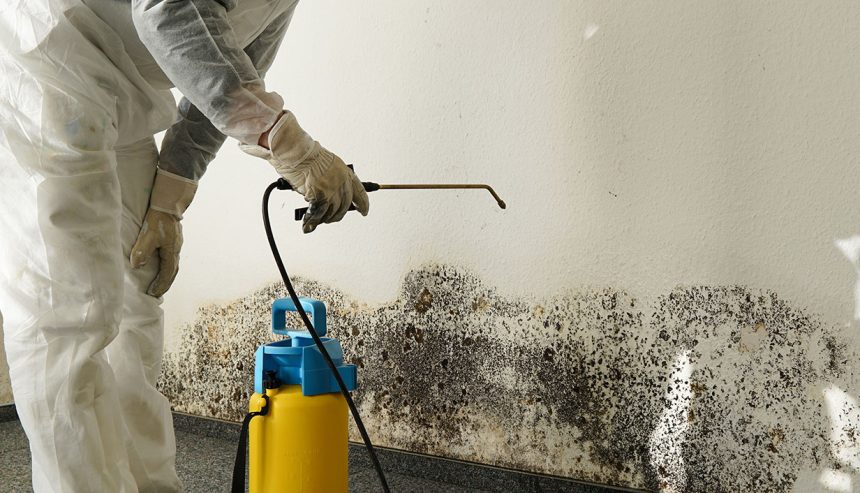
Mold problems can be frustrating, especially when they appear after a leak, storm, AC issue, or other unexpected water event. The key is not simply to remove what you can see. You also need to address the moisture that allowed the problem to develop.
PuroClean of Coral Gables provides professional mold remediation and restoration services for homeowners dealing with mold and moisture-related damage. If you notice visible growth, a persistent musty odor, or signs of hidden moisture, don’t wait for the problem to become more extensive.
Call PuroClean of Coral Gables at (305) 894-4343 to discuss your situation and get professional help addressing your mold concerns.
The Bottom Line
Mold in Coral Gables is often a moisture problem before it becomes a visible mold problem. Florida’s humid conditions, heavy rain, plumbing leaks, AC moisture, roof leaks, and water damage can all create opportunities for mold to grow.
The best defense is early action: control humidity, repair leaks, dry wet areas quickly, maintain your AC system, and investigate musty odors or recurring moisture.
And when the problem is extensive, hidden, or keeps coming back, professional mold remediation can help you address the issue at its source and protect your home from further damage.
For professional mold remediation in Coral Gables, call PuroClean of Coral Gables at (305) 894-4343.