 PuroClean of Coral Gables
Table of Contents
Mold on clothes is more than just an unpleasant smell or stain, it can pose real health risks, especially when exposure is prolonged. From respiratory issues to skin irritation, mold spores trapped in fabrics can affect your well-being and even signal a deeper problem in your home.
If you’ve ever pulled out a shirt that smells musty or noticed dark spots on fabric, you’re not alone. Many homeowners underestimate how quickly mold can grow on clothing especially in humid environments like Miami. In this guide, we’ll break down the real dangers, how it affects your health, and what you should do next.
What Causes Mold on Clothes?
Mold thrives in moisture, warmth, and poor ventilation. Clothes become the perfect breeding ground when these conditions are present.
Common causes include:
- Leaving damp laundry sitting too long
- Storing clothes in humid closets
- Water damage or leaks in the home
- Poor air circulation
- High indoor humidity levels
Even something as simple as putting slightly damp clothes into your wardrobe can trigger mold growth within 24–48 hours.
Is Mold on Clothes Dangerous?
The short answer: yes, it can be.
While not every exposure leads to severe illness, repeated contact with mold spores especially through clothing can impact your health over time. This is because fabrics trap spores, allowing them to stay in close contact with your skin and lungs.
The risk increases if:
- You wear contaminated clothing
- Mold is widespread in your home
- You have allergies, asthma, or a weakened immune system
9 Health Risks Linked to Mold on Clothes
1. Respiratory Problems
Breathing in mold spores can irritate your airways, leading to coughing, wheezing, and shortness of breath.
2. Allergic Reactions
Common symptoms include sneezing, runny nose, itchy eyes, and throat irritation.
3. Asthma Triggers
For asthma sufferers, mold exposure can worsen symptoms or trigger attacks.
4. Skin Irritation
Direct contact with moldy fabrics can cause rashes, itching, or redness.
5. Sinus Infections
Prolonged exposure may lead to sinus congestion and recurring infections.
6. Headaches and Fatigue
Some people report persistent headaches and tiredness when exposed to mold.
7. Eye Irritation
Burning or watery eyes are common when mold spores are present.
8. Weakened Immune Response
Long-term exposure can make your body more susceptible to illness.
9. Risk for Vulnerable Groups
Children, the elderly, and those with compromised immunity are more at risk of severe reactions.
Mold on Clothes vs Mildew: What’s the Difference?
Although often used interchangeably, mold and mildew are slightly different.
- Mildew is usually gray or white and grows on the surface.
- Mold tends to be darker (green, black) and penetrates deeper into fabric.
Both can cause health issues, but mold is generally more harmful and harder to remove.
Can Mold on Clothes Spread?
Yes, and faster than most people realize.
Mold spores can:
- Transfer to other clothes in your closet
- Spread through the air to furniture and walls
- Contaminate washing machines if not handled properly
This is why one moldy item can quickly turn into a bigger household problem.
Signs Your Clothes May Have Mold
Watch out for these warning signs:
- Musty or damp odor
- Visible spots (black, green, or white)
- Fabric discoloration
- Persistent smell even after washing
If you notice these signs, it’s important to act quickly.
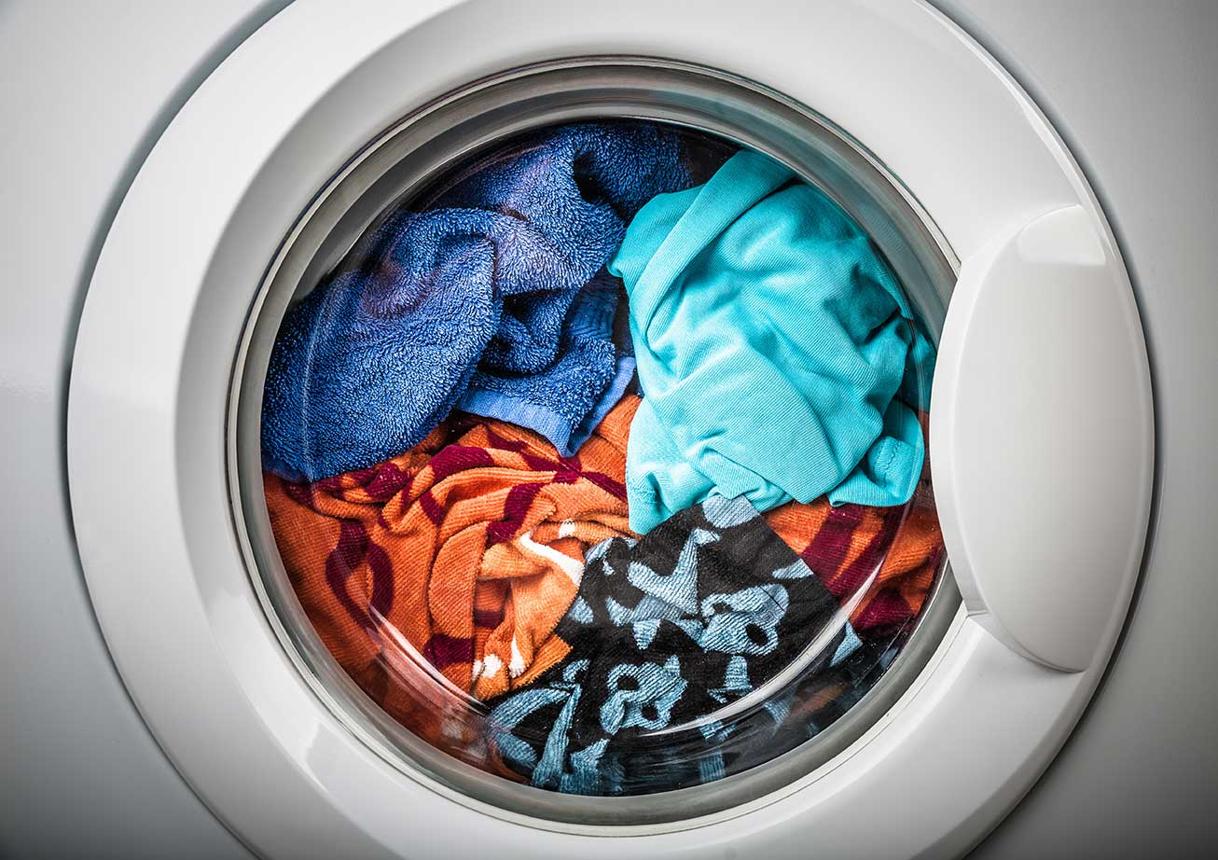
How to Remove Mold from Clothes Safely
If the issue is minor, you may be able to clean the affected items at home.
Step-by-step approach:
- Take clothes outside to avoid spreading spores indoors
- Brush off visible mold (wear a mask if possible)
- Pre-treat with vinegar or baking soda
- Wash in hot water (if fabric allows)
- Dry completely, preferably in sunlight
However, heavily contaminated clothing may need to be discarded.
Why DIY Cleaning Isn’t Always Enough
Here’s the reality: cleaning the clothes doesn’t always solve the root problem.
If mold keeps coming back, it usually means:
- There’s hidden moisture in your home
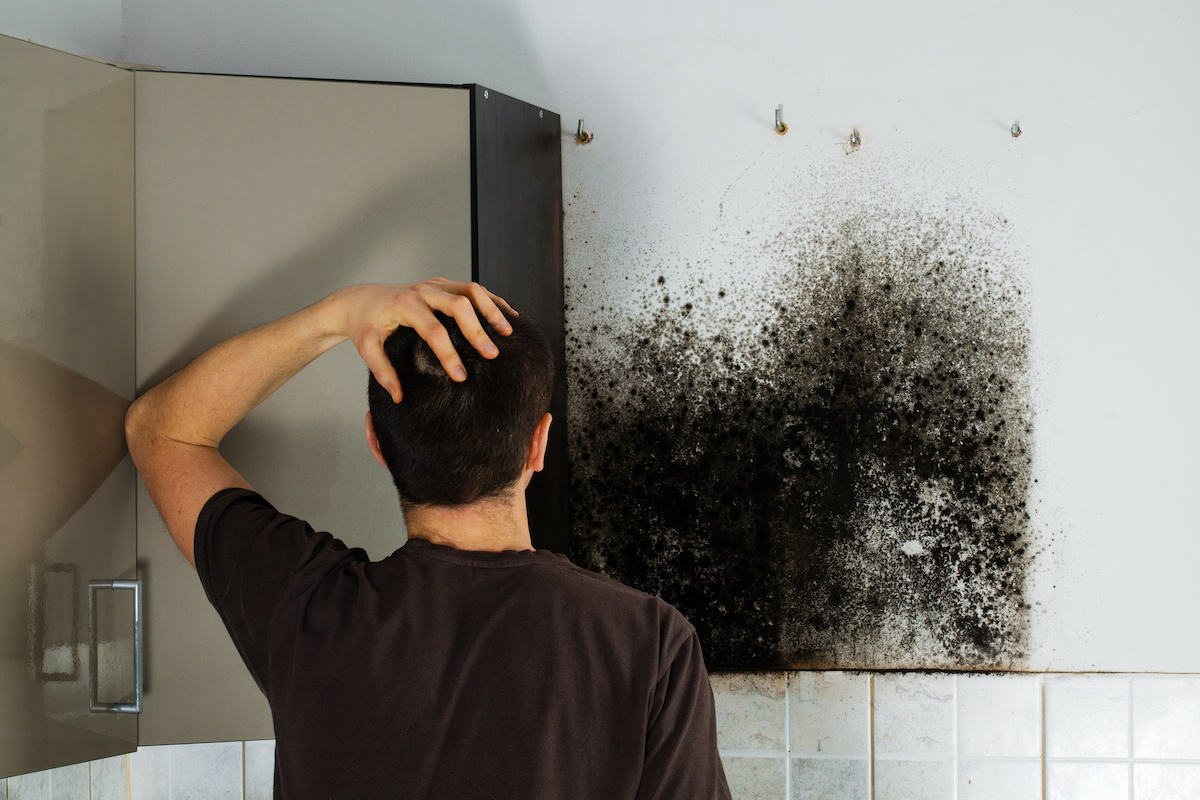
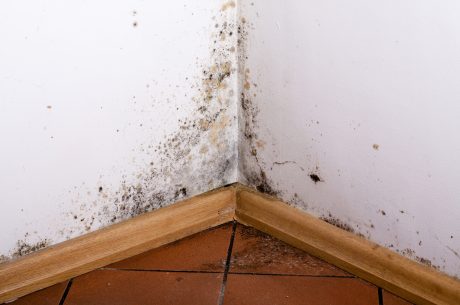
- Mold is growing in walls, ceilings, or HVAC systems
- Humidity levels are too high
This is where professional help becomes essential.
How to Prevent Mold on Clothes
Prevention is always better than dealing with recurring mold issues.
Simple tips to protect your clothes:
- Never store damp clothing
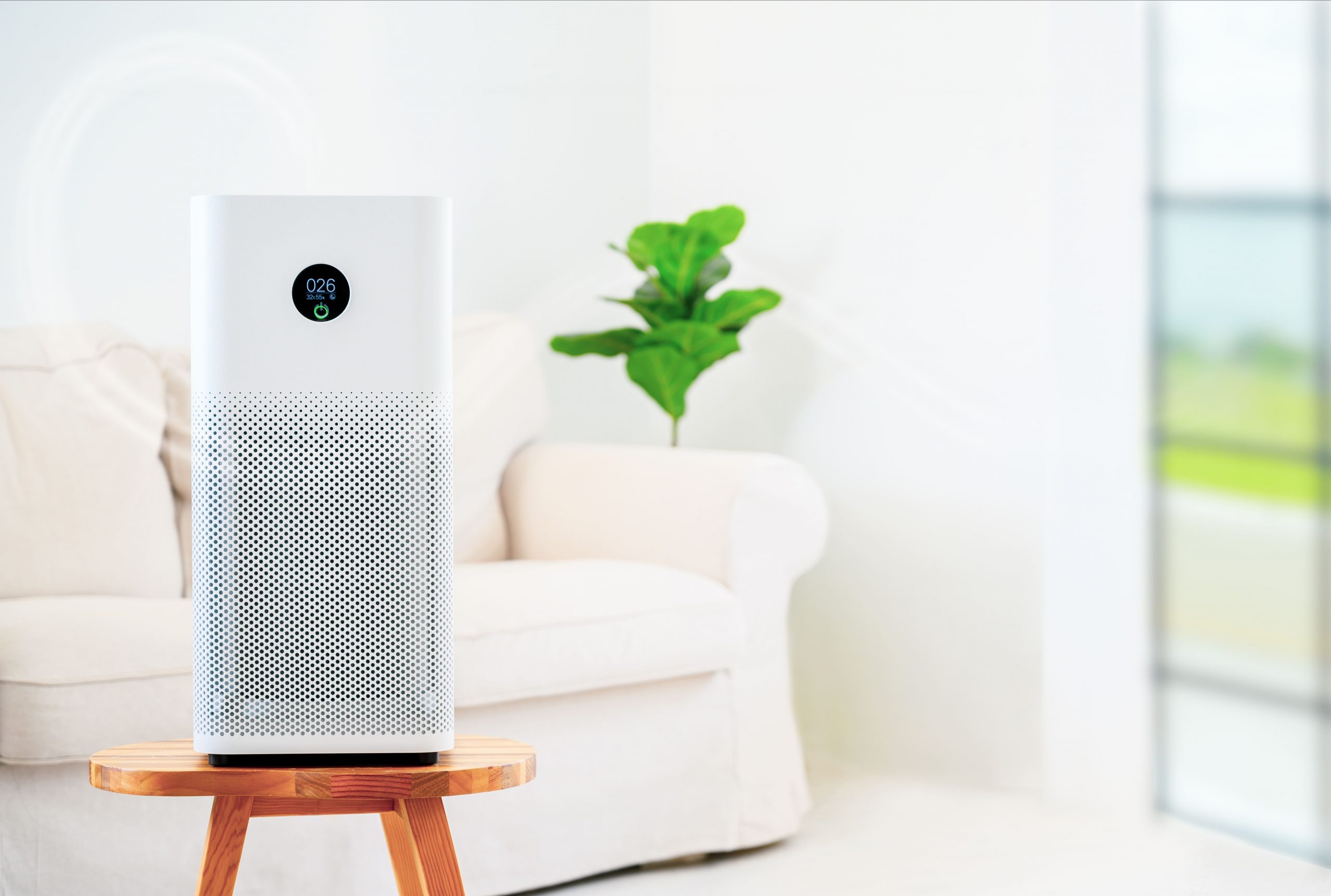
- Use a dehumidifier in humid areas
- Ensure proper ventilation in closets
- Fix leaks immediately
- Avoid overpacking wardrobes
- Wash and dry clothes promptly
In places like Miami, controlling indoor humidity is especially important.
When Mold on Clothes Signals a Bigger Problem
Sometimes, mold on clothing is just the tip of the iceberg.
It may indicate:
- Hidden water damage
- Leaking pipes behind walls
- Roof or ceiling issues
- Poor indoor air circulation
Ignoring these signs can lead to structural damage and costly repairs down the line.
FAQs About Mold on Clothes
1. Can I wear clothes that have mold on them?
It’s not recommended. Wearing contaminated clothes can expose your skin and lungs to mold spores, increasing health risks.
2. Does washing remove mold completely?
In some cases, yes but not always. Deep-set mold or recurring contamination may require professional cleaning or disposal.
3. Can mold on clothes make you sick?
Yes, especially with prolonged exposure. It can cause respiratory issues, allergies, and skin irritation.
4. How fast does mold grow on clothes?
Under the right conditions, mold can start growing within 24–48 hours.
5. What kills mold on clothes instantly?
Hot water, vinegar, and specialized detergents can help—but effectiveness depends on the severity.
Don’t Ignore Mold on Clothes. Protect Your Home and Health
If you’re constantly dealing with mold on clothes, it’s likely not just a laundry issue, it’s a home issue.
At PuroClean of Coral Gables, we specialize in identifying the source of mold, containing its spread, and restoring your property safely and effectively.
Why choose PuroClean?
- 24/7 rapid response
- Advanced mold detection and remediation
- Safe, professional-grade equipment
- Experienced local experts
We don’t just treat the symptoms, we eliminate the cause.
Call PuroClean of Coral Gables today to schedule an inspection and protect your home, your clothes, and your health.
Final Thoughts
Mold on clothes is dangerous, especially when exposure is repeated or prolonged. It can affect your respiratory health, trigger allergies, and signal hidden mold problems in your home.
The key is early action, clean what you can, but don’t ignore the warning signs. If mold keeps returning, it’s time to bring in professionals.
Because when it comes to mold, what you don’t see can hurt you.

 PuroClean of Coral Gables