

Table of Contents
If you have ever noticed fuzzy spots in your bathroom or dusty patches in a dark corner, you have probably wondered: Is mold or mildew more dangerous? The short answer is mold is generally more harmful to both your health and your home’s structure. Mildew usually stays on the surface and is easier to clean. Mold, on the other hand, can burrow deep into porous materials, produce more spores, and often indicates a larger moisture problem. In this post, you will learn how to tell them apart, why mold is the bigger threat, how to safely address each, and when it is time to call in professionals like PuroClean of Coral Gables.
What Are Mold and Mildew?
Both mold or mildew are types of fungi that grow in damp, humid conditions. The United States Environmental Protection Agency EPA explains mold and mildew thrive where moisture is present and can range from harmless to potentially dangerous depending on type and exposure. (epa.gov)
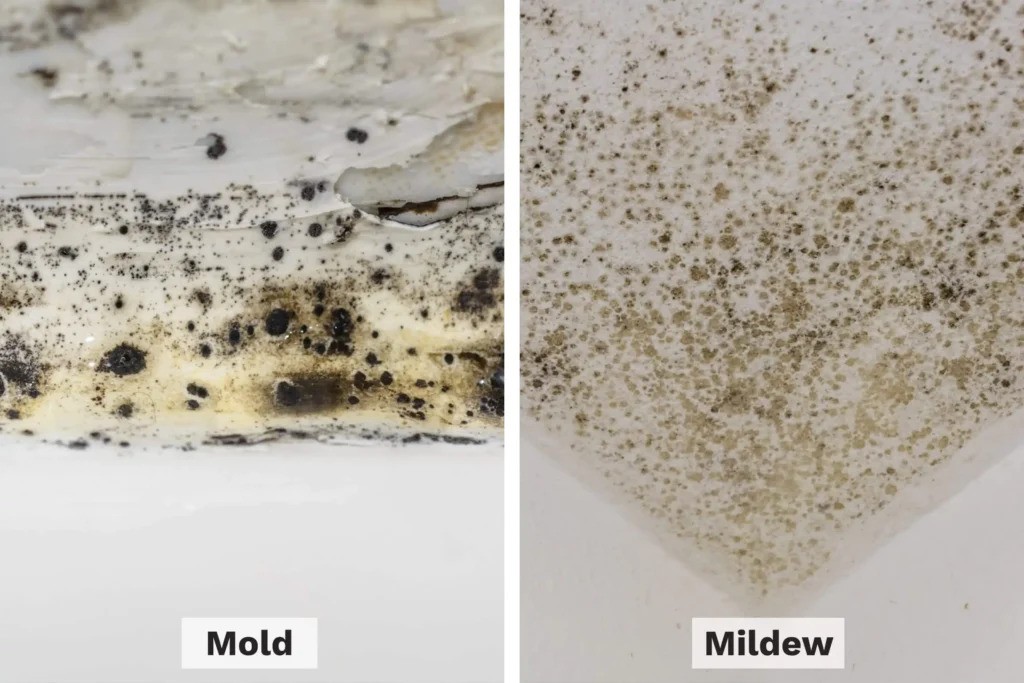
Mildew Defined
- Appears chalky, powdery, or flat
- Typically white, gray, or light in color
- Grows on surfaces like tiles, shower grout, and windowsills
- Tends not to penetrate deeply into materials
Mold Defined
- Can be black, green, brown, or other colors
- Often fluffy or fuzzy in appearance
- Burrows into surfaces like drywall, wood, and insulation
- Releases spores into the air as it grows
Though the terms often get mixed up, they are not interchangeable when it comes to severity or risk.
Mold or Mildew: Key Differences That Matter
When deciding whether mold or mildew is more dangerous, it helps to compare them side by side:
| Feature | Mildew | Mold |
|---|---|---|
| Depth of Growth | Surface level | Deep penetration |
| Health Risk | Mild irritation | Moderate to serious issues |
| Color | Light tones | Multiple colors |
| Texture | Powdery | Fuzzy or slimy |
| Structural Damage | Unlikely | Possible |
Mildew is usually harmless beyond surface staining. Mold, however, can invade building materials and create more complex damage that goes beyond what you can clean with household products.
Why Mold is Generally More Dangerous
There are several reasons mold poses a greater threat than mildew:
1. Deeper Material Penetration
Mold filaments, called hyphae, can push deep into porous materials like:
- Drywall
- Carpets
- Wood framing
This makes removal harder and allows mold to continue growing even after surface cleaning.
2. Stronger Health Impacts
According to the Centers for Disease Control and Prevention CDC, mold exposure can cause a variety of symptoms, especially for sensitive individuals. (cdc.gov)
Typical reactions include:
- Persistent coughing or wheezing
- Nasal congestion
- Irritated or itchy eyes
- Increased asthma symptoms
Mildew might cause occasional sneezing or mild irritation, but mold exposure is much more likely to lead to ongoing health issues, especially with prolonged contact.
3. Hidden Growth Often Goes Unnoticed
Mildew is usually visible right away. Mold, however, can grow behind walls, under flooring, or above ceilings without detection. By the time homeowners notice a musty odor or visible spots, mold may have already spread significantly.
4. Higher Spore Production
Mold releases more spores into the air as it grows. These tiny particles can travel through your home’s air system, increasing exposure and risk. Mildew has fewer spores and tends to stay localized.
5. Potential for Structural Damage
Mold does not just sit on surfaces. It can weaken the very materials that make up your home. When wood, drywall, or insulation become compromised, the cost and complexity of repairs rise quickly.
6. Dangers Increase With Size and Location
Small patches of mildew in a shower corner are usually harmless and easy to clean. A large area of mold in a crawl space, attic, or wall cavity, however, is a serious concern that needs swift attention.
7. Mildew Can Turn Into Mold
If left unattended, surface mildew can evolve into full grown mold colonies, especially when moisture persists. Addressing mildew early can prevent bigger problems later.
Where Mold or Mildew Grow in Your Home
Both fungi thrive in damp environments, but their favorite spots differ:
Common Mildew Locations
- Shower tiles and grout
- Windowsills
- Flat, moist surfaces
Common Mold Locations
- Behind walls affected by leaks
- Under carpets or padding after flooding
- Inside HVAC systems and vents
- Crawl spaces and attics
Mildew loves fresh moisture on surfaces. Mold prefers hidden places that stay damp longer.
Health Impacts Explained
Is Mildew Harmful?
Mildew can cause:
- Mild sneezing
- Minor nasal irritation
For most healthy individuals, these effects are temporary and manageable.
Is Mold Harmful?
Mold exposure, especially in enclosed spaces, can cause:
- Chronic coughing
- Increased asthma attacks
- Persistent sinus irritation
- Skin irritation
People with compromised immune systems or respiratory conditions may experience more serious symptoms.
According to the CDC, mold exposure is associated with respiratory symptoms and allergic reactions. (cdc.gov)
Quick DIY Solutions for Mildew
If you are dealing with small surface mildew and want to try cleaning it yourself, here are some safe tips:
- Mix white vinegar and water
- Wear gloves and ensure good ventilation
- Scrub gently with a brush
- Dry the area thoroughly afterward
If mildew keeps returning, that is a sign of underlying moisture that needs to be fixed.
Why Professional Cleanup is Sometimes Necessary
DIY cleaning can remove surface mildew. For more serious mold problems, you may need professionals when:
- Musty odors linger
- Mold returns after cleaning
- You see discoloration inside walls
- Health symptoms worsen indoors
- The affected area is large
Cleaning visible mold without addressing moisture sources or hidden growth seldom provides a lasting solution.
FAQs About Mold or Mildew
Q: Does mildew turn into dangerous mold?
Yes, if the environment stays moist, mildew can develop into more invasive mold growth over time.
Q: Is bleach effective for mold and mildew?
Bleach can remove stains on non porous surfaces, but it does not eliminate mold roots. Professional removal ensures deeper treatment.
Q: Can mold grow without visible water leaks?
Yes. High humidity or condensation can create enough moisture for mold to grow, even without obvious leaks.
Q: Should I test for mold before removal?
Testing is not always necessary if you can see or smell mold. What matters most is stopping moisture and removing the growth.
Q: How soon should I act if I find mold?
Immediately. The longer mold stays, the deeper it spreads and the harder it becomes to treat.
Preventing Mold or Mildew in Your Home
Whether you have discovered mold or mildew, prevention focuses on moisture control:
- Fix leaks promptly
- Use exhaust fans in bathrooms and kitchens
- Keep indoor humidity below 50 percent
- Increase airflow around damp areas
- Dry wet materials within 24 to 48 hours
Addressing moisture is the first step to keeping both mold and mildew at bay.
When to Call the Pros
If you are unsure whether you are dealing with mold or mildew, or if the growth is widespread, persistent, or hidden behind walls, it is time to reach out for professional help.
Professional Mold and Mildew Removal with PuroClean of Coral Gables
Mold and mildew not only look unpleasant, they can pose health risks and structural damage if left untreated. When you are dealing with fungal growth that will not go away, you need a team with experience, precision, and a commitment to your safety.
Here is how PuroClean of Coral Gables helps:
- Thorough mold and mildew inspection
- Identification of hidden moisture sources
- Safe and complete removal
- Preventive measures to keep growth from returning
- Restoration services after water damage
Do not let small spots become big problems. Our trained technicians use advanced methods to protect your home and your family.
Call PuroClean of Coral Gables today for mold and mildew removal you can trust. (305) 894-4343.
In Summary: Mold or Mildew — Which Is More Dangerous?
Although both mold and mildew are fungi that thrive in moisture, mold is more dangerous due to its ability to penetrate deeper into materials, spread unseen, and trigger more significant health and structural issues. Mildew typically stays on the surface and is easier to remove. If you suspect mold, acting early and involving professionals like PuroClean of Coral Gables will protect both your home and well being.