

The leak stopped. The dripping has stopped, the puddle is gone, and everything looks normal again. So, do you really need water restoration?
In many cases, yes.
Stopping the source of a leak is an important first step, but it does not automatically remove the water that has already soaked into flooring, drywall, insulation, cabinets, or other materials. Hidden moisture can continue causing damage long after the visible water disappears.
For homeowners in Coral Gables, where humidity and frequent rain can make moisture problems more difficult to manage, acting quickly matters. PuroClean of Coral Gables provides professional water damage restoration to help identify hidden moisture, dry affected areas, and prevent a small leak from turning into a much bigger problem.
Call (305) 894-4343 if your Coral Gables home has recently experienced a leak, overflow, appliance failure, or other water damage.
The Leak Stopped. Is the Water Damage Over?
Not necessarily.
Imagine a supply pipe under your kitchen sink breaks overnight. By morning, you’ve shut off the water and cleaned up the puddle on the floor.
It is tempting to assume the problem is finished.
But where did the water go?
Some may have soaked beneath the flooring. Some may have reached the bottom of the cabinets. Some may have entered the drywall or insulation behind the wall. Moisture can remain in places you cannot see or reach with a household towel.
That is why the need for Water Restoration is not simply a question of whether water is still coming from the original source.
The bigger question is:
Has your home been completely dried and checked for hidden moisture?
According to the U.S. Environmental Protection Agency, wet or damp materials should ideally be dried within 24 to 48 hours to help prevent mold growth. The EPA also emphasizes that moisture control is the key to controlling indoor mold.
Why a Stopped Leak Can Still Cause Damage
Water does not disappear simply because the original leak has been repaired.
It moves.
Water can travel underneath flooring, through drywall, into insulation, beneath cabinets, and into other materials. Some of these areas can remain damp even when the surface feels dry.
That creates two problems: continued property damage and increased risk of mold.
The longer moisture remains trapped, the harder it can be to determine what has been affected.
This is particularly important in Coral Gables and throughout South Florida. Warm temperatures and high humidity can create favorable conditions for moisture related problems.
A leak that appears minor on Monday can become a much more expensive restoration problem if hidden moisture is overlooked.
7 Signs You May Still Need Water Restoration
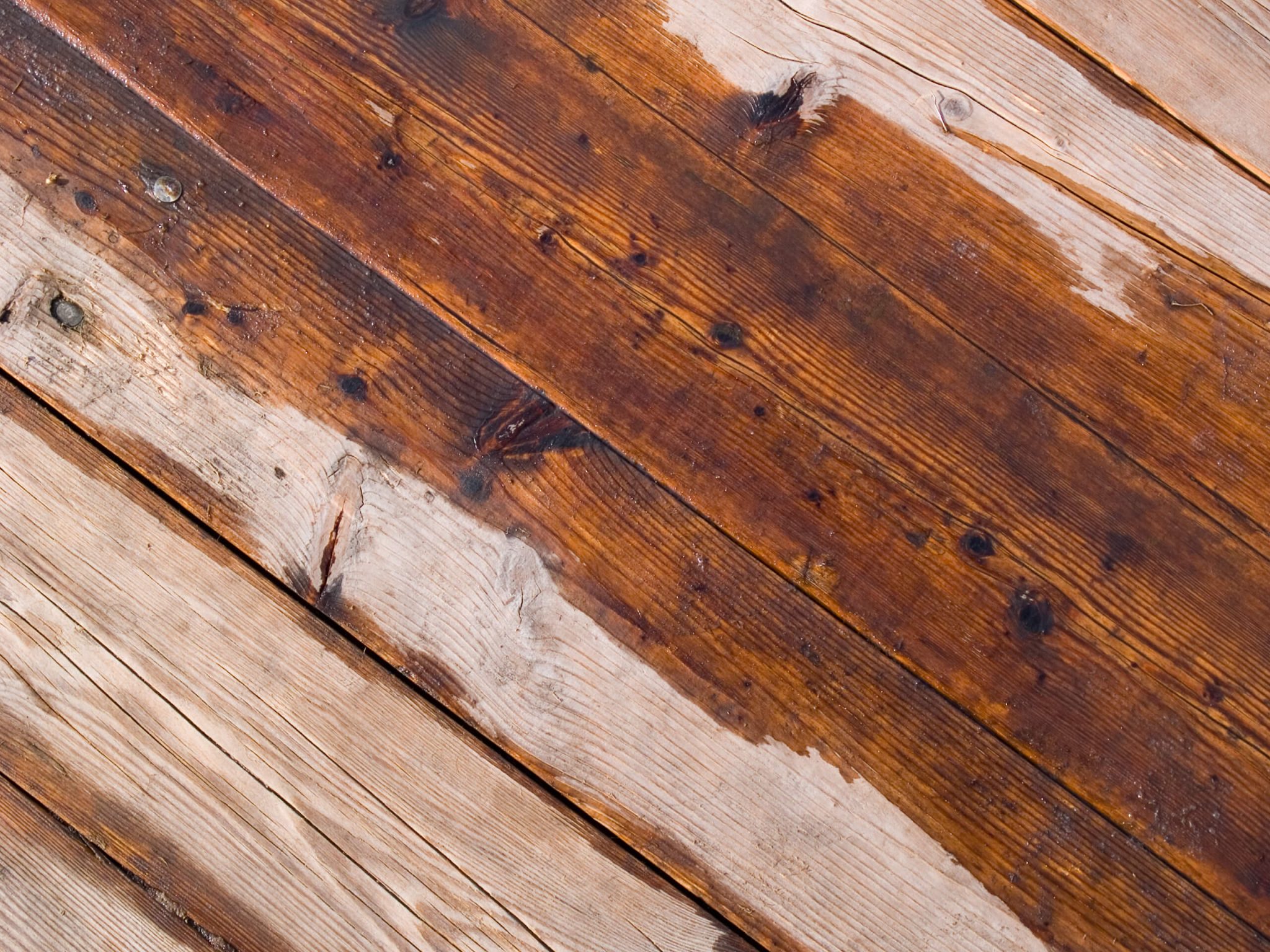
1. Your Floor Is Warped, Buckled or Soft
Flooring can reveal what happened underneath it.
Wood may warp or swell. Laminate may buckle. Carpet can remain damp underneath even when the surface feels relatively dry.
If flooring has changed shape after a leak, there may still be moisture underneath it.
Do not assume that simply drying the visible surface has solved the problem.
The subfloor may also need to be inspected and dried.
2. Your Drywall Feels Soft or Looks Different
Drywall absorbs water surprisingly easily.
After a leak, you may notice:
- Soft or swollen drywall
- Bubbling or peeling paint
- Discoloration
- Brown or yellow water stains
- Cracks or changes in texture
- A damp feeling around the affected area
These signs should not be ignored.
Water can move inside a wall cavity, meaning the visible stain may not represent the full extent of the damage.
The U.S. EPA specifically notes that hidden areas such as walls, ceilings, crawl spaces and attics can be overlooked after water enters a building.
3. Your Home Has a Musty Smell
A musty odor is another reason to take a closer look.
You may clean the floor, wipe down the walls and remove the obvious water, but still notice a damp or earthy smell days later.
That odor can be associated with mold growth or persistent moisture.
The EPA notes that strong musty odors can indicate mold growth and should be investigated.
If your Coral Gables home still smells damp after a leak, don’t simply cover the smell with air freshener.
Find out why the smell remains.
4. Your Cabinets or Baseboards Are Swollen
Kitchen and bathroom cabinets can absorb water through their lower edges.
Baseboards can also swell, discolor or separate from the wall.
These areas are easy to overlook because they are close to the floor and may dry slowly.
If water reached the cabinets or baseboards, there may be moisture underneath or behind them.
This is one situation where professional moisture assessment can be especially useful.
5. The Leak Came From a Large Amount of Water
Not every leak creates the same level of risk.
A few drops from a faucet are very different from a burst pipe, overflowing washing machine, failed water heater, toilet overflow or significant roof leak.
The greater the volume of water, the greater the possibility that moisture has reached areas you cannot see.
If a large amount of water entered your Coral Gables home, it is worth having the affected area evaluated even after the source has been repaired.
6. You Could Not Dry Everything Quickly
Time matters after water damage.
The EPA recommends drying wet or damp areas and materials within 24 to 48 hours to help prevent mold growth.
That does not mean mold will automatically appear after 48 hours. It means that the longer materials remain wet, the greater the concern becomes.
If a leak happened while you were away, overnight, or during a vacation, the water may have been sitting for hours before anyone discovered it.
That is a good reason to take the situation seriously.
7. You Are Not Sure Whether Everything Is Dry
This may be the biggest warning sign of all.
If you cannot confidently say that the affected areas are completely dry, there may still be a problem.
A towel can remove surface water.
It cannot tell you whether moisture remains underneath flooring or inside a wall.
Professional restoration teams can assess affected areas, identify moisture that may not be visible, and use appropriate drying methods to help return the property to a dry condition.
Why Coral Gables Homeowners Should Take Small Leaks Seriously
Coral Gables homes deal with a unique combination of heat, humidity, heavy rainfall and air conditioning use.
A leak does not need to look dramatic to create a moisture problem.
For example, an AC drainage issue could introduce water gradually. A roof leak may only become noticeable during heavy rain. A plumbing connection behind a cabinet could leak for days before anyone notices.
By the time you see a stain on the wall or notice a musty smell, the moisture may have already affected materials behind the visible area.
That is why early action can make a difference.
What Should You Do After a Leak Stops?
First, make sure the source of the water has been stopped or repaired.
If it is safe to do so, remove standing water and move valuable belongings away from the affected area.
Then look beyond what you can see.
Check flooring, walls, ceilings, cabinets and nearby areas for signs of moisture. Take photographs of the damage for your records and contact your insurance company when appropriate.
The EPA recommends documenting damage after flooding and emphasizes that drying the home and removing water damaged materials are important steps in preventing mold damage.
If the damage is extensive, involves contaminated water, or you cannot determine whether the property is completely dry, professional help is a safer choice.
Do not use fans or attempt cleanup without considering the type and source of the water. Water from sewage or other contaminated sources can require specialized precautions and professional handling.
Can You Handle Minor Water Damage Yourself?
Sometimes homeowners can clean up a very small amount of clean water quickly.
But there is a difference between wiping up a small spill and dealing with water that has entered building materials.
You may need professional assistance when:
- Water has soaked into drywall
- Flooring or subflooring is affected
- A large amount of water entered the home
- The water came from sewage or another contaminated source
- The affected area cannot be completely dried
- There is a persistent musty odor
- Mold is already visible
- You are unsure how far the water traveled
The goal is not simply to make the room look dry.
The goal is to make sure the moisture problem has actually been addressed.
What Does Professional Water Damage Restoration Involve?
Professional restoration goes beyond picking up standing water.
Depending on the situation, the process may involve assessing the affected areas, extracting standing water, identifying hidden moisture, drying structural materials, controlling humidity and monitoring the property as it dries.
The EPA notes that professional firms working on water damaged buildings commonly use equipment such as air movers and dehumidifiers to accelerate drying.
The exact restoration process depends on the source of the water, the amount of damage, the materials affected and how long the property has been wet.
That is why every water damage situation should be evaluated individually.
Why Waiting Can Make Water Damage Worse
One of the biggest mistakes homeowners make is waiting because the problem appears to have resolved itself.
The pipe has been repaired.
The rain has stopped.
The puddle is gone.
The ceiling is no longer dripping.
It feels like the emergency is over.
But the hidden moisture may still be there.
And once moisture reaches porous materials, secondary damage can develop.
Mold is one concern. Damaged flooring, deteriorated drywall, unpleasant odors and additional repair needs are others.
The EPA recommends acting quickly when leaks or spills occur and drying affected materials promptly.
In other words, fixing the leak is the beginning of the solution, not necessarily the end.
Need Water Restoration in Coral Gables?
If a leak has stopped but your home still shows signs of water damage, don’t wait for the problem to become more obvious.
PuroClean of Coral Gables provides professional water damage restoration for homeowners dealing with leaks, flooding, plumbing failures, appliance leaks and other water related emergencies.
Our team can help assess the affected area, remove standing water where necessary, address moisture and begin the drying and restoration process.
Whether the problem started with a burst pipe in your kitchen, an overflowing appliance, a roof leak after heavy Miami rain, or another unexpected water event, getting professional help early can help limit additional damage.
If you’re in Coral Gables or nearby communities and you’re unsure whether the damage requires professional attention, it’s better to ask than to discover a bigger problem later.
Call PuroClean of Coral Gables at (305) 894-4343 for professional water damage restoration assistance.
FAQs
Do I still need water restoration if the leak has stopped?
Possibly. Stopping the source prevents additional water from entering, but moisture may already be trapped inside walls, flooring, cabinets or other materials. A professional assessment can help determine whether additional drying is necessary.
How quickly should water damage be dried?
The EPA recommends drying wet or damp materials within 24 to 48 hours when possible to help prevent mold growth.
Can water damage cause mold after the leak is repaired?
Yes. Repairing the leak does not automatically remove moisture that has already entered the property. Mold can grow when moisture remains available, which is why drying the affected areas is important.
How do I know if water is trapped behind my wall?
Soft drywall, discoloration, bubbling paint, peeling surfaces, musty odors and other changes can indicate hidden moisture. Professional moisture assessment can help identify areas that may not be obvious during a visual inspection.
Can I dry water damage with household fans?
Small amounts of clean water may sometimes be managed with basic drying methods, but larger or hidden water damage can require specialized equipment and monitoring. The source and type of water should also be considered before starting cleanup.
What if the water came from sewage?
Sewage and other contaminated water require additional safety precautions. The EPA recommends professional consultation for extensive water damage or water that is not clean.
How long does water damage restoration take?
There is no single timeline. Drying and restoration time depends on the amount of water, affected materials, source of the water, extent of hidden moisture and other conditions. A professional assessment can provide a better estimate.
Should I call a restoration company for a small leak?
If the leak was minor and everything was cleaned and completely dried quickly, professional restoration may not always be necessary. However, if water entered walls, floors or other building materials, or you are unsure whether everything is dry, professional assessment can help prevent hidden problems.
The Bottom Line
Need Water Restoration?
If the leak has stopped but moisture remains, the water damage has not necessarily stopped.
A repaired pipe, dry-looking floor or cleared puddle does not prove that everything underneath is dry. Hidden moisture can remain inside flooring, walls, cabinets and other materials, creating the potential for further property damage and mold growth.
For Coral Gables homeowners, the safest approach is to address water damage promptly, especially after a significant leak or flooding event.
Stop the source. Assess the damage. Dry the affected areas completely. And when you’re unsure, call a professional.
If your Coral Gables home has recently experienced water damage, contact PuroClean of Coral Gables at (305) 894-4343 for professional water damage restoration assistance.