


Table of Contents

Mold thrives in environments with excess moisture and poor airflow, making proper ventilation a critical step to prevent mold. By managing airflow and reducing humidity in your home, you can create an environment that is less hospitable to mold growth. In this comprehensive guide, we’ll explore how to maintain proper ventilation to prevent mold, along with actionable tips to keep your living spaces healthy and mold-free.
Why Proper Ventilation is Crucial to Prevent Mold
Mold needs three primary factors to grow: moisture, warmth, and organic material to feed on (like wood, drywall, or fabric). Ventilation helps control two of these factors—moisture and warmth—by circulating air and removing excess humidity to prevent mold. Without proper airflow, moisture can become trapped in your home, creating the perfect conditions for mold to develop.
Effective ventilation can:
- Reduce indoor humidity levels.
- Dry out damp areas more quickly.
- Minimize condensation on windows, walls, and other surfaces.
- Improve overall indoor air quality.
Key Areas to Focus on for Ventilation
Certain areas of your home are more prone to mold growth due to moisture accumulation. Proper ventilation in these areas is critical to prevent mold:
1. Bathrooms
Bathrooms are hotspots for mold due to the constant presence of steam from showers and baths. Ensure they are well-ventilated to prevent mold by:
- Installing and regularly using an exhaust fan. Make sure the fan vents to the outside, not just into the attic or another area.
- Leaving the bathroom door or window open after showers to allow steam to escape.
- Wiping down walls, mirrors, and shower stalls after use to remove excess moisture.
2. Kitchens
Cooking and dishwashing generate significant amounts of moisture. To prevent mold in your kitchen:
- Use a range hood or exhaust fan while cooking, especially when boiling or steaming food.
- Open windows to improve airflow when cooking.
- Check for leaks under the sink and around appliances like dishwashers and refrigerators.
3. Basements and Crawl Spaces
These areas are often poorly ventilated, dark, and damp—ideal conditions for mold. Improve ventilation by:
- Using a dehumidifier to keep humidity levels below 50%.
- Installing vents or fans to promote air circulation.
- Ensuring gutters and downspouts direct water away from your foundation to prevent water intrusion.
4. Attics
Poorly ventilated attics can trap heat and moisture, leading to mold growth. Prevent mold by:
- Installing ridge and soffit vents to allow proper airflow.
- Checking for roof leaks and repairing them promptly.
- Ensuring attic insulation is sufficient to prevent condensation.
5. Living Areas
In living rooms, bedrooms, and other spaces, poor ventilation can lead to condensation and mold. Address this by:
- Opening windows regularly to let in fresh air.
- Using ceiling fans to improve airflow.
- Ensuring that furniture isn’t pushed directly against walls, which can restrict airflow and create mold-prone spots.
Tips for Maintaining Proper Ventilation to Prevent Mold
Here are actionable strategies to ensure your home stays well-ventilated and mold-free:
1. Install and Maintain Exhaust Fans
Exhaust fans are essential in high-moisture areas like bathrooms and kitchens. Ensure they are:
- Clean and free of dust or debris that can block airflow.
- Properly vented to the outside of your home.
- Run for 15-20 minutes after activities like showering or cooking to remove excess moisture.
2. Open Windows and Doors
Natural ventilation is one of the easiest ways to improve airflow and to prevent mold. Open windows and doors whenever possible to let fresh air in and stale, moisture-laden air out.
3. Use Dehumidifiers and Air Conditioners
- Dehumidifiers are excellent for reducing humidity in basements, crawl spaces, and other damp areas. Keep indoor humidity levels between 30% and 50% which can prevent mold.
- Air conditioners not only cool your home but also help control humidity. Make sure they are properly maintained to ensure efficiency.
4. Check and Clean Air Ducts
Dirty air ducts can circulate moist, stale air, contributing to mold growth. Have your HVAC system inspected and cleaned regularly to ensure it is functioning properly.
5. Ensure Proper Ventilation in Closets
Closets can become humid and musty if air circulation is poor. Keep closet doors slightly open and avoid overstuffing them to allow airflow. Consider placing moisture-absorbing products like silica gel packs in these spaces.
6. Inspect and Maintain Windows
Condensation on windows is a sign of poor ventilation. To prevent this:
- Use double-glazed windows to reduce temperature differences that cause condensation.
- Wipe away moisture from windows daily.
- Open curtains or blinds to allow air circulation around windows.
How to Identify Poor Ventilation
Recognizing signs of inadequate ventilation is crucial for taking timely action to prevent mold. Be on the lookout for:
- Persistent musty odors.
- Condensation on windows, walls, or ceilings.
- Damp spots on walls or floors.
- Stale air or a lack of fresh air in certain rooms.
If you notice these signs, take steps to improve ventilation immediately.
Benefits of Ventilation Beyond Preventing Mold
In addition to prevent mold, proper ventilation offers several other benefits:
- Improved Air Quality: It reduces the buildup of allergens, dust, and pollutants.
- Better Energy Efficiency: Proper airflow can reduce the need for excessive heating or cooling.
- Healthier Living Environment: It minimizes the risks of respiratory issues caused by poor air quality or mold exposure.
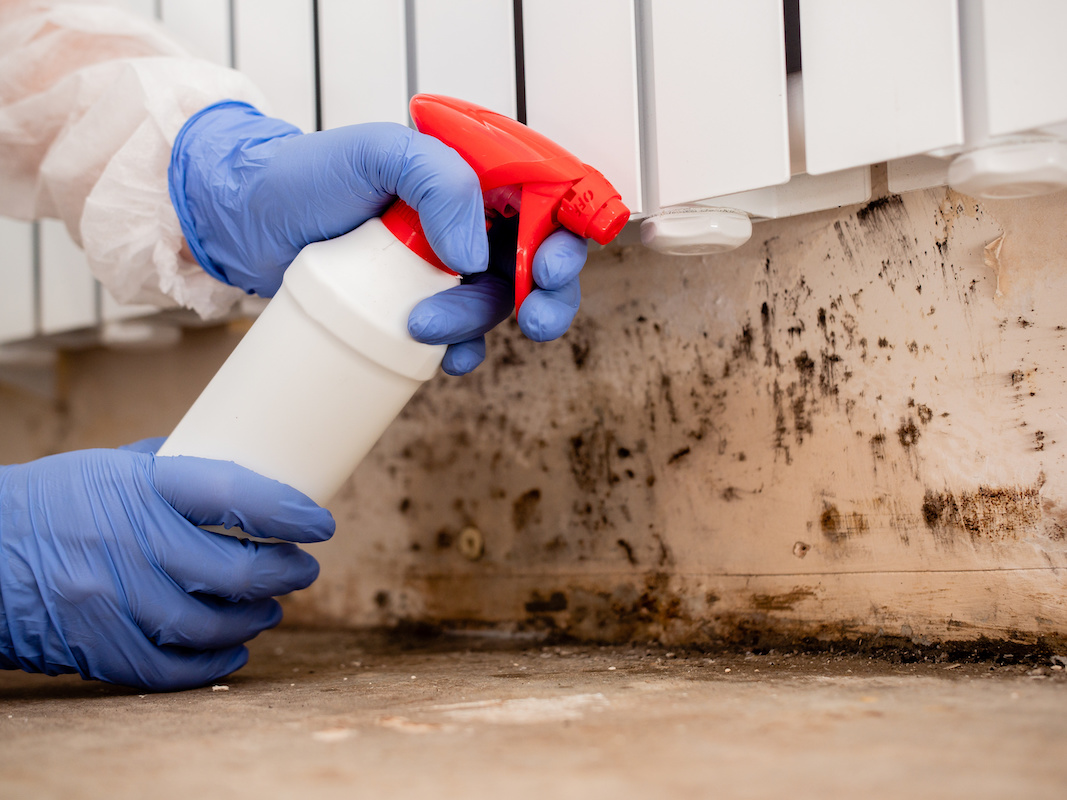
Maintaining proper ventilation is one of the most effective ways to prevent mold in your home. By focusing on high-risk areas like bathrooms, kitchens, basements, and attics, and adopting strategies like using exhaust fans, dehumidifiers, and natural ventilation, you can protect your home and health from the damaging effects of mold.
Remember, mold prevention starts with addressing moisture and ensuring consistent airflow. If you suspect mold or face ongoing ventilation challenges, consider consulting a professional for advice or inspection to keep your home safe and mold-free.