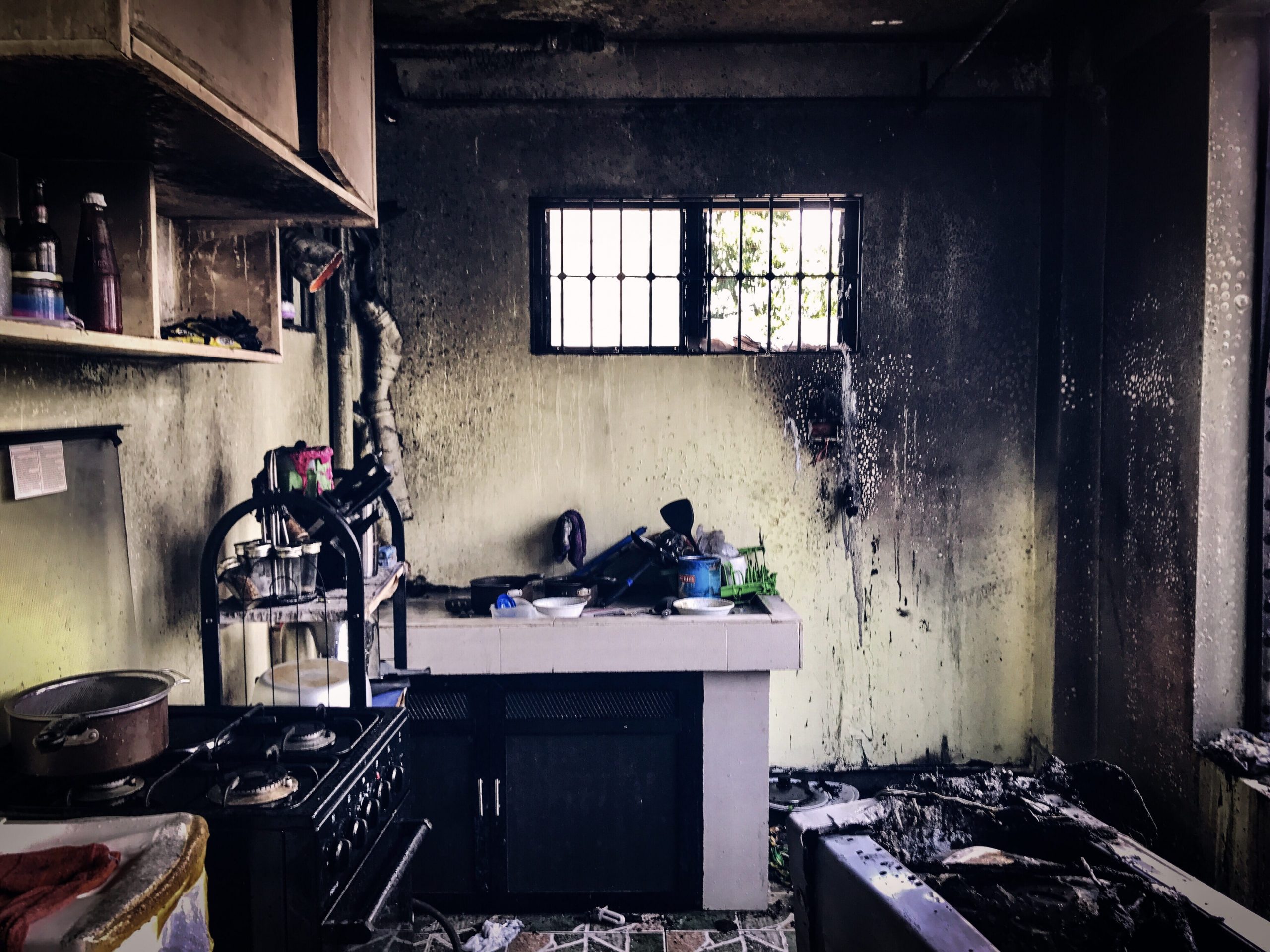


Residential fire damage is most commonly caused by kitchen fires, making the kitchen the leading source of home fire incidents across the United States. While many homeowners worry about electrical malfunctions, hurricanes, and plumbing disasters, cooking-related fires continue to account for a significant portion of residential fire losses every year.
The good news is that most kitchen fires are preventable. Understanding the causes, recognizing the warning signs, and knowing what to do after a fire can help protect your family, your property, and your finances. For Coral Gables homeowners, where many homes feature modern kitchens, luxury finishes, and open-concept layouts, fire prevention should be a priority.
In this guide, you’ll learn why kitchen fires remain the leading cause of home fire damage, how to prevent them, and what steps to take if your property experiences fire and smoke damage.
Why Kitchen Fires Lead to Most Residential Fire Damage
Cooking activities create a unique combination of heat sources, flammable materials, and human interaction. Unlike many other household fire risks that remain hidden until a problem develops, cooking requires constant supervision.
A fire can start in seconds when food is left unattended or cooking oil overheats. Once flames ignite, cabinets, curtains, paper products, and nearby furnishings can quickly fuel the fire.
Kitchens are often located near living spaces, allowing smoke and soot to spread throughout the home. Even when flames are contained to one area, the resulting smoke damage can impact multiple rooms and belongings.
The Most Common Causes of Kitchen Fires
1. Unattended Cooking
Unattended cooking is the leading cause of kitchen fires. Many homeowners step away to answer a phone call, help a family member, or complete another task, only to return to a dangerous situation.
Food left on the stove can overheat, oils can ignite, and small flames can quickly spread to surrounding materials.
2. Grease Fires
Grease fires are among the most dangerous types of cooking fires. Cooking oils can reach extremely high temperatures and ignite without warning.
One of the biggest mistakes people make is attempting to extinguish a grease fire with water. Water causes burning grease to splatter violently, spreading flames and increasing damage.
3. Faulty Appliances
Kitchen appliances endure frequent use and wear over time. Ovens, microwaves, toasters, dishwashers, and air fryers can develop electrical issues that increase fire risks.
Regular inspections and maintenance can help identify problems before they become serious hazards.
4. Flammable Items Near Heat Sources
Paper towels, dish towels, food packaging, wooden utensils, and decorative items placed near burners can easily catch fire.
Keeping cooking areas free from clutter significantly reduces risks.
5. Electrical Problems
Damaged wiring, overloaded outlets, and faulty electrical connections can contribute to kitchen fires. Older homes in Coral Gables may be particularly vulnerable if electrical systems have not been updated.
Why Kitchen Fires Cause Extensive Damage
The flames themselves are only part of the problem. Fire-related losses often involve multiple forms of damage that require professional restoration.
1. Smoke Damage
Smoke can travel far beyond the kitchen. It penetrates walls, ceilings, furniture, carpets, and HVAC systems, leaving behind odors and residues that are difficult to remove without professional equipment.
2. Soot Contamination
Soot is highly acidic and can damage surfaces within hours. Cabinets, countertops, appliances, electronics, and personal belongings can all be affected.
3. Water Damage
Fire suppression efforts often introduce significant amounts of water into the property. As a result, many homeowners face both fire damage restoration and water damage cleanup needs simultaneously.
4. Structural Damage
Intense heat can weaken structural components, including framing, drywall, flooring, and cabinetry. Even a relatively small kitchen fire can require extensive repairs.
Residential Fire Damage Risks Specific to Coral Gables Homes
Coral Gables is known for its beautiful homes, historic properties, and upscale neighborhoods. While these features add charm and value, they can also present restoration challenges after a fire.
Older homes may contain aging electrical systems, custom woodwork, and original architectural features that require specialized restoration techniques.
South Florida’s humid climate also creates unique concerns. Moisture from firefighting efforts can contribute to mold growth if drying and restoration do not begin quickly.
Warning Signs That Should Never Be Ignored
Many residential fire damage are preceded by warning signs.
Homeowners should watch for:
- Burning odors
- Flickering lights
- Frequently tripped breakers
- Sparking outlets
- Damaged appliance cords
- Excessive grease accumulation
- Appliances that overheat unexpectedly
Addressing these issues early can help prevent significant property damage.
Kitchen Fire Prevention Tips
Preventing a fire is always easier and less expensive than restoring a home afterward.
- Stay in the kitchen whenever cooking on the stovetop.
- Keep a metal lid nearby to smother small grease fires.
- Clean grease buildup from stovetops, ovens, backsplashes, and range hoods regularly.
- Install smoke detectors throughout the home and test them monthly.
- Keep a properly rated fire extinguisher within easy reach.
- Schedule routine maintenance for kitchen appliances.
- Avoid overloading electrical outlets and replace damaged cords promptly.
What to Do Immediately After a Kitchen Fire
Once everyone is safe and emergency responders have addressed the fire, homeowners should focus on recovery.
- Do not re-enter the property until it has been declared safe.
- Document damage with photographs and videos for insurance purposes.
- Avoid touching soot-covered surfaces because improper cleaning can cause additional damage.
- Contact your insurance company as soon as possible.
- Most importantly, contact a professional residential fire damage restoration company to begin mitigation efforts quickly.
The Residential Fire Damage Restoration Process
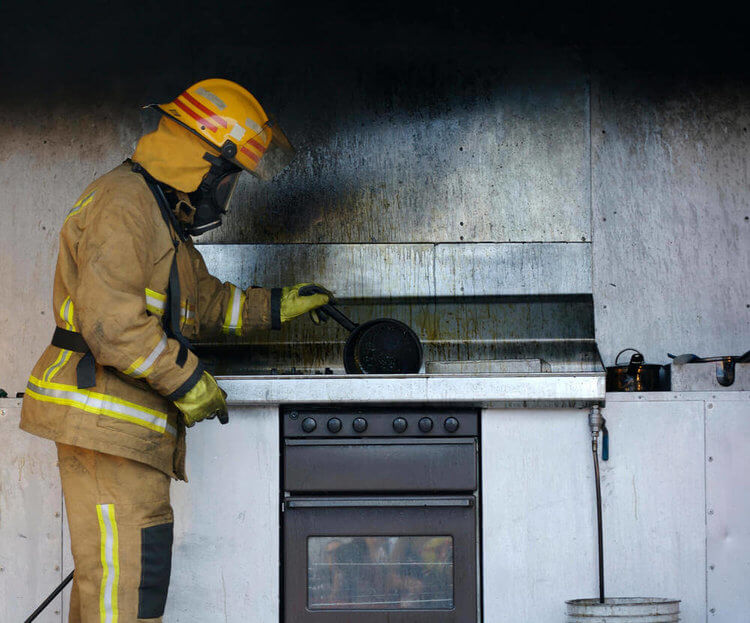
Professional residential fire damage restoration involves much more than cleaning visible fire damage.
The process often includes emergency board-up services, water extraction, structural drying, smoke damage cleanup, soot removal, deodorization, repairs, and full restoration.
Specialized equipment such as air scrubbers, HEPA filtration systems, thermal foggers, and moisture detection tools helps ensure a thorough recovery.
Prompt restoration not only protects your property but also helps reduce repair costs and prevent secondary damage.
Why Professional Fire Damage Restoration Matters
Many homeowners underestimate how far smoke and soot can travel.
Even rooms untouched by flames may require professional cleaning and deodorization. Smoke residues can continue causing damage long after the fire has been extinguished.
Professional restoration teams have the expertise, equipment, and training necessary to safely restore affected areas and return homes to pre-loss condition.
Frequently Asked Questions about Residential Fire Damage
What is the leading cause of residential fire damage?
Unattended cooking is the leading cause of residential fire damage, particularly in kitchens where high heat, grease, and open flames are present.
Can smoke damage affect rooms that didn’t burn?
Yes. Smoke can travel throughout your home, affecting furniture, walls, HVAC systems, clothing, and electronics, even in rooms untouched by flames.
Why shouldn’t I clean soot myself?
Soot contains acidic particles that can permanently stain surfaces if cleaned improperly. Professional restoration companies use specialized equipment and cleaning agents to safely remove soot.
How soon should fire damage restoration begin?
Restoration should begin as soon as the property is declared safe. Immediate action helps reduce smoke damage, water damage, mold growth, and overall repair costs.
Does homeowners insurance cover residential fire damage?
Most homeowners insurance policies cover fire damage, smoke damage, and related restoration costs. Coverage varies, so review your policy and contact your insurance provider promptly after a fire.
How long does residential fire damage restoration take?
The timeline depends on the severity of the loss. Minor incidents may take several days, while major restoration projects can take weeks.
Trust PuroClean of Coral Gables for Residential Fire Damage Cleanup
When a kitchen fire occurs, the damage often extends far beyond what is immediately visible. Smoke, soot, water, and structural damage can all affect your property and require professional attention.
PuroClean of Coral Gables provides fast, reliable Residential fire damage cleanup and restoration services throughout Coral Gables and surrounding communities. Our trained technicians use advanced restoration equipment and proven techniques to remove smoke odors, clean soot residues, mitigate water damage, and restore your property as quickly as possible.
We are available 24 hours a day, 7 days a week because emergencies don’t wait for business hours.
Call PuroClean of Coral Gables at (305) 894-4343 for immediate fire damage restoration assistance.
Final Summary
Residential fire damage is most often caused by kitchen fires, making cooking safety one of the most important aspects of protecting your home. Unattended cooking, grease fires, faulty appliances, and electrical issues continue to be the leading causes of fire losses. By understanding the risks, following prevention strategies, and acting quickly after a fire, Coral Gables homeowners can protect their families and properties. When fire damage occurs, professional restoration services provide the fastest path to recovery and peace of mind.