

Restaurant water damage can turn an ordinary business day into an emergency within minutes. A burst pipe, overflowing drain, leaking roof, failed water heater, broken appliance line, or heavy South Florida rain can leave a restaurant dealing with standing water, damaged equipment, contaminated surfaces, and an unexpected closure.
If your restaurant in Coral Gables or the surrounding Miami area experiences restaurant water damage, the most important thing is to act quickly. Stop the source if it is safe to do so, keep employees and customers away from affected areas, protect food and equipment from further exposure, document what happened, and contact a professional restoration company.
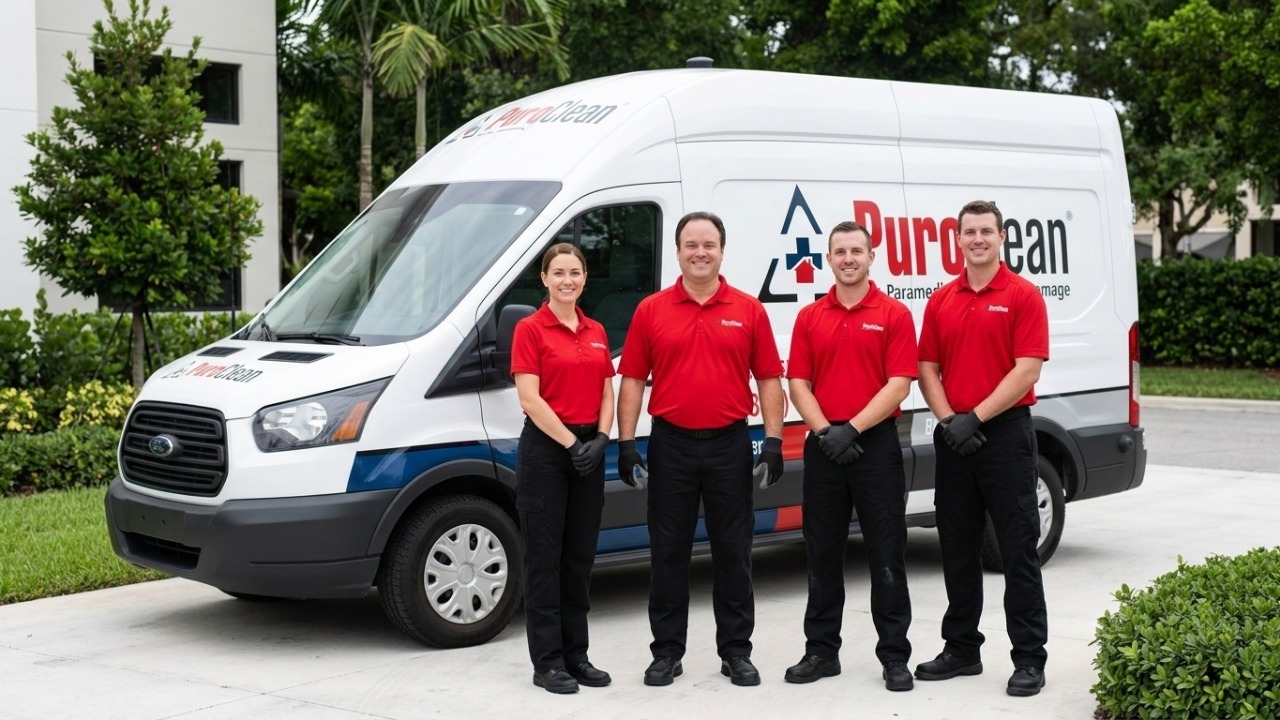
PuroClean of Coral Gables provides 24/7 emergency water damage cleanup for restaurants and commercial properties. Call (305) 894-4343 for immediate assistance.
What should a restaurant do after water damage?
The short answer is: protect people, stop the water source, isolate affected areas, protect food and inventory, document the damage, and arrange professional restoration as quickly as possible.
Restaurant water damage is more complicated than a typical water leak because a restaurant has to consider more than the building itself. Food, food preparation surfaces, refrigeration equipment, electrical systems, flooring, walls, ceilings, storage areas, and employee and customer safety can all be affected.
Florida’s Department of Agriculture and Consumer Services advises businesses and consumers to discard food that has been damaged or moistened by flood water and to clean and sanitize potentially contaminated food contact surfaces.
That is why restaurant water damage should never be treated as something that can simply be mopped up and forgotten.
7 Crucial Steps After Restaurant Water Damage
1. Stop the water source if it is safe
The first step in restaurant water damage cleanup is to stop additional water from entering the property.
If a supply line has burst, shut off the appropriate water supply if you can safely access it. If the problem is coming from a leaking appliance, plumbing fixture, or similar source, stop using the equipment until it has been assessed.
However, do not put yourself or your employees at risk to reach a valve. If water is near electrical equipment, outlets, appliances, or electrical panels, stay away from the area and contact the appropriate professionals.
Stopping the source does not mean the restaurant water damage problem is solved. Water can remain trapped beneath flooring, inside walls, under cabinets, behind equipment, and in other concealed areas.
2. Keep people away from affected areas
Restaurant water damage can create several immediate hazards.
Wet floors can cause slips and falls. Water can also reach electrical systems, damage ceilings, weaken certain materials, and create conditions that are unsafe for employees or customers.
If the affected area includes the kitchen, food preparation area, storage room, dining area, bathroom, or another essential part of the restaurant, consider stopping operations in that area until the situation has been assessed.
Florida’s Division of Hotels and Restaurants maintains records of emergency closures, including closures associated with conditions such as sewage backups, inadequate utilities, and other circumstances affecting restaurant safety.
When restaurant water damage creates potentially unsafe conditions, getting professional guidance quickly can help prevent a small problem from becoming a longer shutdown.
3. Protect food, inventory, and equipment
One of the biggest differences between residential and commercial water damage is what is inside the building.
A restaurant may have thousands of dollars in food, beverages, cooking equipment, refrigeration systems, furniture, supplies, packaging, and inventory.
If food comes into contact with flood water or potentially contaminated water, do not assume that it can simply be washed and used. Florida’s agriculture department recommends discarding food that has been damaged or moistened by flood water.
Move unaffected inventory away from the damaged area where possible.
Food preparation equipment and food contact surfaces also need special attention. The CDC’s guidance for reopening food service areas after water and wind damage emphasizes evaluating affected food preparation equipment, cleaning and sanitizing food contact surfaces, and following applicable state and local requirements.
This is another reason restaurant water damage requires more than ordinary cleanup.
4. Document the restaurant water damage
Before major cleanup begins, take photographs and videos of the affected areas if it is safe to do so.
Document:
- Where the water originated
- The affected floors, walls, and ceilings
- Damaged equipment
- Affected food and inventory
- Furniture and fixtures
- Visible standing water
- Damaged storage areas
- Any visible sewage or contaminated water
- The approximate time the damage was discovered
Keep receipts and records for emergency expenses as well.
Good documentation can be valuable when communicating with your insurance company, property manager, landlord, or other parties involved in the loss.
Do not wait until after the restaurant water damage cleanup is complete to start documenting the situation. Conditions can change quickly once water extraction and demolition begin.
5. Remove standing water quickly
Standing water should not be left sitting in a commercial kitchen or restaurant.
Water can migrate into flooring, walls, cabinets, insulation, baseboards, and other materials. What looks like a small puddle on the surface may represent much more moisture underneath.
The EPA recommends drying wet or damp materials within 24 to 48 hours when possible to help prevent mold growth.
This is especially important in Coral Gables and throughout South Florida, where warm temperatures and high humidity can make moisture control more challenging.
Professional restaurant water damage restoration typically involves more than removing visible water. Technicians may use commercial extraction equipment, air movers, dehumidifiers, moisture meters, and other tools to identify and address moisture that cannot be seen.
6. Look for hidden moisture
One of the most overlooked parts of restaurant water damage is moisture that is no longer visible.
Imagine a pipe leaking underneath a commercial sink. The visible water may be cleaned up quickly, but moisture could have traveled beneath cabinets or into a wall.
The same thing can happen after restaurant flood damage. Water may move underneath flooring, behind walls, beneath refrigerators, around plumbing penetrations, or into storage areas.
That hidden moisture can become a much bigger problem later.
The EPA explains that controlling moisture is central to preventing indoor mold growth and recommends addressing water problems promptly and drying affected materials as quickly as possible.
Professional commercial water damage restoration can help identify areas that need additional drying instead of relying only on what looks dry.

7. Do not reopen simply because the floor looks dry
This is one of the most important points for restaurant owners.
A restaurant can look clean while still having unresolved restaurant water damage.
There may be moisture behind walls. Flooring may still be damp underneath. Equipment may need inspection. Food may have been exposed to contaminated water. Odors may remain. Damaged materials may need to be removed or replaced.
Reopening is not simply a matter of making the floor look presentable.
The restaurant needs to address the source of the water, affected materials, moisture levels, sanitation, equipment, and applicable food safety requirements.
For a restaurant in Coral Gables, working with professionals who understand commercial restoration and the unique challenges of South Florida can help make the recovery process more organized.
Common Causes of Restaurant Water Damage
Restaurant water damage does not always come from a dramatic flood.
Some of the most common sources include:
Plumbing failures: Supply lines, pipes, valves, faucets, and connections can fail without warning.
Appliance leaks: Dishwashers, ice machines, refrigerators, water heaters, and other equipment can develop leaks.
Clogged drains: Kitchen drains and grease-related blockages can cause water to back up into areas where it should not be.
Roof leaks: Heavy rain can expose roof problems and allow water into kitchens, dining areas, storage rooms, and ceilings.
Sewer backups: A sewage backup creates a particularly serious cleanup situation because the water may contain contaminants.
Sprinkler activation: Fire suppression systems can release substantial amounts of water when activated.
Storm-related flooding: South Florida restaurants can face significant rainfall and storm conditions that increase the risk of water intrusion.
Identifying the cause is an important part of restaurant water damage restoration because removing the water without addressing the source can leave the business vulnerable to another loss.
Why Restaurant Water Damage Is More Serious in South Florida
Coral Gables restaurants operate in an environment where moisture management matters year-round.
Warm temperatures, humidity, heavy rainfall, tropical weather, and air conditioning systems can all contribute to moisture-related problems.
After restaurant water damage, the goal should therefore be more than making the property look clean.
The affected area needs to be properly dried and evaluated.
The EPA notes that uncontrolled indoor moisture can support biological growth and recommends drying wet materials as soon as possible, ideally within 24 to 48 hours.
For a restaurant, delaying restaurant water damage cleanup can mean more than repairing a floor or replacing drywall. It can create additional disruption to operations and increase the amount of work required to reopen.
Restaurant Water Damage Restoration: What the Process May Include
Professional restaurant water damage restoration generally starts with an assessment.
The restoration team determines where the water came from, how far it traveled, what materials were affected, and whether there are safety concerns.
Depending on the situation, the process may include:
- Documentation of restoration work
- Inspection and moisture assessment
- Water extraction
- Removal of severely damaged materials
- Commercial structural drying
- Dehumidification
- Cleaning and sanitation
- Moisture monitoring
- Mold assessment when appropriate
- Repairs or reconstruction where required
The exact process depends on the type and extent of restaurant water damage.
Clean water from a broken supply line is different from water associated with a sewage backup or flooding. The source and condition of the water help determine the appropriate response.
How to Reduce the Risk of Restaurant Water Damage
You cannot prevent every emergency, but regular maintenance can reduce the chances of a major loss.
Restaurant owners and managers can:
- Inspect plumbing connections regularly
- Check under sinks and behind equipment for leaks
- Maintain drains and grease traps
- Inspect ice machine and dishwasher connections
- Check water heaters
- Maintain HVAC systems and condensate lines
- Inspect roofs before and during storm season
- Keep valuable inventory elevated where practical
- Know where the main water shutoff is located
- Have an emergency response plan
- Keep restoration and insurance contacts readily available
A few minutes of routine inspection can reveal a small leak before it becomes significant commercial water damage.
FAQs About Restaurant Water Damage
How quickly should a restaurant respond to water damage?
Immediately. The faster restaurant water damage is addressed, the greater the opportunity to limit secondary damage. The EPA recommends drying wet or damp materials within 24 to 48 hours when possible to help prevent mold growth.
Can a restaurant stay open during water damage?
It depends on the location and severity of the damage. If water has affected food preparation areas, electrical systems, refrigeration, customer areas, or other critical parts of the property, operations may need to stop until the conditions are addressed and applicable requirements are satisfied.
Can I clean up restaurant water damage myself?
Minor clean water incidents may sometimes be handled internally, but significant restaurant water damage can involve hidden moisture, contaminated water, damaged building materials, and equipment that requires specialized attention. Professional assessment is particularly important when the source of water is uncertain or contamination is involved.
Can restaurant water damage cause mold?
Yes. Mold requires moisture to grow, which is why rapid drying is important. The EPA recommends drying water-damaged areas and materials within 24 to 48 hours when possible.
What should I do with food affected by restaurant water damage?
Food exposed to flood water or potentially contaminated water should not automatically be considered safe. Florida guidance recommends discarding food that has been damaged or moistened by flood water.
Does restaurant insurance cover water damage?
Coverage depends on the specific commercial insurance policy, the source of the loss, exclusions, and other circumstances. Restaurant owners should notify their insurance provider promptly and keep detailed documentation of the damage and restoration work.
How long does restaurant water damage restoration take?
There is no single timeline. A small localized leak may be resolved relatively quickly, while extensive restaurant water damage involving flooring, walls, equipment, contamination, or structural repairs can take considerably longer. Drying requirements and the extent of repairs are major factors.
Restaurant Water Damage Cleanup in Coral Gables
When restaurant water damage happens, every hour matters.
A flooded kitchen, leaking ceiling, sewage backup, or failed plumbing line can quickly affect your restaurant’s ability to prepare food, serve customers, protect inventory, and stay open.
That is why restaurant owners in Coral Gables, Miami, Coral Terrace, Doral, West Miami, South Miami, Westchester, and surrounding communities should have a response plan before an emergency happens.
PuroClean of Coral Gables provides 24/7 emergency water damage cleanup and restoration for commercial properties. Our team can respond to water emergencies, assess the affected property, remove standing water, address moisture, and help move the restoration process forward.
When you are dealing with restaurant water damage, you do not want to spend hours wondering what to do next.
Call PuroClean of Coral Gables at (305) 894-4343.
The Bottom Line
Restaurant water damage is not simply a cleanup problem. It can affect your building, food, equipment, employees, customers, insurance claim, and ability to operate.
The best response is to act quickly: stop the water source if it is safe, keep people away from dangerous areas, protect unaffected food and inventory, document the damage, begin professional water removal and drying, and address any sanitation or reopening requirements before resuming operations.
For restaurants in Coral Gables and the greater Miami area, fast professional help can make the recovery process easier and help limit the disruption.
If restaurant water damage has affected your business, call PuroClean of Coral Gables at (305) 894-4343 for 24/7 emergency assistance.