

Table of Contents
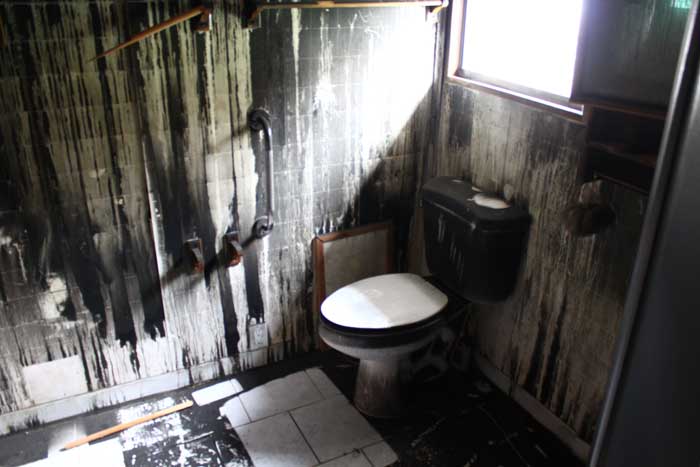
A fire damaged bathroom is more than just burned tiles or smoke-stained walls. Fires, smoke, and water from extinguishing efforts can affect hidden structures, plumbing, air quality, and finishes. Proper restoration involves safety assessment, debris removal, water mitigation, smoke and soot cleanup, deodorization, and reconstruction. Professional restoration prevents further damage, protects your home’s value, and makes insurance claims easier.
What Is a Fire Damaged Bathroom?
A fire damaged bathroom is a unique challenge because it combines fire, smoke, and water damage in a small, enclosed space. Bathrooms include multiple surfaces—tile, grout, drywall, cabinetry, and plumbing—all of which respond differently to heat and smoke. While charred walls or fixtures are obvious, hidden problems often include smoke particles in grout or behind tiles, water saturation from fire suppression, and compromised plumbing. These hidden hazards make professional restoration essential for safety and long-term results.
Step 1: Safety First, Never Rush In
The first priority is safety. Entering a fire damaged bathroom too soon can be extremely dangerous due to:
- Weak or damaged structures
- Energized electrical wiring
- Gas leaks
- Toxic soot particles in the air
Never attempt cleanup or repairs before your home is inspected and cleared for safety. Use protective gear if you must briefly access the area, and keep family and pets away until restoration begins.
Step 2: Document Everything for Insurance
Before beginning restoration, thoroughly document the damage. This includes:
- Wide-angle and close-up photos of burned or smoke-damaged areas
- Notes on damaged fixtures, cabinetry, tiles, and plumbing
- Records of personal items affected
Comprehensive documentation supports insurance claims, helps restoration teams plan their work, and ensures that nothing is overlooked during repairs.
Step 3: Emergency Board-Up & Securing the Space
Even within a bathroom, damage to windows, vents, or doors can allow weather or pests to worsen the situation. Securing the area early protects remaining structures and reduces the risk of further damage.
Step 4: Assess Hidden Damage Carefully
A fire damaged bathroom often has damage beyond what you see. Professional restoration teams check for:
- Smoke residues under tiles and behind walls
- Water damage behind cabinets and under flooring
- Damaged plumbing, vents, and electrical outlets
Identifying hidden issues ensures a complete restoration plan, prevents future problems, and protects your home’s structural integrity.
Step 5: Water Extraction & Drying
Even small bathroom fires can leave significant water damage from hoses or sprinklers. Standing water and damp drywall create the perfect environment for mold growth. Restoration experts use industrial pumps, air movers, and dehumidifiers to thoroughly dry affected areas. Proper drying prevents additional structural damage and health risks.
Step 6: Smoke, Soot, and Odor Removal
Smoke and soot are corrosive and can continue to damage surfaces if not treated properly. Professionals use specialized cleaning techniques to:
- Remove soot from tiles, grout, and fixtures
- Clean or replace affected drywall
- Eliminate odors at the source, not just mask them
Attempting to clean soot yourself can push it deeper into surfaces, making permanent stains or lingering odors harder to remove.
Step 7: Deep Cleaning and Sanitization
After smoke and soot are removed, a fire damaged bathroom requires deep cleaning and sanitization. Porcelain fixtures, tile, and cabinetry are treated with professional-grade cleaners to remove residues without causing additional damage. This ensures the bathroom is not only visually restored but safe for daily use.
Step 8: Restore or Replace Damaged Materials
Depending on the severity of the fire, materials may need repair or replacement:
- Replace burned or crumbling drywall
- Regrout or replace tiles as needed
- Refinish or replace cabinetry and fixtures
Professional restoration ensures repairs maintain the structural integrity, functionality, and appearance of your bathroom.
Step 9: Final Touches & Air Quality Testing
Before the project is complete, restoration experts often perform:
- Indoor air quality testing to ensure smoke particles are removed
- HVAC cleaning if vents were affected
- Final odor neutralization and sealing
These steps make certain the bathroom is safe, clean, and ready for everyday use.
Common Mistakes to Avoid
- Trying to clean soot yourself: Household cleaning products often smear or spread soot, making it harder to remove.
- Running HVAC systems before cleanup: This can pull soot through ducts and spread contaminants throughout your home.
- Ignoring water damage after fire suppression: Even minor moisture left behind can lead to mold and long-term structural damage.
FAQs About Fire Damaged Bathrooms
Q1. How soon should restoration begin?
A: Restoration should start as soon as the area is deemed safe. Prompt action reduces further damage and prevents mold growth.
Q2. Can smoke odors be completely removed?
A: Yes, professional restoration targets the source of smoke odors using specialized deodorization techniques.
Q3. Will my insurance cover bathroom fire restoration?
A: Many policies cover restoration, but requirements vary. Proper documentation and working with certified professionals improve approval chances.
Q4. Can fixtures like toilets and vanities be saved?
A: Depending on heat exposure and smoke residue, many fixtures can be restored or refinished by experts.
Final Summary
Restoring a fire damaged bathroom involves much more than cleaning burned surfaces. Proper restoration requires safety measures, damage documentation, water removal, smoke and soot cleanup, deep cleaning, repairs or replacement of materials, and final testing to ensure a safe, functional space. Professional restoration protects your home’s value, your family’s health, and long-term structural integrity.
Why Choose PuroClean of Coral Gables for Your Fire Damaged Bathroom
At PuroClean of Coral Gables, we specialize in complete fire damage restoration, including bathrooms. Our certified team provides:
- Rapid 24/7 response to minimize secondary damage
- Advanced smoke, soot, and odor removal techniques
- Assistance with insurance documentation
- Efficient and thorough restoration that brings your bathroom back to life
Don’t let fire damage linger. Call PuroClean of Coral Gables today to restore your bathroom safely, efficiently, and expertly.