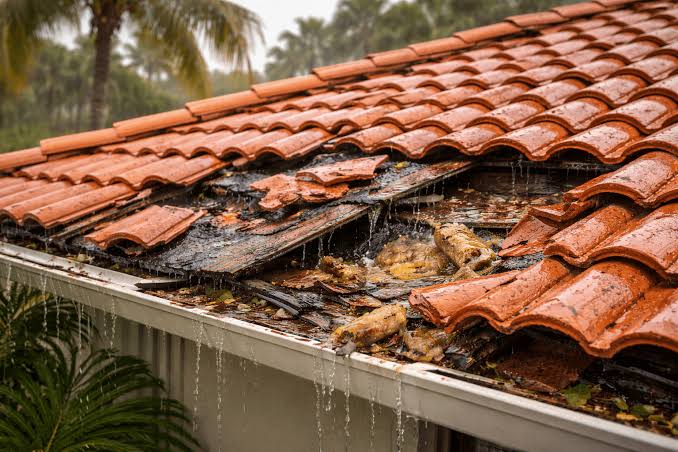
Roof storm damage can leave a Coral Gables home looking fine from the outside while water is already making its way through the roof, ceiling, walls, and insulation. If you’ve just experienced a severe storm, hurricane, heavy rain, or strong winds, the most important thing is to act quickly and safely.
PuroClean of Coral Gables helps homeowners and businesses respond to water damage and other property damage emergencies 24/7. If roof storm damage has allowed water into your property, call (305) 894-4343 for professional restoration assistance.
The short answer is this: after roof storm damage, protect people first, document the damage, prevent additional water intrusion if it is safe to do so, contact your insurance company, and have the affected areas professionally assessed and dried. The sooner moisture is addressed, the better your chances of limiting secondary damage.

What Does Roof Storm Damage Restoration Involve?
Roof storm damage restoration is about more than fixing a few damaged shingles.
A storm can damage roofing materials, flashing, vents, gutters, soffits, and other parts of the roof system. Once water finds an opening, it can travel into the attic and then move into ceilings, walls, flooring, and personal belongings.
That means a storm damaged roof can quickly become an indoor water damage problem.
Restoration focuses on identifying the areas affected by water, removing standing water where necessary, drying wet materials, addressing moisture that may be hidden from view, and restoring the affected property.
The roofing repair itself may require a qualified roofing contractor. However, when roof storm damage causes water to enter your home, a professional property restoration company can help address the resulting interior damage.
7 Essential Steps After Roof Storm Damage
1. Put Safety First
After severe weather, don’t immediately climb onto the roof to inspect the damage.
A roof can be unstable after high winds, fallen trees, or structural damage. There may also be electrical hazards from damaged wiring or downed power lines.
Instead, inspect your property from a safe location.
Look for:
- Missing or damaged roofing materials
- Fallen trees or branches
- Water stains on ceilings
- Dripping water
- Sagging ceilings
- Wet walls
- Damaged windows or doors
- Standing water inside the property
If you notice serious structural concerns, stay away from the affected area and contact the appropriate professionals.
2. Look for Signs of Hidden Roof Storm Damage
Not every case of roof storm damage is obvious.
You may not see a large hole in your roof. Instead, you might notice a small ceiling stain, bubbling paint, damp drywall, or a musty smell.
Water can travel from the original entry point and appear somewhere else inside the home. This is why the location of an interior water stain does not necessarily tell you where the roof is damaged.
Check your attic, if it is safe to enter, for signs such as:
- Wet insulation
- Damp wood
- Water stains
- Dripping water
- Mold growth
- Musty odors
- Visible daylight through the roof
A professional inspection can help identify moisture that isn’t immediately visible.
3. Document the Damage
Before cleaning up or making permanent repairs, take photos and videos of the damage when it is safe to do so.
Document the roof, ceilings, walls, flooring, furniture, and other affected property.
Florida’s Department of Financial Services recommends taking photos of damage before making temporary repairs, when possible, and keeping documentation and receipts.
Good documentation can help you keep a clear record of what happened and what was affected.
4. Prevent Further Water Damage
Once roof storm damage has created an opening, additional rain can make the situation worse.
If water is entering your home, move furniture, electronics, documents, and other valuables away from the affected area when it is safe.
Place containers under active leaks and take reasonable steps to protect your belongings.
Don’t attempt dangerous roof repairs yourself.
Florida’s Department of Financial Services advises property owners to take necessary steps to prevent additional damage, including temporary measures such as covering a damaged roof or removing standing water.
5. Contact Your Insurance Company
After documenting the damage, contact your insurance company as soon as possible.
Your policy determines what is covered, and coverage can vary depending on the cause of the damage and the terms of your policy.
Florida’s Department of Financial Services recommends reporting storm damage promptly and keeping records of repairs and related expenses.
If you have questions about your coverage or deductible, speak directly with your insurance company or agent.
Remember that restoration and insurance are two separate parts of the recovery process. You don’t have to wait for the entire insurance process to be completed before taking reasonable steps to prevent additional property damage.
6. Address the Water Damage Quickly
This is where roof storm damage restoration becomes particularly important.
If rain has entered through your roof, moisture may be present in places you cannot see.
Water can affect:
- Drywall
- Ceilings
- Insulation
- Flooring
- Wood framing
- Carpets
- Cabinets
- Furniture
- Personal belongings
The longer wet materials remain damp, the greater the potential for additional damage.
The EPA notes that mold can begin growing when mold spores land on wet surfaces and recommends drying water-damaged areas and items within 24 to 48 hours to help prevent mold growth.
This is especially important in Coral Gables and the wider Miami area, where warm, humid conditions can make moisture problems more challenging.
7. Get Professional Restoration Help
A Roof Storm Damage situation can become complicated quickly.
You may have roof damage outside, water damage inside, damaged belongings, and moisture hidden behind walls or beneath flooring.
Professional restoration helps bring these problems together into a structured recovery process.
PuroClean of Coral Gables can respond to property damage emergencies and help address the water damage resulting from a storm damaged roof.
Common Types of Roof Storm Damage in Coral Gables
Coral Gables properties can experience different forms of storm damage depending on the severity and duration of the weather event.
Wind Damage
Strong winds can loosen or damage roofing materials and create openings where rain can enter.
Heavy Rain
Even when wind damage isn’t obvious, prolonged or heavy rainfall can expose weaknesses in an aging or compromised roof.
Fallen Trees and Branches
Large branches can puncture roofing materials or cause more extensive structural damage.
Damaged Flashing and Roof Features
Flashing, vents, skylights, and other roof components can become damaged during severe weather, creating potential entry points for water.
Gutter and Drainage Problems
Storm debris can interfere with drainage and cause water to accumulate where it shouldn’t.
These problems can turn Roof Storm Damage into interior water damage if they aren’t addressed promptly.
Why Roof Storm Damage Can Become Water Damage
One of the biggest mistakes homeowners make after a storm is focusing only on the roof.
You may look up and see a few missing shingles and assume the damage is minor.
But the real problem may be underneath.
Once water enters through Roof Storm Damage, it can travel through roofing materials and insulation before reaching the ceiling. From there, moisture can spread into drywall, walls, flooring, and other materials.
You might not notice the full extent of the problem until days later.
That’s why professional Roof Storm Damage restoration should include attention to the interior of the property, not just the visible roof.
What About Mold After Roof Storm Damage?
Mold requires moisture to grow.
When Roof Storm Damage allows water into your home, wet materials can create an environment where mold may develop.
The EPA identifies moisture control as the key to controlling indoor mold and recommends fixing water problems and drying wet materials promptly.
Signs that you may have a moisture problem include:
- Musty odors
- Discoloration
- Damp drywall
- Peeling paint
- Warped flooring
- Persistent condensation
- Visible mold
If your property experienced significant water intrusion after a storm, don’t simply cover up stains with paint. Find and address the moisture source first.
Roof Storm Damage and Insurance in Florida
Insurance questions often come up immediately after Roof Storm Damage.
Will the roof be covered? What deductible applies? What about the water damage inside the house?
There isn’t one answer for every property because insurance policies and circumstances differ.
The Florida Department of Financial Services explains that homeowners policies can provide protection for covered perils such as hurricanes and other disasters, but homeowners should review their individual policy for specific coverage.
Florida homeowners may also have different deductibles depending on the type of loss. The state’s consumer guidance explains that hurricane, all-perils, and optional roof deductibles can apply differently depending on the circumstances and policy.
For that reason, don’t assume that every instance of Roof Storm Damage will be handled the same way.
Document the damage, report it promptly, keep receipts, and communicate directly with your insurance company.
Why Coral Gables Homeowners Should Take Roof Storm Damage Seriously
Coral Gables has a distinctive mix of residential properties, mature landscaping, older homes, newer construction, and properties surrounded by large trees.
Severe weather can affect any of them.
A fallen branch may damage a roof. Heavy rain may expose a weak area. Wind may loosen roofing materials. And once water gets inside, the problem can move from the roof to the living space.
That’s why Roof Storm Damage in Coral Gables shouldn’t be treated as simply an exterior repair issue.
The goal is to protect the property from additional damage and restore affected areas as quickly and safely as possible.
When Should You Call PuroClean of Coral Gables?
Call PuroClean of Coral Gables if Roof Storm Damage has resulted in water entering your home or business.
You should consider professional restoration if you notice:
- Water coming through the ceiling
- Wet drywall
- Standing water
- Water damaged flooring
- Wet insulation
- Musty odors
- Visible moisture
- Damage to furniture or belongings
- Signs of hidden water damage
PuroClean of Coral Gables provides professional property damage restoration services for homeowners and businesses throughout Coral Gables and surrounding Miami communities.
When storm damage happens, the priority is simple: stop the damage from getting worse, dry the affected areas, and begin restoring the property.
Frequently Asked Questions About Roof Storm Damage
How do I know if my roof has storm damage?
Look for missing or damaged roofing materials, fallen branches, visible openings, water stains, leaks, damaged flashing, and other signs of impact. Some Roof Storm Damage may not be visible from the ground, so a professional inspection may be necessary.
What should I do if my roof is leaking after a storm?
Stay away from unsafe areas, protect belongings if possible, document the damage, and contact your insurance company and appropriate professionals. Don’t climb onto a damaged roof yourself.
Can roof storm damage cause mold?
Yes. If Roof Storm Damage allows water to enter the property and wet materials remain damp, mold can develop. The EPA recommends drying water-damaged areas promptly and controlling the moisture source.
How quickly should roof storm damage be addressed?
As soon as possible. Prompt action can help reduce additional water damage and the risk of secondary problems.
Does PuroClean repair damaged roofs?
PuroClean specializes in property damage restoration. If Roof Storm Damage causes interior water damage, PuroClean of Coral Gables can help with the resulting restoration. Roof repairs themselves may require a qualified roofing contractor.
Does insurance cover roof storm damage?
Coverage depends on your policy, the cause of the damage, applicable exclusions, and deductibles. Florida’s Department of Financial Services recommends reviewing your policy and contacting your insurer after a loss.
What if I discover roof damage days after a storm?
You should still take action. Document what you find, contact your insurance company, and have the property assessed. Some Roof Storm Damage can be hidden and may only become obvious when water begins appearing indoors.
Get Roof Storm Damage Restoration in Coral Gables
Roof Storm Damage doesn’t always end when the storm passes. The real problem can begin when rainwater gets through the roof and starts affecting your ceilings, walls, flooring, insulation, and belongings.
If your Coral Gables home or business has suffered Roof Storm Damage, don’t wait for a small leak to become a major restoration project.
PuroClean of Coral Gables is available 24/7 to respond to property damage emergencies and help you take the next step toward recovery.
Need help with storm related water damage? Call PuroClean of Coral Gables at (305) 894-4343.
When Roof Storm Damage happens, fast action can make a difference. Protect your property, address the moisture, and start the restoration process as soon as possible.