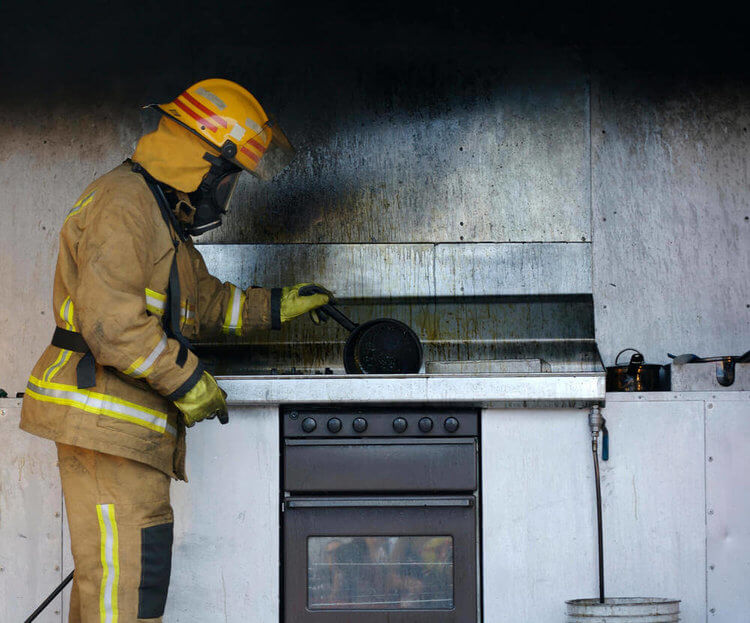


A small kitchen fire can be over in minutes, but the cleanup may last much longer. Even when flames are limited to a stovetop, oven, microwave, or pan, smoke, soot, grease residue and fire extinguisher residue can spread beyond the immediate area.
The short answer: After the fire is completely extinguished and the fire department has determined the property is safe to enter, document the damage, remove unsafe food and belongings, ventilate carefully, and avoid using damaged appliances. Light surface residue may be manageable with careful cleaning, but persistent smoke odor, widespread soot, damaged cabinets, electrical concerns or smoke that has spread into other rooms are signs that professional kitchen fire cleanup may be necessary.
If you’re in Coral Gables and dealing with fire or smoke damage, PuroClean of Coral Gables can help assess the damage, clean affected areas and begin the restoration process. Call (305) 894-4343 for assistance.
What Should You Do After a Small Kitchen Fire?
The first mistake homeowners make is thinking that once the flames disappear, the problem is over.
It isn’t.
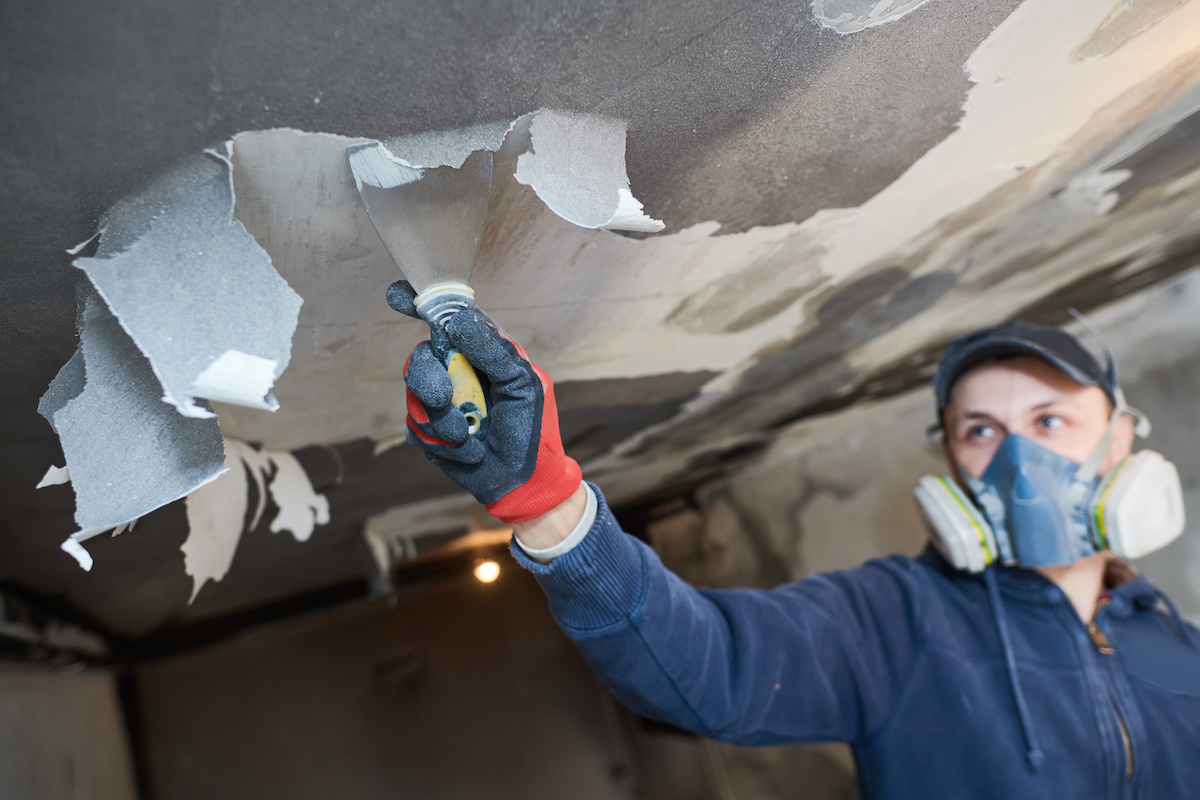
Smoke can travel quickly through a home, while soot can settle on cabinets, walls, ceilings, appliances, countertops and belongings. FEMA guidance notes that the level of smoke and soot damage should influence whether homeowners handle basic cleaning themselves or bring in a professional restoration contractor. Visible structural fire damage requires professional attention after the fire department has cleared the property.
Here’s what to do next.
1. Make Sure the Fire Is Completely Out
Safety comes before cleanup.
Do not begin wiping surfaces, moving appliances or entering an affected area simply because you can no longer see flames.
If there is still smoke, heat, a burning smell, visible damage inside walls or ceilings, or any doubt that the fire has been completely extinguished, leave the area and contact 911 or your local fire department.
The U.S. Fire Administration recommends leaving an oven closed if a fire occurs inside it and calling 911 if flames escape from the oven.
Wait until emergency personnel determine that it is safe to return.
2. Stay Away From Damaged Appliances
Your stove may look fine from the outside while electrical components, wiring or internal parts have been affected by heat or smoke.
The same applies to ovens, microwaves, refrigerators, range hoods and other kitchen appliances.
Don’t switch an affected appliance back on just to see whether it works.
If an appliance was directly exposed to flames, significant heat, water or fire extinguisher chemicals, have it inspected by a qualified professional before using it again.
This is particularly important in older Coral Gables homes where electrical systems, renovations and appliance installations can vary considerably from property to property.
3. Document the Damage Before Cleaning
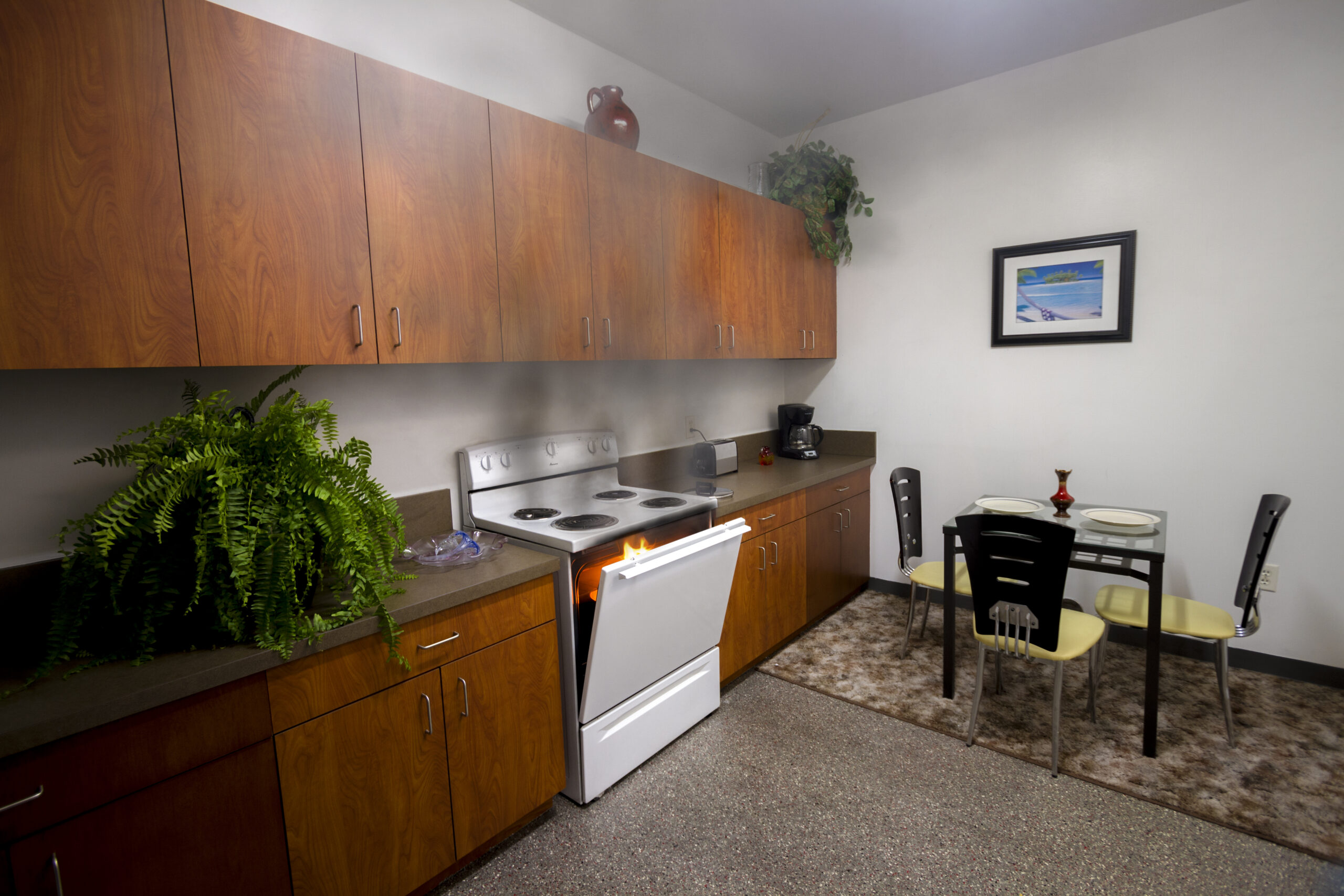
Before you start your kitchen fire cleanup, take photographs and videos.
Capture:
- Burned cabinets and countertops
- Soot on walls and ceilings
- Damaged appliances
- Smoke staining
- Fire extinguisher residue
- Damaged cookware and kitchen items
- Smoke damage in nearby rooms
- Damaged flooring
- Visible damage around vents and ductwork
Keep receipts and records for damaged belongings when possible.
If you plan to make an insurance claim, this documentation can help establish what happened and what was damaged before cleanup changes the scene.
Don’t throw away heavily damaged items until you’ve documented them and, where appropriate, discussed them with your insurance company.
4. Remove Food Exposed to Fire or Smoke
Food can become contaminated even when it doesn’t look burned.
Discard food that was exposed directly to flames, excessive heat, smoke or fire extinguisher chemicals. This includes food stored in open containers, cabinets near the fire and items exposed to significant smoke.
Don’t assume that sealed packaging automatically means food is safe. If you’re uncertain, follow guidance from your insurer, local health authorities or the product manufacturer.
Your kitchen may look usable after a contained fire, but food safety should be treated separately from cosmetic cleanup.
5. Ventilate the Area Carefully
Once the property has been cleared as safe, ventilation can help remove lingering smoke.
Open appropriate windows and doors when outdoor conditions allow.
However, don’t simply turn on every fan or your HVAC system without considering where the smoke has traveled. Smoke can move through ventilation systems and potentially spread residue to other parts of a home.
FEMA’s smoke-damage guidance recommends aerating and ventilating for light smoke conditions, while more significant soot, ash and odor can require deeper restoration.
If the smell is throughout the house rather than confined to the kitchen, that’s a good reason to have the property assessed.
6. Be Careful With Soot
Soot isn’t just dirt.
Kitchen fires can create greasy residue that sticks to surfaces and becomes difficult to remove if handled incorrectly. Recent restoration guidance consistently emphasizes that cooking fires can leave oily soot and persistent odors well beyond the point where the flames were located.
Avoid aggressively scrubbing walls, cabinets or painted surfaces.
You may spread the residue, damage finishes or push contaminants deeper into porous materials.
For light residue on suitable hard surfaces, follow the manufacturer’s cleaning instructions and use appropriate protective equipment. If soot covers large areas, has a greasy texture, or has affected walls, ceilings, cabinets, upholstery or other porous materials, professional soot removal is usually the safer approach.
7. Don’t Forget the Smoke Odor
One of the most frustrating parts of a kitchen fire is the smell.
You may clean the countertop and stove and still notice smoke odor days later.
That’s because smoke can settle into porous materials such as:
- Cabinets
- Drywall
- Upholstery
- Curtains
- Carpets
- Clothing
- Wood
- Insulation
- Other household contents
FEMA recommends deeper cleaning when simple cleaning doesn’t eliminate persistent smoke odor. It also recommends cleaning affected absorbent materials and avoiding products that merely mask the odor.
This is where professional smoke odor removal can make a significant difference. Instead of simply covering the smell with air fresheners, restoration professionals identify affected materials and use appropriate cleaning and deodorization techniques.
8. Watch for Fire Extinguisher Residue
If you used a fire extinguisher, you may have another cleanup problem in addition to smoke and soot.
Extinguishing agents can leave powder, foam or other residue depending on the type of extinguisher used.
Don’t automatically assume that a white or pale powder is soot.
Identify the extinguisher type and follow its cleanup instructions. If residue has spread over cabinets, appliances, countertops, floors or electrical equipment, professional cleaning may be appropriate.
Electrical components require particular caution because introducing moisture or cleaning products into damaged equipment can create additional problems.
9. Know When DIY Cleanup Isn’t Enough
Not every fire requires a restoration company.
If the incident was genuinely minor and there is only limited residue on a few unaffected hard surfaces, careful homeowner cleaning may be possible.
But professional help becomes more important when:
- Smoke odor remains after basic cleaning
- Soot has spread beyond the kitchen
- Cabinets or drywall are stained
- Appliances were exposed to heat or smoke
- Electrical components may be damaged
- Fire extinguisher residue covers a large area
- Smoke entered HVAC or ventilation areas
- Upholstery, carpets or curtains smell strongly of smoke
- There is visible structural damage
- You are unsure whether the property is safe
- You want comprehensive documentation for an insurance claim
FEMA’s guidance distinguishes light smoke conditions that may be addressed by homeowners from heavier soot, ash or visible fire damage where professional restoration is recommended.
Why a Small Fire Can Create a Bigger Cleanup
A fire doesn’t have to consume an entire kitchen to create extensive smoke damage.
Consider a grease fire that lasts only a few minutes.
The flames may remain around one pan, but smoke can rise toward the ceiling, move into nearby spaces and settle on surfaces throughout the home. If ventilation or HVAC systems are involved, smoke particles can travel even farther.
That’s why the visible burn area isn’t always the true extent of the damage.
Cooking is also a major source of residential fires. The U.S. Fire Administration identifies cooking as the leading cause of home fires and home fire injuries in the United States.
In a Small Kitchen Fire, the cleanup therefore needs to address more than the burned pan or blackened stovetop. The surrounding environment needs to be evaluated too.
How PuroClean of Coral Gables Can Help
After a fire, you shouldn’t have to figure everything out alone.
PuroClean of Coral Gables provides professional fire damage restoration and cleanup services for homeowners dealing with smoke, soot and property damage.
Our team can assess affected areas and help determine what needs cleaning, deodorization or further restoration.
Depending on the situation, the restoration process may involve:
- Smoke and soot assessment
- Kitchen fire cleanup
- Soot removal
- Smoke odor removal
- Cleaning of affected surfaces
- Contents cleaning
- Deodorization
- Assessment of affected areas beyond the kitchen
- Documentation of damage
- Coordination of restoration work
For homeowners in Coral Gables and surrounding Miami communities, getting professional help early can prevent a frustrating cleanup from becoming a larger restoration project.
If your kitchen has been affected by a fire, don’t wait for the smell to disappear on its own.
Call PuroClean of Coral Gables at (305) 894-4343.

Frequently Asked Questions About a Small Kitchen Fire
Can I clean my kitchen myself after a small fire?
Possibly, if the fire was completely extinguished, the property has been cleared as safe, and the damage is limited to light residue on appropriate hard surfaces. More extensive soot, persistent odors, damaged materials or electrical concerns should be evaluated by professionals.
How do I remove smoke smell after a kitchen fire?
Start with proper ventilation when it is safe to do so and clean affected surfaces and washable contents. If the odor continues, the smoke may have penetrated porous materials or traveled beyond the kitchen. Professional deodorization may then be necessary.
Should I clean soot with water?
Not necessarily. Greasy soot can smear when it is immediately wiped with a wet cloth, potentially making the damage harder to clean. The appropriate method depends on the type of residue and the surface affected.
Can I use my stove after a kitchen fire?
Don’t use a stove, oven or other appliance that was exposed to fire, excessive heat, smoke or extinguishing agents until it has been appropriately inspected and determined to be safe.
Does a small kitchen fire cause smoke damage?
Yes. Even a contained cooking fire can produce smoke and soot that settle beyond the immediate area. The extent depends on the fire, what materials burned, ventilation and how long the fire lasted.
Should I contact my insurance company after a minor kitchen fire?
If there is property damage, it’s generally sensible to contact your insurance company promptly and understand your policy requirements. Document the damage before extensive cleanup whenever possible.
When should I call a fire damage restoration company?
Call a professional when smoke or soot has spread beyond the immediate area, odors persist, materials are damaged, appliances or electrical systems may be affected, or you’re unsure how to safely clean the property.
Final Takeaway: Don’t Underestimate a Small Kitchen Fire
A small kitchen fire may leave only a blackened pan or a damaged stovetop, but the cleanup can involve much more than what you can see.
The safest approach is to make sure the fire is completely out, wait for the property to be cleared, document the damage, avoid damaged appliances, handle soot carefully and address smoke odor rather than simply masking it.
If the damage extends beyond a few easily cleaned surfaces, professional restoration can help you deal with the smoke, soot, odor and affected contents properly.
For homeowners in Coral Gables, Miami and nearby communities, PuroClean of Coral Gables is ready to help you move from fire damage toward a clean and restored property.
Need kitchen fire cleanup? Call PuroClean of Coral Gables at (305) 894-4343.